Barcelona
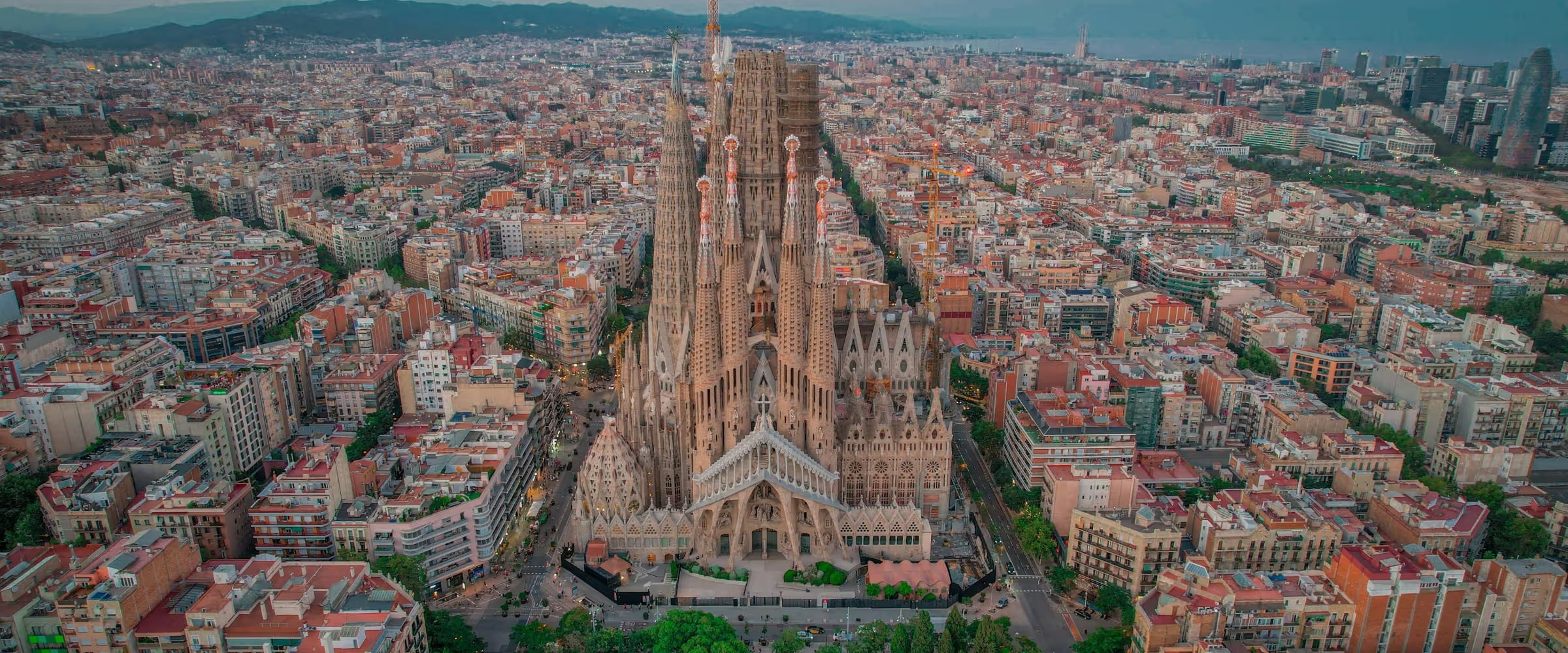
Understanding life in La Sagrada Familia
Why People Choose to Live Here
Living in La Sagrada Familia means waking up steps from one of the world’s most extraordinary architectural works, yet returning home to a neighborhood that feels structured and livable. You are central without being overwhelmed. Streets are wide. Sidewalks are generous. Daily life runs smoothly. Professionals choose it for fast metro access. Families value the calm rhythm and practical layout. International residents appreciate the balance: iconic surroundings, but a residential atmosphere grounded in routine and reliability.
History and Architectural Character of La Sagrada Familia
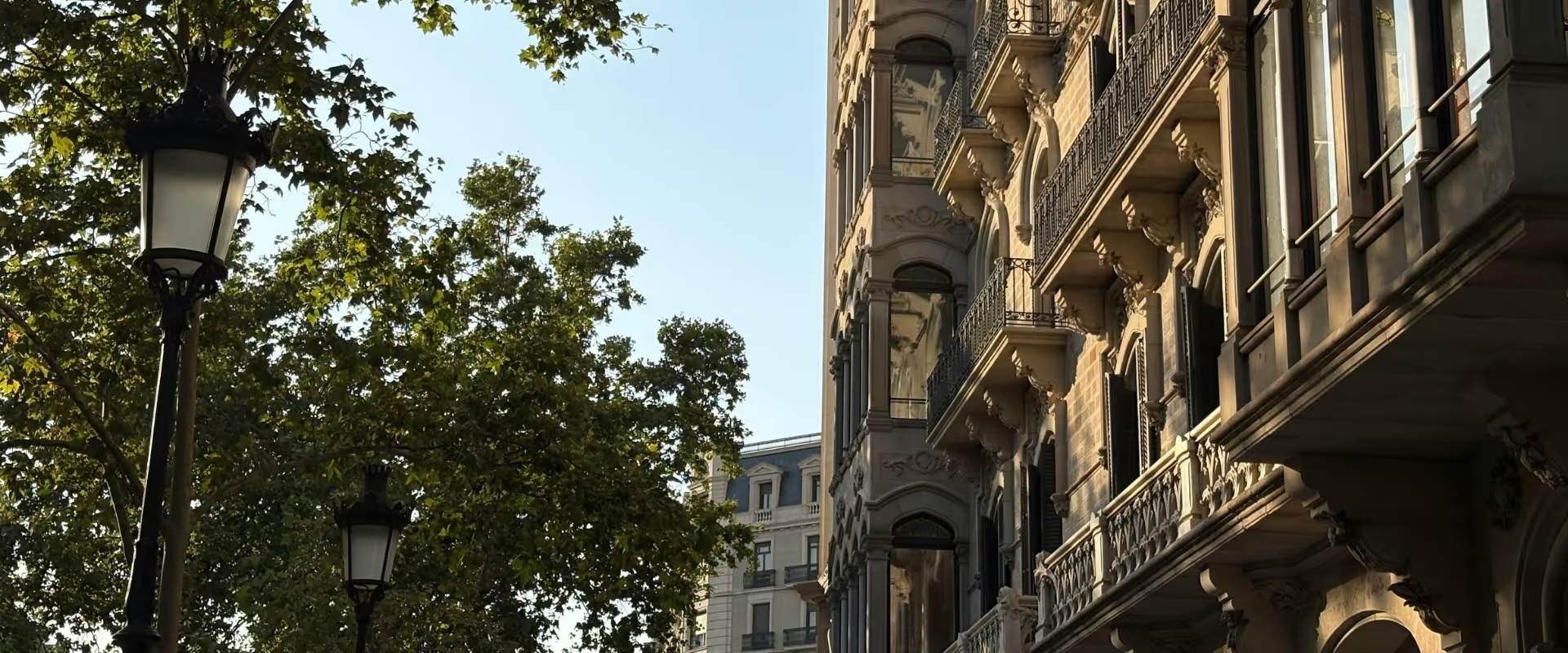
The neighborhood was shaped by Barcelona’s 19th-century Eixample expansion, designed as a rational grid built for light and ventilation. At its center rises the monumental Sagrada Família, Antoni Gaudí’s evolving masterpiece. Around it, classic Eixample buildings define the streetscape with symmetrical façades, balconies, and chamfered corners. Avinguda de Gaudí creates a pedestrian axis linking the basilica to Hospital de Sant Pau. The result is architectural coherence paired with artistic intensity.

Daily Life in La Sagrada Familia
Shopping and Local Services
Daily errands unfold within a few blocks. Independent bakeries, greengrocers, pharmacies, and convenience stores line the streets. At Mercat de la Sagrada Família, residents shop for fresh fish, meat, and seasonal produce in a familiar setting. Small gyms, repair shops, and cafés integrate naturally into the urban grid. There is no dependency on large shopping centers. The neighborhood supports self-sufficient daily living, where most needs are resolved on foot within minutes.
Education and Family Life
La Sagrada Familia supports long-term living. Public and semi-private schools operate within the district, alongside nurseries and language academies. Sidewalks are wide and crossings visible, easing school routines. Playgrounds in local squares offer safe, accessible outdoor space. Families relocating for professional reasons often settle here for its equilibrium: central location, predictable pace, and proximity to both educational infrastructure and public transport.
Health and Medical Services
Healthcare access is direct and dependable. Local CAP primary care centers serve residents, and private clinics operate throughout the Eixample. Pharmacies are evenly distributed and often maintain extended hours. Hospital de Sant Pau provides full hospital services within walking distance. Additional specialized hospitals across the city are reachable quickly by metro. Managing healthcare here does not require complex logistics.
Transportation and Connectivity
Connectivity defines the neighborhood’s strength. The Sagrada Família metro station serves L2 and L5 lines, while nearby stations connect to L4, giving access to three metro lines within the immediate area. Multiple bus routes cross the district, and cycling lanes integrate into Barcelona’s citywide network. Plaça Catalunya is reachable in under 15 minutes by metro. Business hubs, Diagonal, and the coast remain accessible. Street parking exists but can be competitive; underground garages are common in residential buildings.
Leisure, Culture, and Social Life
Parks and Green Spaces
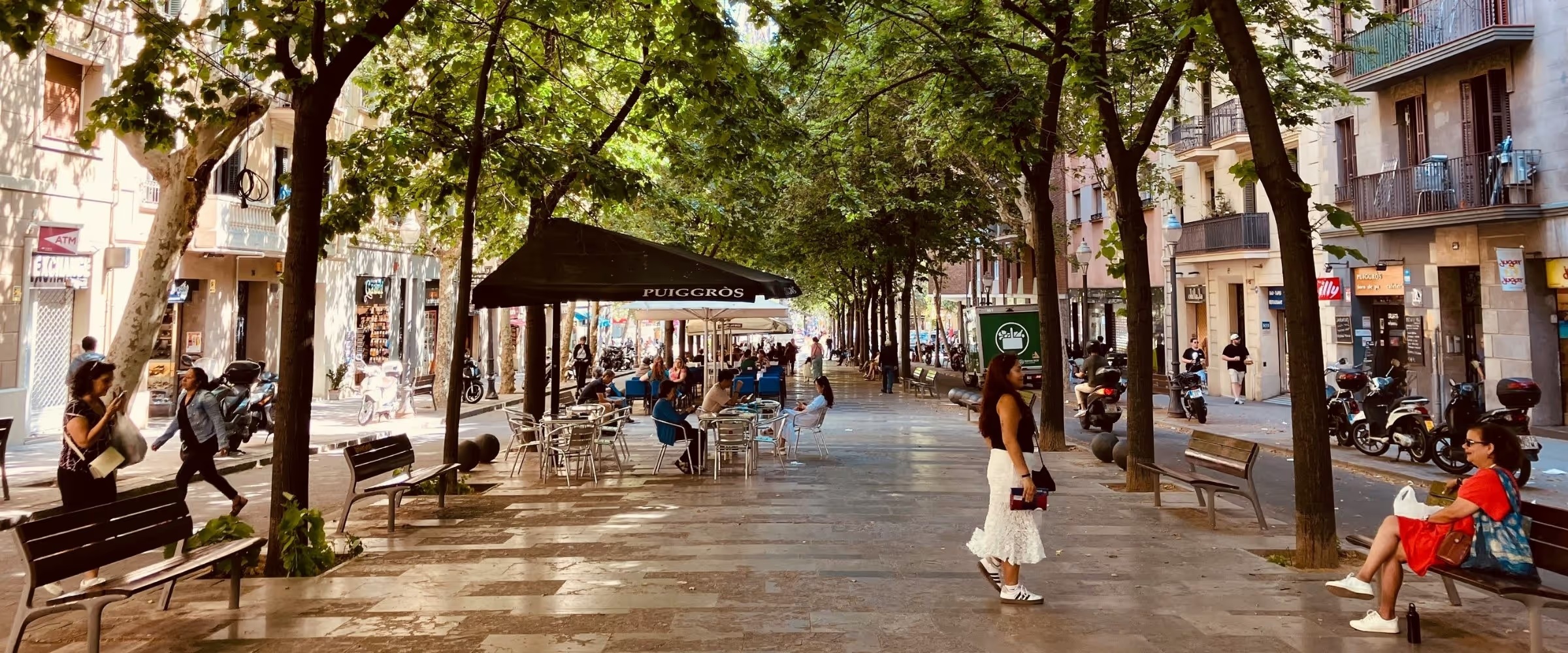
Green spaces are intimate and integrated into daily movement. Plaça de la Sagrada Família and Plaça de Gaudí frame the basilica with shaded benches and playgrounds. Avinguda de Gaudí functions as a tree-lined promenade ideal for walking or sitting outdoors. While the neighborhood lacks large-scale parks, it offers consistent access to open-air space within a structured urban environment.
Restaurants, Cafés, and Nightlife
Evenings feel active but composed. Dining dominates social life more than nightlife. La Paradeta Sagrada Família draws locals for fresh seafood. BelleBuon delivers informal Italian dining. Los Bellota focuses on Andalusian flavors. Chill Bar Barcelona offers relaxed drinks. El Pocavergonya maintains traditional Catalan plates. The atmosphere remains generally safe and residential.
Culture and Local Events
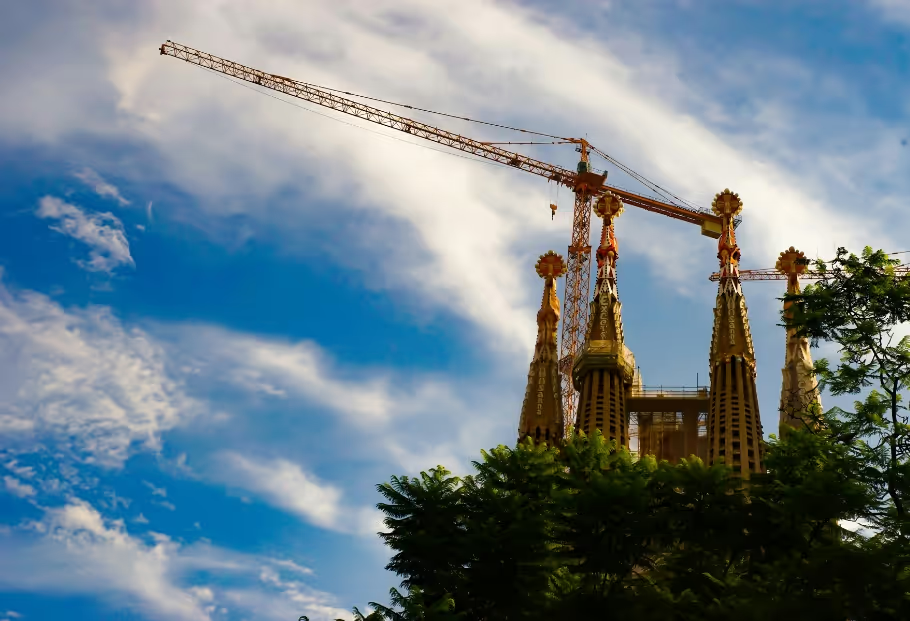
Cultural life radiates from the basilica yet remains rooted in neighborhood institutions. Community centers host workshops and exhibitions. Seasonal festivities follow Barcelona’s district calendar, reinforcing local identity. Architectural heritage remains the dominant cultural presence, with daily life unfolding beneath one of Europe’s most ambitious modernist projects. The neighborhood blends global recognition with a steady local rhythm.

Ready to make this neighborhood home? Explore our fully furnished apartments, designed for living, not just staying, and move in with nothing but your suitcase.

Unique and varied interior designs to match your style
Our friendly team is here to help. And if you prefer write us to hello@ukio.com
MESSAGE US ON WHATSAPP
LET US KNOW YOUR PREFERENCES