Barcelona
.jpg)
Understanding life in Pedralbes
Why people choose to live here
Pedralbes sits at the top of Barcelona, and it feels like it. Wide, tree-lined avenues, private gardens, and low building density set it apart from the denser grid of the Eixample or the narrow lanes of the old town. The pace here is quiet, the streets are safe at any hour, and neighbours tend to know each other by name. Diplomats, senior executives, university staff connected to the nearby campus, and families seeking privacy and green space typically settle here. It suits people who want distance from the tourist crowds without losing quick access to the rest of the city.
History and architectural character of Pedralbes
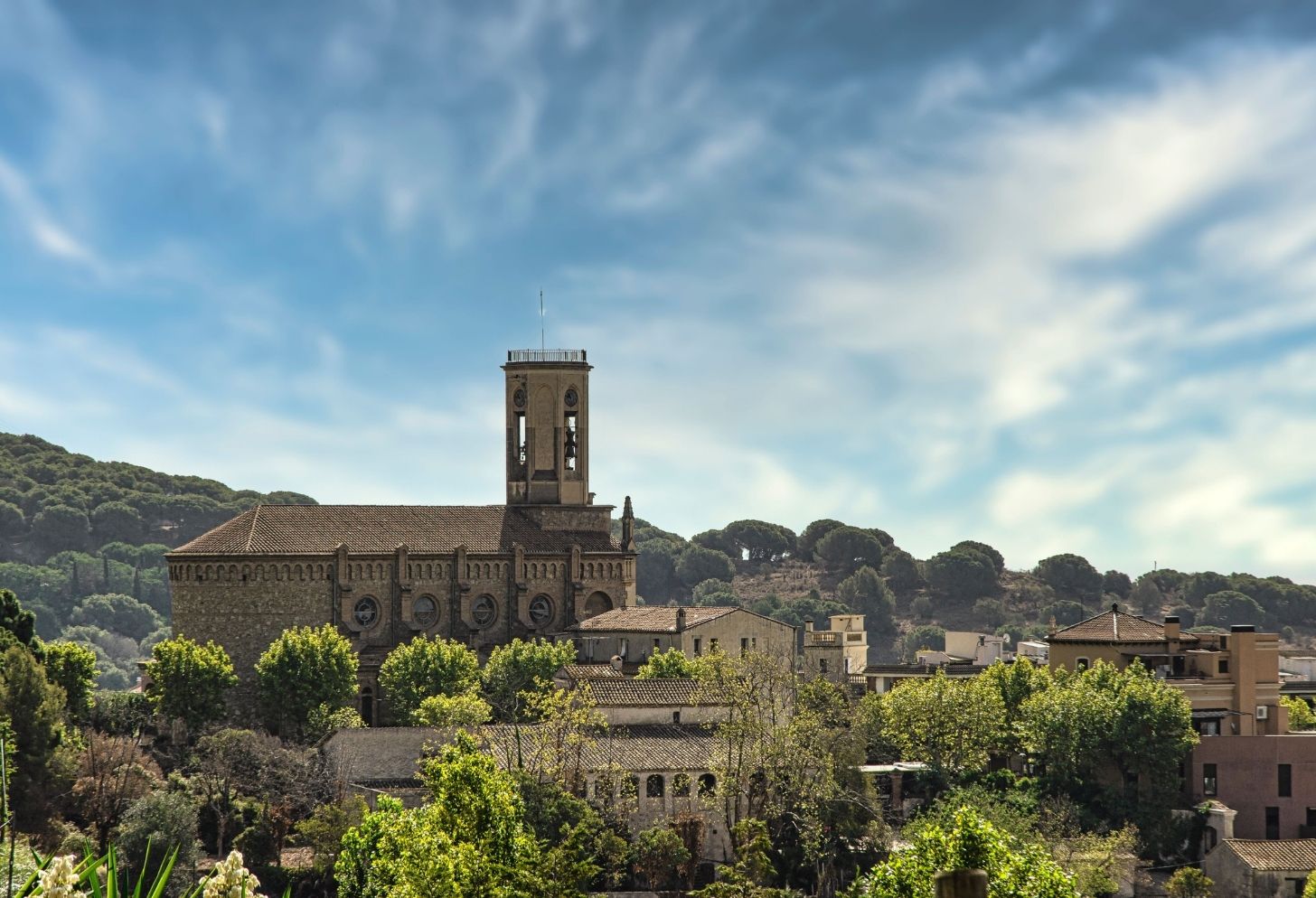
Pedralbes takes its name from the 14th century Monastery of Santa Maria de Pedralbes, founded in 1326, which still anchors the neighbourhood's identity. For centuries the area remained rural, tied to the town of Sarrià, before large scale urbanisation reshaped it from the 1940s onward into Barcelona's most exclusive residential district. Streets such as Avinguda de Pedralbes and Avinguda de Pearson are lined with private mansions set behind gardens, alongside more recent low-rise apartment buildings. Unlike the Eixample's grid, Pedralbes follows an irregular layout that traces the natural slope of the hillside.
Daily life in Pedralbes
Shopping and local services
Daily shopping in Pedralbes runs through small, well-kept stores rather than large retail strips. Residents rely on neighbourhood grocers, bakeries, and specialist shops along Avinguda de Pedralbes and around Plaça Pius XII, along with supermarket chains such as Condis and Mercadona for regular provisions. Pharmacies are spread through the residential streets within easy walking distance of most homes. The overall feel favours convenience and discretion over volume, with fewer chain stores than in central districts and a stronger presence of independent, service-oriented businesses catering to residents rather than visitors.
Education and family life
Pedralbes is one of Barcelona's strongest areas for schooling, hosting institutions such as Aula Escola Europea, Kensington School, and the Lycée Français de Barcelone, alongside nearby options including St Paul's School and the American School of Barcelona. Public and concertada schools also serve the district. Combined with quiet residential streets, gated gardens, and low traffic, the area suits families planning a long-term stay who want continuity of schooling, whether in international, bilingual, or Catalan-language programs, without leaving the neighbourhood for daily routines.
Health and medical services
Healthcare access in Pedralbes benefits from proximity to some of Barcelona's leading facilities. Hospital Sant Joan de Déu, a reference paediatric hospital, and Hospital de Barcelona sit just outside the neighbourhood's edge in Sarrià-Sant Gervasi, both reachable within minutes. Local medical centers and private clinics cover everyday consultations, and pharmacies are distributed along the main residential avenues. Most residents combine Spain's public health system with private insurance, a common approach among expats and professionals who value shorter waiting times and English-speaking staff at private clinics nearby.
Transportation and connectivity
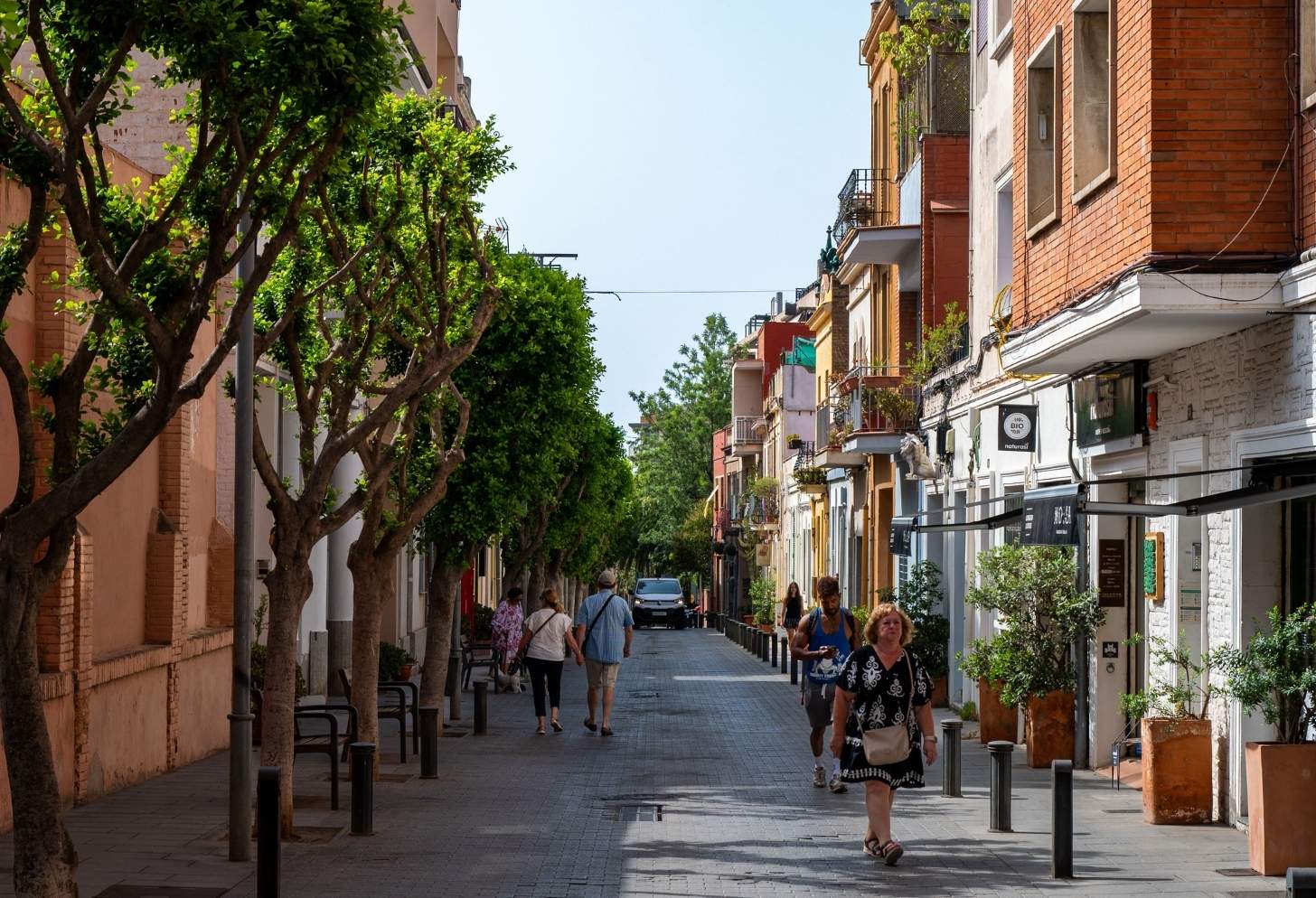
Metro line L3 (the green line) serves Pedralbes directly, with Palau Reial and Zona Universitària stations both within the neighbourhood, giving residents a direct run into the city center in under 20 minutes. Tram lines T1, T2, and T3 also stop at Palau Reial, connecting toward Sant Cugat and other Diagonal-area districts. Several bus routes cross the neighbourhood along Avinguda Diagonal and Avinguda de Pedralbes. Streets are walkable and quiet, and while on-street parking is limited given the residential density, most buildings include private parking.
Leisure, culture, and social life
Parks and green spaces
Parc de Cervantes, known for its rose gardens, sits within Pedralbes itself and offers a calm, everyday green space for walks and casual sport. The Gardens of the Royal Palace of Pedralbes, adjacent to the Palau Reial metro stop, provide a shaded retreat with fountains and open lawns. Just beyond the neighbourhood's edge, the larger Parc de l'Oreneta extends into the Collserola hillside, offering forest trails and playgrounds popular with families on weekends, making the area unusually green for a district this close to the city center.
Restaurants, cafés, and nightlife
Evenings in Pedralbes are calm rather than lively, with dining favoured over bar-hopping or nightlife. Chandigarh Café serves Mediterranean dishes with French touches in a converted 1950s house with garden seating. Aspic and Dos Torres occupy renovated modernist-era properties typical of the neighbourhood, while Tritón is a long-standing choice for seafood and sushi. For a special occasion, Via Veneto, a Michelin-starred institution just across the neighbourhood boundary, remains a local reference point. The overall atmosphere stays discreet and family-friendly after dark.
Culture and local events
The Monastery of Pedralbes functions as both historic landmark and active cultural venue, hosting temporary exhibitions within its Gothic cloister. The nearby Royal Palace hosts the Museum of Decorative Arts and periodic concerts in its gardens. Cultural life in Pedralbes tends toward these institutional spaces rather than street markets o
Ready to make this neighborhood home? Explore our fully furnished apartments, designed for living, not just staying, and move in with nothing but your suitcase.

Unique and varied interior designs to match your style
Our friendly team is here to help. And if you prefer write us to hello@ukio.com
MESSAGE US ON WHATSAPP
LET US KNOW YOUR PREFERENCES
.jpg)