Barcelona
Understanding life in Vila de Gràcia
Why people choose to live here
Vila de Gràcia feels intentional. Streets are narrower, slower, and shaped around conversation rather than traffic. Your daily rhythm unfolds between bakeries, corner cafés, and sunlit plazas where neighbors recognize each other. Young professionals value the proximity to central Barcelona without the intensity of tourist-heavy zones. Families appreciate the safety and human scale. International residents choose it for its authenticity. Compared to larger, grid-based districts, Gràcia offers texture—an atmosphere where community life still anchors urban living.
History and Architectural Character of Vila de Gràcia
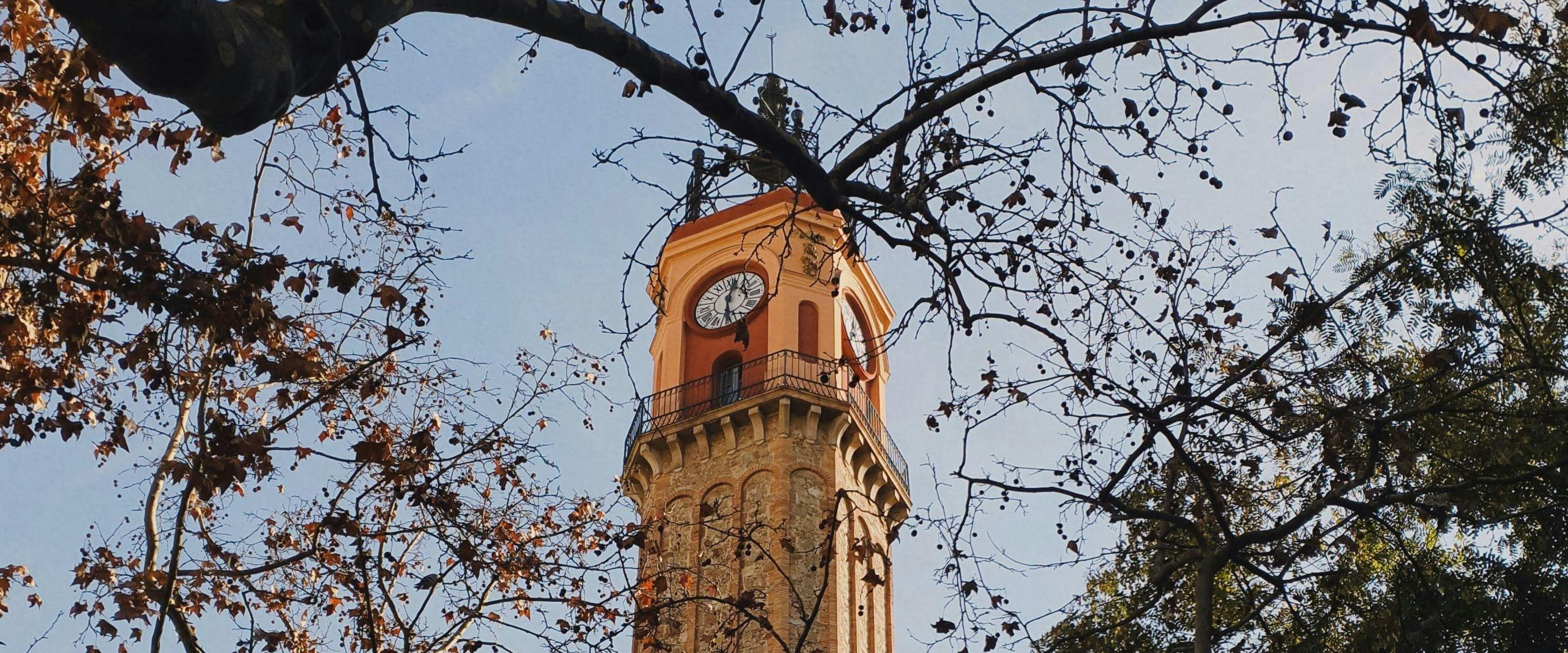
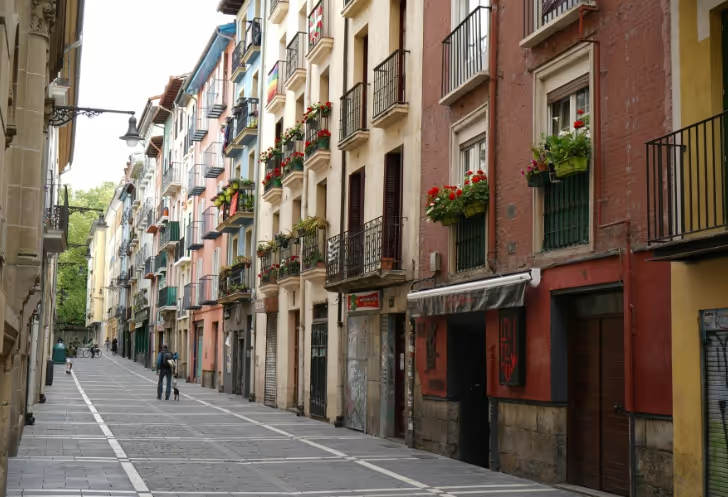
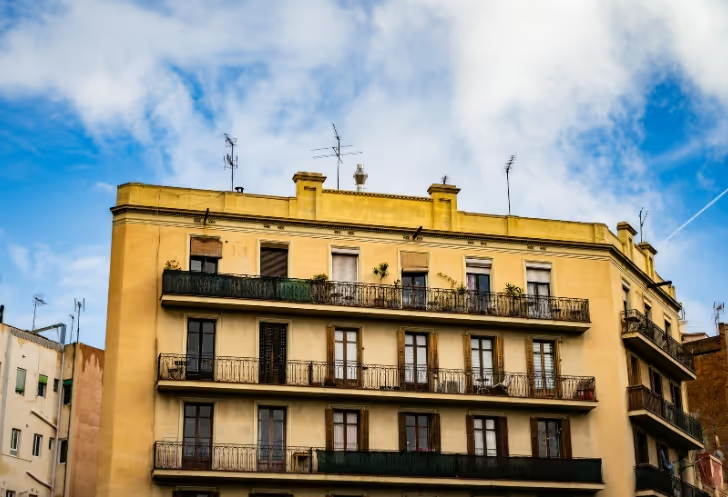
Before becoming part of Barcelona in 1897, Gràcia was an independent town. That origin still defines its structure today. The layout resists uniformity; streets bend organically into small squares that act as shared living rooms. Buildings are typically low-rise, with wrought-iron balconies and pastel façades that catch the afternoon light. The clock tower in Plaça de la Vila remains a symbolic landmark. On the upper edge, Park Güell connects the neighborhood to one of the city’s most distinctive green spaces.
Daily Life in Vila de Gràcia
Shopping and Local Services
Life here is built on proximity. At Mercat de la Llibertat, residents shop for fresh produce beneath a restored modernist structure. Independent grocers, specialty food stores, organic shops, and bakeries line Carrer Verdi and Carrer Astúries. Pharmacies and health shops are never far. You can handle most errands on foot within minutes. Large retail chains exist nearby along Gran de Gràcia, but the neighborhood favors small businesses that reinforce its distinct character.
Education and Family Life
Families are drawn to Vila de Gràcia for its manageable scale and everyday convenience. Public and private schools operate within and around the district, along with nurseries and extracurricular centers. Playgrounds integrated into plazas allow children to play while adults remain close. Distances between home, school, and after-school activities are short, simplifying routines. For families considering a longer stay in Barcelona, Gràcia offers a balance: central location, strong community ties, and a residential environment that feels grounded.
Health and Medical Services
Healthcare access is straightforward. CAP Vila de Gràcia provides local primary care services, while pharmacies are distributed throughout the area with extended opening hours. For specialized treatment or hospital care, Hospital de Sant Pau is easily reachable by metro or taxi. Most routine needs are addressed within walking distance, ensuring residents manage healthcare efficiently without leaving the neighborhood for everyday concerns.
Transportation and Connectivity
Vila de Gràcia connects seamlessly to the rest of the city. Metro Line L3 (Green Line) serves the neighborhood via Fontana station, while Diagonal station (L3 and L5) sits along its southern boundary. The Ferrocarrils de la Generalitat de Catalunya line stops at Gràcia station, linking directly to Plaça Catalunya and surrounding areas. Multiple bus routes run along Gran de Gràcia and Travessera de Dalt. Cycling is practical, though parking is limited and primarily regulated for residents.
Leisure, Culture, and Social Life
Parks and Green Spaces
Green space in Gràcia is woven into its plazas. Plaça del Sol and Plaça de la Virreina become daily meeting points where life unfolds outdoors. Smaller gardens such as Jardins del Mestre Balcells offer quieter retreats. For broader views and longer walks, Park Güell rises just above the district. Outdoor living is not an occasional activity here as it is embedded in routine, especially during Barcelona’s mild seasons.
Restaurants, Cafés, and Nightlife
Evenings feel lively without becoming overwhelming. Terraces fill gradually, conversations spill into plazas, and the atmosphere remains local rather than touristic. Residents frequent places such as Sol Soler, La Pepita, Café del Sol, Gasterea, and Bodega Quimet. Carrer Verdi concentrates much of the activity, yet the tone remains residential. Nightlife exists, but it is balanced. You can enjoy a social evening and still return home to relative calm.
Culture and Local Events
Cultural expression runs deep in Vila de Gràcia. Independent venues like Cinema Verdi screen films in original language. Civic centers host workshops, exhibitions, and neighborhood initiatives. The Festa Major de Gràcia in August transforms streets with elaborate handmade decorations, reinforcing collective identity. Events are created by residents, not staged for visitors. Living here means participating in a district that actively shapes its own cultural life.
Ready to make this neighborhood home? Explore our fully furnished apartments, designed for living, not just staying, and move in with nothing but your suitcase.

Unique and varied interior designs to match your style
Our friendly team is here to help. And if you prefer write us to hello@ukio.com
MESSAGE US ON WHATSAPP
LET US KNOW YOUR PREFERENCES