Lisbon

Understanding life in Alameda - Praça do Chile - Almirante Reis
Why people choose to live here
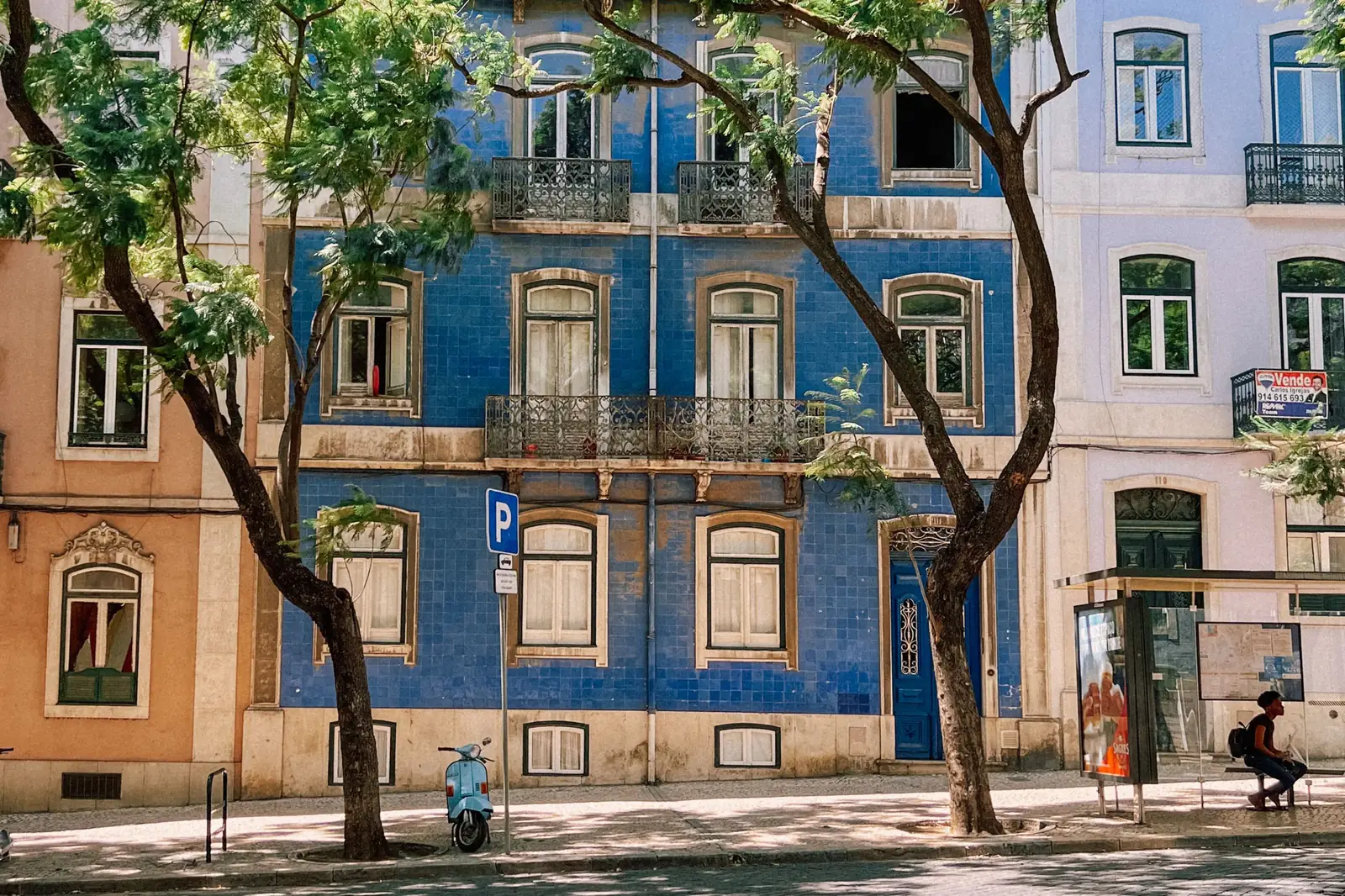
This neighbourhood follows the northern stretch of the Avenida Almirante Reis, from the Praça do Chile up to the edge of the Alameda Dom Afonso Henriques. It corresponds roughly to the historic parish of São Jorge de Arroios, now part of the wider Arroios parish. Solid early 20th century apartment blocks, busy cafés and small shops line the streets, and the area is one of the most international in Lisbon. People choose it for its central location, its three metro stations within walking distance, its lively market and rents that remain more accessible than in the historic centre.
History and architectural character of Alameda - Praça do Chile - Almirante Reis
The Avenida Almirante Reis was laid out in the early 20th century as the Avenida dos Anjos, named after Queen Amélia from 1903 and renamed after the 1910 Republic. Its roundabout became the Praça do Chile in 1928, in homage to Chile. In 1950 a bronze statue of the navigator Fernão de Magalhães, a gift from the Chilean government, replaced a statue of Neptune that now stands on the Largo de Dona Estefânia. The Mercado de Arroios, designed by Luís Benavente, opened in 1942, and the Fonte Luminosa on the Alameda followed in 1948.
Daily life in Alameda - Praça do Chile - Almirante Reis
Shopping and local services
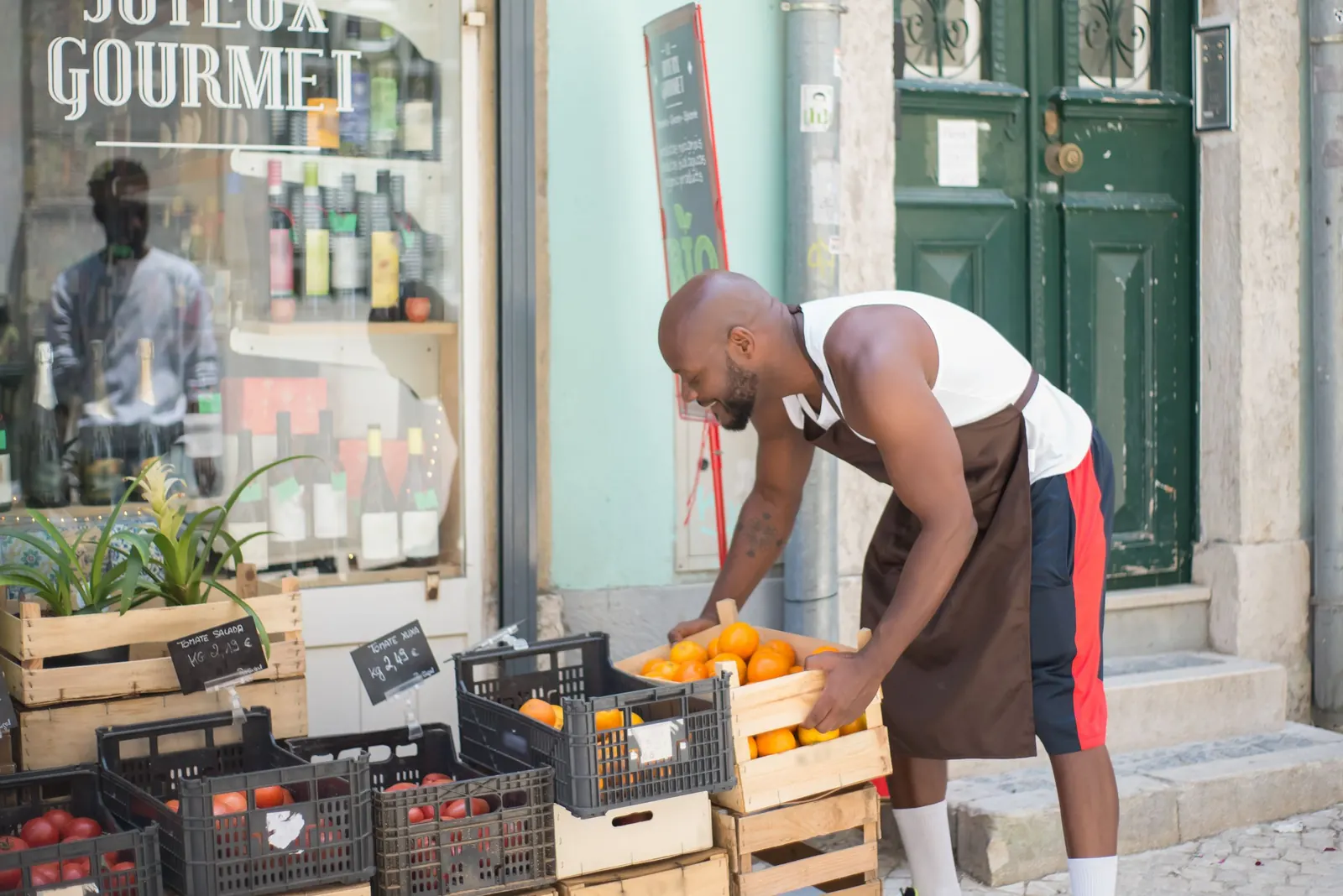
The Mercado de Arroios, on the Rua Ângela Pinto between the Praça do Chile and the Alameda, is the place for daily shopping. Inaugurated in 1942 and renovated in 2015, it sells fresh fish, salt cod, meat, fruit, vegetables, bread and flowers, and also hosts a record shop and food stalls with dishes from around the world. Supermarkets, bakeries, pharmacies and phone shops line the Avenida Almirante Reis, and the Rua Morais Soares, which starts at the Praça do Chile, is a busy shopping street. The Junta de Freguesia de Arroios handles local services.
Education and family life
The Escola Secundária de Camões, on the Praça José Fontana, is one of Lisbon's best known public secondary schools. Founded as the Liceu de Camões, it moved into its building by the architect Miguel Ventura Terra in 1909. Younger children can attend the public Escola Básica O Leão de Arroios, while private options include the Externato Passos Manuel and the Colégio Sá de Miranda. The Instituto Superior Técnico, Portugal's leading engineering school, has its campus just across the Alameda. International schools in other parts of Lisbon are reachable by metro or car.
Health and medical services
The Hospital Dona Estefânia, on the Rua Jacinta Marto at the southern edge of the area, is Lisbon's main children's hospital and part of the ULS São José, which also runs the general emergency department of the Hospital de São José, a short ride south. Primary care is provided by the national health service through local health centres, where residents register with a family doctor. The SNS 24 helpline gives medical advice by phone before any visit. Pharmacies are found every few blocks along the avenue, and many foreign residents also take out private health insurance.
Transportation and connectivity
Getting around is simple. Arroios station, on the Praça do Chile, is on the green metro line and reopened in September 2021 after works to enlarge it. Alameda, at the northern end, is an interchange between the green and red lines, with the red line running directly to Lisbon Airport. Anjos station is a short walk south, and the green line continues to Martim Moniz, the Baixa and Cais do Sodré. Many Carris buses run along the Avenida Almirante Reis, and the flat avenue is also well suited to bikes and electric scooters.
Leisure, culture, and social life
Parks and green spaces
The Jardim Constantino, opened in 1886, is a quiet square garden with tall trees, benches, a playground and a stone statue of Prometheus by Francisco dos Santos, placed there in 1925. It takes its name from Constantino, a famous maker of artificial flowers known as the king of florists. Just beyond the northern edge, the Alameda Dom Afonso Henriques offers wide lawns that slope up to the Fonte Luminosa, a favourite spot for picnics, jogging and summer gatherings. The Jardim do Arco do Cego, with its café and play areas, is a short walk further north.
Restaurants, cafés, and nightlife
Eating out here is varied and good value. The food stalls of the Mercado de Arroios serve dishes from several continents, and the streets around the Praça do Chile and the Rua de Arroios are full of small Portuguese tascas, cafés and pastelarias serving coffee, sandwiches and daily lunch menus. The area's international population is reflected in Indian, Nepalese, Chinese, Brazilian and Middle Eastern restaurants along the avenue. Students from Técnico keep the bars around the Alameda busy, and the beer halls and late night spots of Anjos and Intendente are a few minutes away.
Culture and local events
Community life gathers around the Mercado de Arroios, which hosts cultural events such as the independent book fair of the Arroios parish and Analógica, a fair dedicated to analogue culture. The Igreja de São Jorge de Arroios, on the Rua Alves Torgo, is the historic parish church of the area. On the Alameda, the Fonte Luminosa is illuminated at night and the lawns become a meeting point on warm evenings. In June, Lisbon's popular saints festivities bring street parties to the parish, and theatres, cinemas and museums in the city centre are a few metro stops away.

Ready to make this neighborhood home? Explore our fully furnished apartments, designed for living, not just staying, and move in with nothing but your suitcase.

Unique and varied interior designs to match your style
Our friendly team is here to help. And if you prefer write us to hello@ukio.com
MESSAGE US ON WHATSAPP
LET US KNOW YOUR PREFERENCES