Lisbon

Understanding life in Campo de Santana
Why people choose to live here
Campo de Santana sits on a hilltop between Avenida da Liberdade and Avenida Almirante Reis, giving residents a central address without the tourist density of Baixa or Chiado. The neighbourhood centers on a large garden that acts as a meeting point for longtime residents and newcomers alike. Streets on one side are narrow and steep, home to an older, deeply rooted population; the other side, closer to Estefânia, has straighter avenues lined with grand townhouses and a younger, more international crowd. This mix of quiet residential character and walkable convenience appeals to professionals and expats who want to be close to the center without living in it.
History and architectural character of Campo de Santana
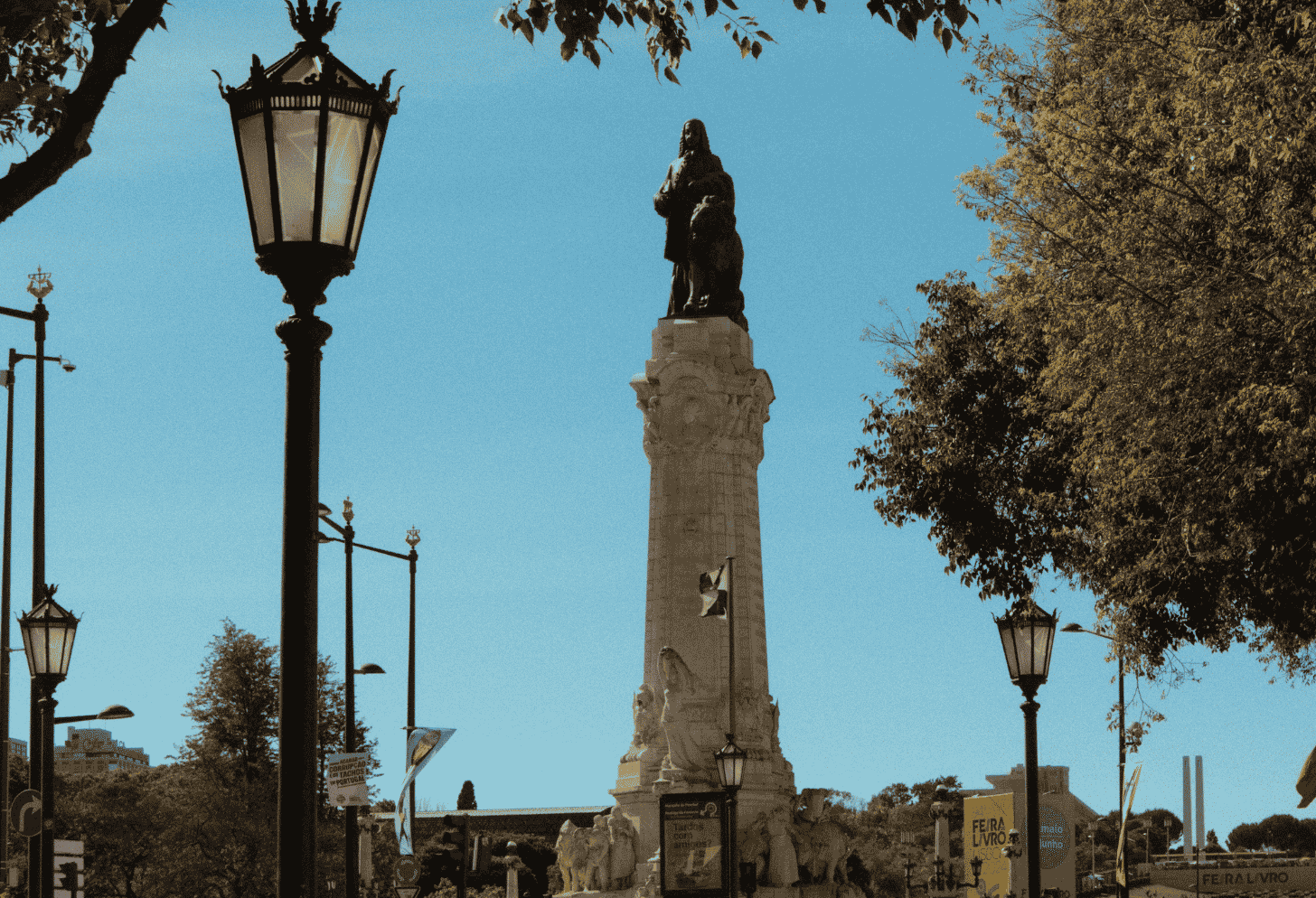
The area takes its name from a convent that stood here from the 13th century until the 1755 earthquake. Its central square, once a cattle market, bullring, and flea market site, became a garden in the 19th century and now anchors the neighbourhood. Because the hill escaped major earthquake damage, it retains a dense concentration of 18th and 19th century buildings, including former aristocratic townhouses on its eastern side. The area is also known locally as the "Colina da Saúde," a reference to the cluster of historic hospital buildings built into former convents on its slopes.
Daily life in Campo de Santana
Shopping and local services
For everyday shopping, residents rely on Mercado de Arroios on Rua Ângela Pinto, a municipal market occupying a ground floor and basement between Praça do Chile and Alameda Dom Afonso Henriques, renovated in 2015 and recognized as a building of cultural interest. The market gained new shops and a monthly program of events after its renovation, alongside its usual fresh produce stalls. Beyond the market, the surrounding streets hold independent bakeries, small grocers, and pharmacies, keeping daily errands within a short walk for most addresses in the neighbourhood.
Education and family life
The area falls within the Freguesia de Arroios, which directly oversees two school groupings, Agrupamento de Escolas Nuno Gonçalves and Agrupamento de Escolas Luís de Camões, plus the standalone Escola Secundária de Camões, alongside numerous private nurseries, kindergartens, and colleges in the same area. Municipal nurseries such as the Casa de Infância de Santana serve younger children close by. The parish's strong linguistic and cultural diversity, with roughly 80 nationalities represented, makes it a comfortable setting for international families settling in for the medium or long term.
Health and medical services
Few neighbourhoods in Lisbon offer this level of access to healthcare. The hill is ringed by the Hospitais dos Capuchos, de Santa Marta, de São José, and Dona Estefânia, along with the Faculty of Medical Sciences of Universidade Nova de Lisboa, all part of the city's central public hospital network. This concentration of hospitals, several of them converted from former convents, gives residents rapid access to emergency and specialist care without needing to travel across the city. Local pharmacies fill in for everyday health needs and prescriptions.
Transportation and connectivity
The neighbourhood is bordered by two Green Line metro stations: Arroios, reopened in 2021 with four accesses and full accessibility after its remodeling, and Anjos, which opened in 1966 and sits between Arroios and Intendente on the Green Line, on Avenida Almirante Reis. This gives residents a two minute walk to a metro connection in most parts of the neighbourhood, with direct access to Baixa, Marquês de Pombal, and the wider network. Multiple bus routes run along Almirante Reis and Liberdade, and the compact street layout makes most daily destinations walkable. Street parking exists but is limited and largely resident permit controlled, as in most central Lisbon parishes.
Leisure, culture, and social life
Parks and green spaces
The garden of Campo de Santana covers around 2.6 hectares, with its southern half occupied by the Jardim Braancamp Freire and an open air sports field in the northern half. The whole garden follows an organic layout with mature, imposing trees, including a Himalayan cedar known locally as the Árvore dos Namorados. It functions as the neighbourhood's main outdoor space for walking, resting on a bench, or letting children play, rather than a destination park for the wider city.
Restaurants, cafés, and nightlife
Evenings here stay low key rather than loud, centered on small tables and neighbourhood regulars rather than nightlife crowds. Rua de Santa Marta is a focal point for dining, home to Taberna Santa Marta, a combined flower shop, café, and restaurant serving Mediterranean tapas, Portuguese classics, and pizzas. Nearby options include Restaurante Duque, Luzzo, and Honorato, covering everything from traditional Portuguese plates to casual burgers. The atmosphere is generally safe for evening walks, with steady foot traffic around the garden and main streets.
Culture and local events
Mercado de Arroios doubles as a small cultural venue, hosting the Festa do Livro Independente da Freguesia de Arroios and the Analógica event. The wider Arroios parish, known for its cultural mix, regularly organizes community gatherings and markets that spill into the neighbourhood's streets and squares. For a fuller calendar, residents can check listings from the Junta de Freguesia de Arroios.

Ready to make this neighborhood home? Explore our fully furnished apartments, designed for living, not just staying, and move in with nothing but your suitcase.

Unique and varied interior designs to match your style
Our friendly team is here to help. And if you prefer write us to hello@ukio.com
MESSAGE US ON WHATSAPP
LET US KNOW YOUR PREFERENCES
.jpg)
.jpg)