Lisbon
Understanding life in Praça de Espanha - Sete Rios
Why people choose to live here
This part of Lisbon sits at the meeting point of Campolide, Avenidas Novas, and São Domingos de Benfica, giving you a central address without the density of downtown neighborhoods. You get quick metro access to Baixa and Marquês de Pombal, along with a large green park at your doorstep. The area attracts professionals working near the business corridor around Avenida José Malhoa, families drawn to the proximity of the Gulbenkian and the Lisbon Zoo, and expats who want a residential feel without leaving the city center. Streets here are calmer than the historic core, and daily errands stay within a short walk.
History and architectural character
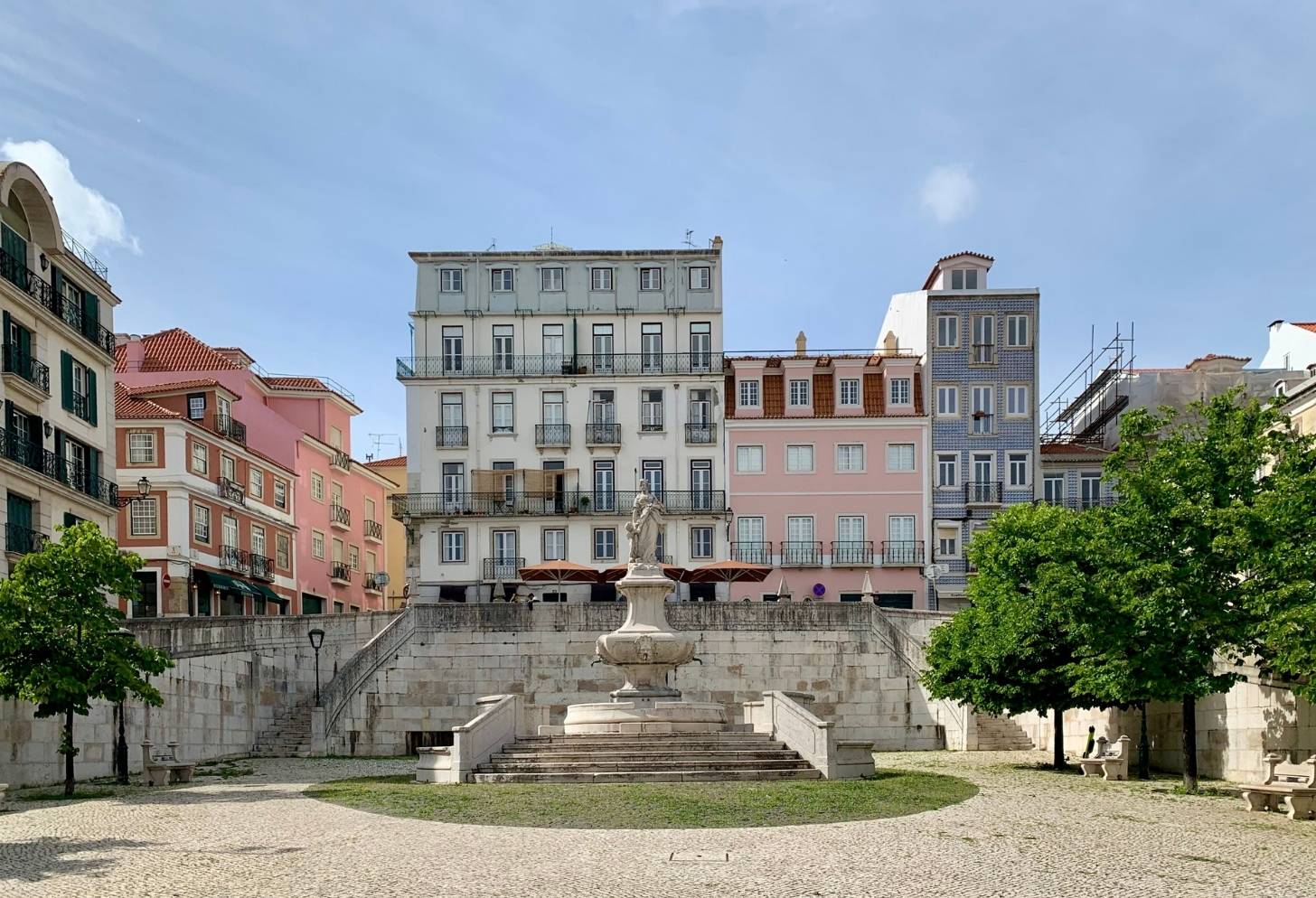
The area developed around the old Palhavã estate and the workers' district known as Bairro Grandella, built in the early twentieth century to house employees of the Grandella department stores. The neighborhood was classified as a Property of Public Interest in 1984, preserved as a kind of time capsule amid São Domingos de Benfica. Praça de Espanha itself functioned for decades as a traffic hub before its 2021 transformation into parkland. Today you will find a mix of mid-century apartment blocks, the neoclassical facades of Bairro Grandella, and newer developments near Avenida Columbano Bordalo Pinheiro, reflecting the area's shift from an industrial edge of the city to a residential and cultural district.

Daily life in Praça de Espanha - Sete Rios
Shopping and local services
For daily errands, you have small bakeries, pharmacies, and grocery stores scattered around Rua Basílio Teles, Rua de Campolide, and the streets bordering Bairro Azul. El Corte Inglés, a short walk toward São Sebastião, covers a supermarket, pharmacy, and general services if you need a larger stop. For routine shopping, most residents rely on neighborhood bakeries and pastelarias such as Pastelaria Real Café or Pastelaria Sá, along with independent grocers along Rua Marquês da Fronteira. Banking branches and post office services are also within easy reach on foot, keeping day to day logistics simple.
Education and family life
Families have several school options nearby, spanning public and private systems. The Lycée Français Charles Lepierre operates within Campolide for francophone or bilingual families, and the Escola Secundária Dom Pedro V sits a short walk from Praça de Espanha station, serving public school students. Younger children have access to nurseries and pre-schools such as Casa da Bela Flor and the Centro Social Paroquial Santo António de Campolide. The new park at Praça de Espanha includes playgrounds, making it a practical stop for parents after school. This mix of educational options makes the area workable for long-term family stays, particularly for households wanting international school access without leaving central Lisbon.
Health and medical services
Healthcare access here is strong by Lisbon standards. Praça de Espanha station sits close to the large Institute of Oncology Francisco Gentil, one of the country's leading specialist hospitals. For general practice, residents typically register with a local centro de saúde through the Serviço Nacional de Saúde, while private clinics and pharmacies are distributed along Avenida Columbano Bordalo Pinheiro and the streets around Campolide. Most day to day needs, from prescriptions to routine consultations, can be handled within a ten to fifteen minute walk, with the São Sebastião and Amoreiras areas offering additional private clinic options nearby.
Transportation and connectivity
Two metro stations on the Blue Line serve the area: Praça de Espanha and Jardim Zoológico, the latter previously named Sete Rios. The Blue Line runs 13.7 kilometers from Santa Apolónia to Reboleira, connecting you directly to Restauradores, Baixa-Chiado, and Marquês de Pombal without transfers. Sete Rios also functions as a major interchange, with a rail station on the Sintra Line and a bus terminal handling regional and intercity connections, including services toward Sesimbra and Setúbal. Carris buses cover local routes, and the area includes protected bike lanes and a bike sharing station within the park. On street parking exists but is limited during weekday hours, so many residents rely on the metro for commuting into the center.
Leisure, culture, and social life
Parks and green spaces
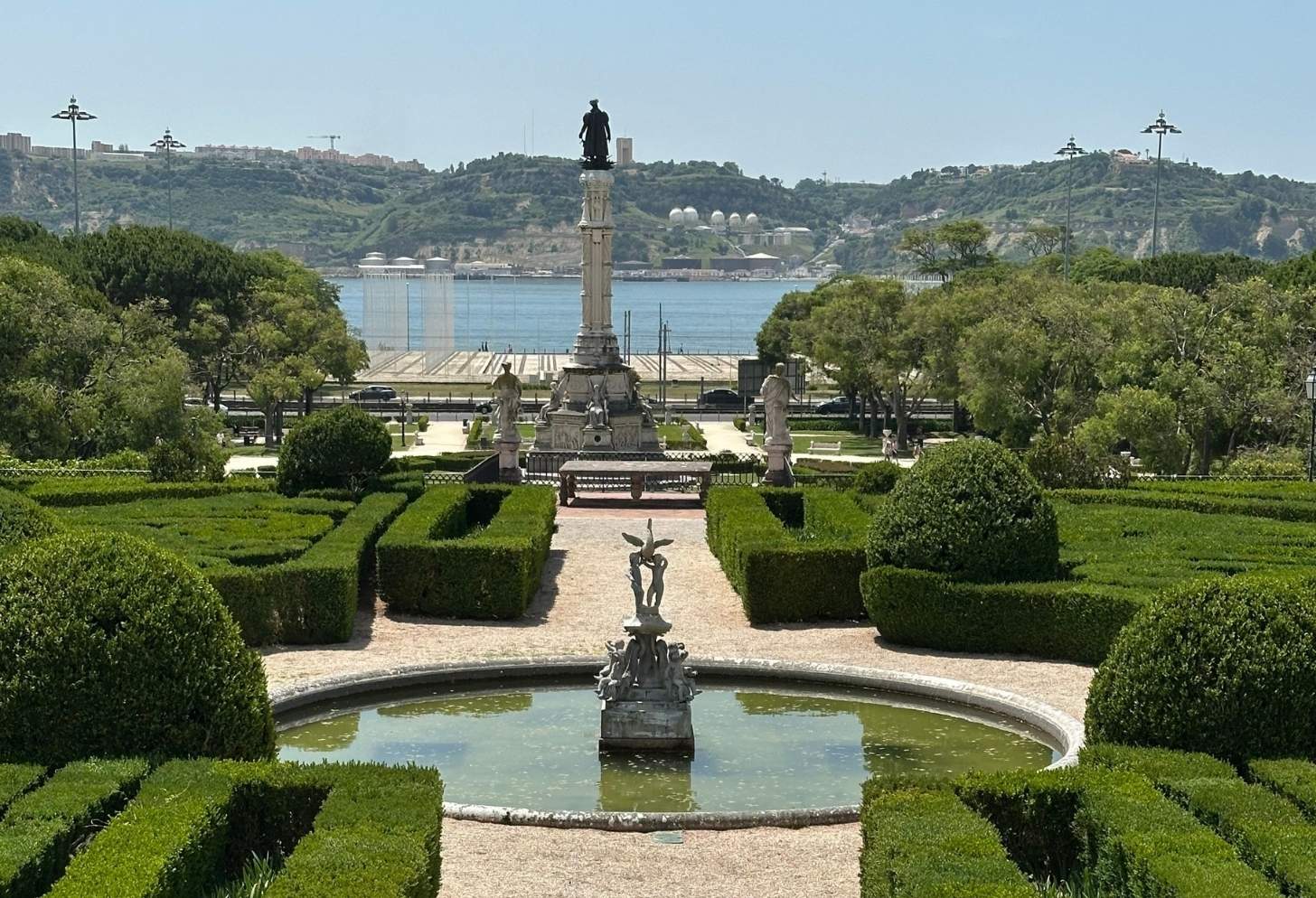
The Parque Gonçalo Ribeiro Telles occupies more than six hectares, linking the Gulbenkian gardens to the south with the Monsanto green corridor. The park was designed with ecological principles in mind, including natural drainage, native plant species, and a preference for pedestrians and cyclists over cars. It includes close to 800 trees across 25 species, walking paths, a cycle lane, bike sharing stations, and children's play areas. For a quieter option, the Jardim José Medeiros Ferreira and Jardim da Bela Flor offer smaller green pockets suited to short walks or reading outdoors, while the Gulbenkian gardens just beyond the park provide a more contemplative setting.
Restaurants, cafés, and nightlife
Evenings here are calm rather than loud, with most social life centered on dinner rather than late night bars. You will find traditional Portuguese cooking alongside more contemporary options. A Carvoaria serves grilled meat and Portuguese classics on Rua Basílio Teles. A Tasquinha do Lagarto, on Rua de Campolide, is a long standing local favorite for home style dishes. Restaurante Maizakura offers Japanese food near Avenida José Malhoa. BomBom Pâtisserie has become known for pastries and weekend brunch. Marisqueira O Paço serves seafood near the square itself, and several pastelarias, including Pastelaria Africana and Pastelaria Ponto Azul, function as everyday coffee stops. The area feels safe for evening walks, particularly around the illuminated park paths.
Culture and local events
The Calouste Gulbenkian Foundation stands as the largest cultural venue in Lisbon, created to promote the arts, science, and education. Its Centro de Arte Moderna holds one of the largest collections of modern and contemporary Portuguese artwork, and the foundation regularly hosts concerts, exhibitions, and public lectures. The Lisbon Zoo, a short walk from Jardim Zoológico station, remains one of the city's most visited attractions and sits within the same green corridor as the park. For a full calendar of exhibitions, concerts, and public programs, residents typically check the Gulbenkian's own listings or the Lisbon municipal cultural agenda published by Câmara Municipal de Lisboa.
Ready to make this neighborhood home? Explore our fully furnished apartments, designed for living, not just staying, and move in with nothing but your suitcase.

Unique and varied interior designs to match your style
Our friendly team is here to help. And if you prefer write us to hello@ukio.com
MESSAGE US ON WHATSAPP
LET US KNOW YOUR PREFERENCES