Madrid
Understanding life in Vallehermoso
Why people choose to live here
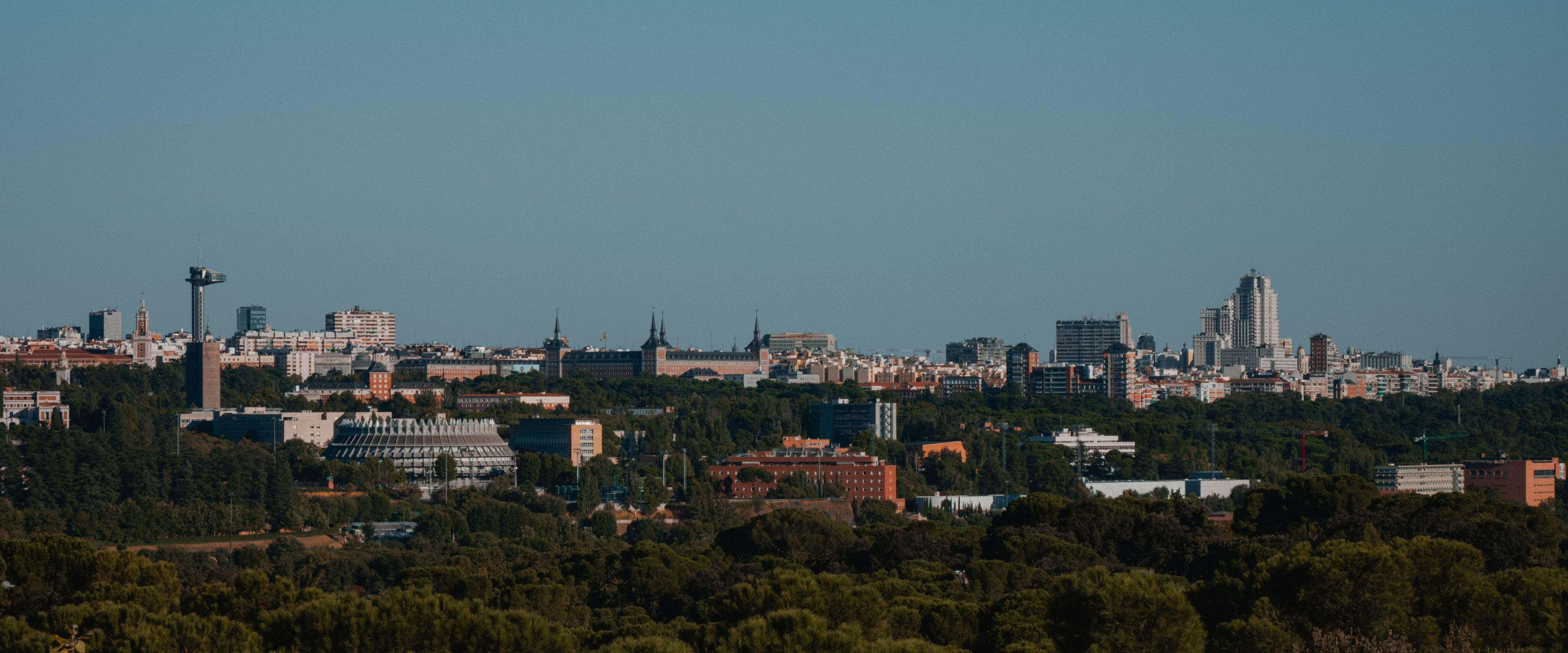
Vallehermoso sits in the northwest corner of Chamberí, pressed against Madrid's university district. That position gives it a calmer, more residential feel than the busier barrios to the south, while you stay minutes from the centre. Students and young professionals mix with long-settled families and older residents, so the streets feel lived-in rather than transient. Safety is high, pavements are wide, and almost everything you need sits within a short walk. People choose it for a rare combination: central Madrid access, real neighbourhood life, and roughly a third of the area given over to green space.
History and Architectural Character of Vallehermoso
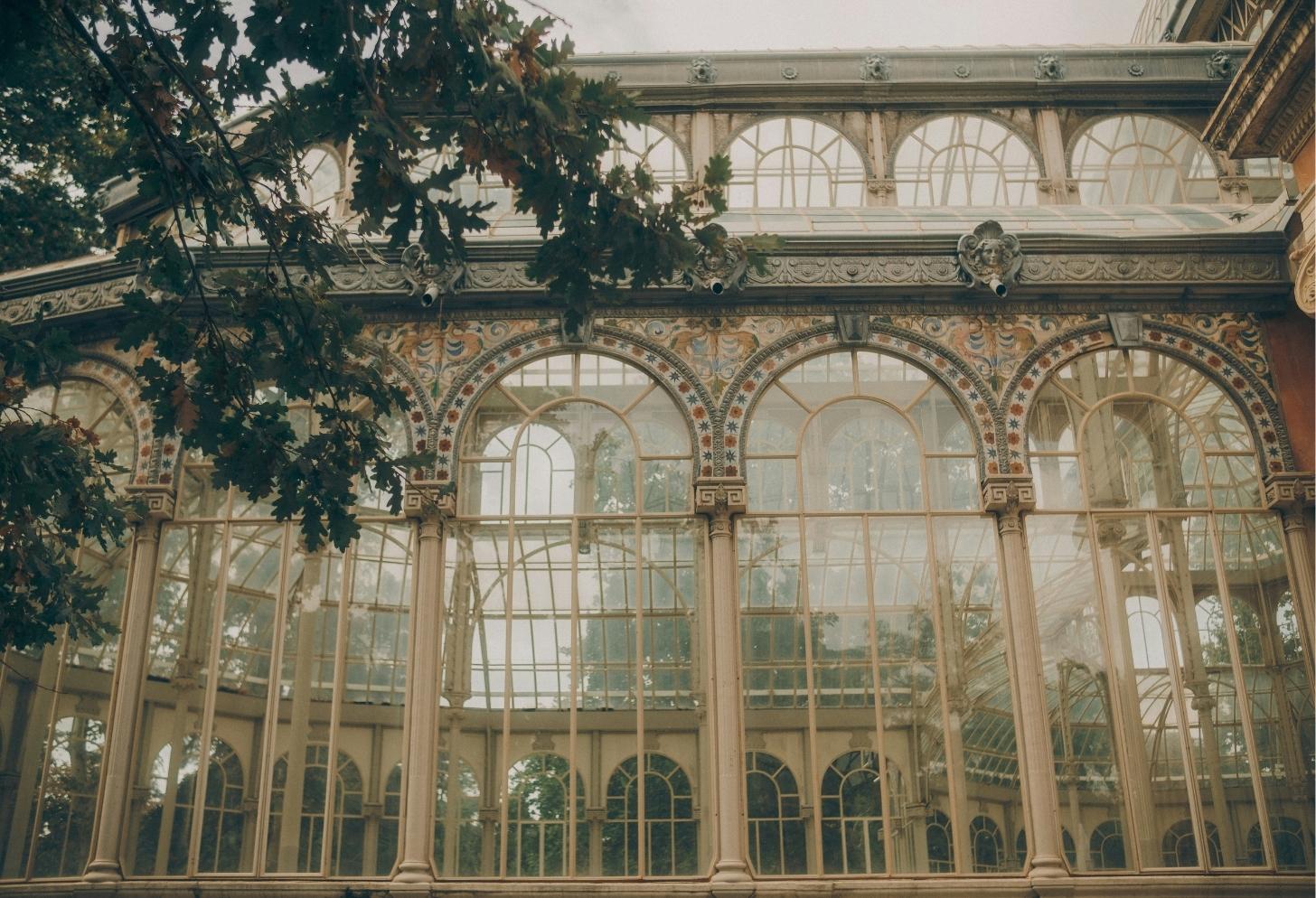
Vallehermoso grew in the early twentieth century as Madrid expanded north beyond Chamberí's original core, shifting from working-class outskirts to an established residential barrio. Much of today's housing predates 1960: solid apartment blocks with tiled entrances, wrought-iron balconies, and the shallow galleries typical of the period. The Mercado de Vallehermoso, built around 1930 on the corner of Calle Vallehermoso and Fernando el Católico, still anchors the streetscape with its rounded, colourful façade. The Estadio de Vallehermoso, Madrid's traditional athletics ground, reopened in 2019 and remains a defining local landmark.
Daily Life in Vallehermoso
Shopping and Local Services
For daily shopping, the Mercado de Vallehermoso is the obvious hub. Its traditional stalls sell fresh fish, meat, fruit, and bread at fair prices, while newer food counters draw a lunchtime crowd. Around it, Calle Vallehermoso, Fernández de los Ríos, and Cea Bermúdez carry the everyday essentials: supermarkets, bakeries, pharmacies, hardware shops, and dry cleaners. You rarely need to leave the barrio for routine errands. Independent shops still outnumber chains here, and most residents run their week on foot, stopping at the same fruit seller or baker they have used for years.
Education and Family Life
Families find plenty of schooling within reach. Chamberí holds one of the highest concentrations of school places in Madrid, and Vallehermoso itself mixes public, state-subsidised, and private centres, several of them bilingual. Nurseries and infant classes are scattered across the barrio, and the GoFit Vallehermoso sports centre runs swimming and activities used by local schools. Playgrounds, wide pavements, and generous green space make daily routines with children manageable. The area suits families planning a longer stay who want central Madrid without giving up room, quiet streets, and easy access to the university zone.
Health and Medical Services
Healthcare is well covered. Public health centres and a dense network of pharmacies sit within the barrio, so routine appointments and prescriptions stay close to home. Two major hospitals are within easy reach: the Hospital Clínico San Carlos and the Fundación Jiménez Díaz, both a short metro or bus ride from central Vallehermoso. Private clinics and specialist practices cluster along the main streets. Most residents register with their nearest centro de salud for day-to-day needs and rely on the hospitals nearby for anything more serious, all reachable without crossing the city.
Transportation and Connectivity
Getting around is straightforward. Around five metro stations ring the barrio, covering lines 1, 2, 6, and 7: Guzmán el Bueno (lines 6 and 7) and Islas Filipinas (line 7) to the west, Canal (lines 2 and 7) and Quevedo (line 2) to the east, with Cuatro Caminos (lines 1, 2, and 6) just north. Frequent bus routes run the main avenues, and the flat, walkable grid makes cycling practical. You can reach Nuevos Ministerios, Moncloa, and the city centre in minutes. On-street parking falls under the regulated SER system, so a resident permit helps if you drive.
Leisure, Culture, and Social Life
Parks and Green Spaces
Green space is one of Vallehermoso's strongest cards; roughly a third of the barrio is given over to it, the highest share in Chamberí. The Parque de Santander, on the northern edge, combines lawns and walking paths with the Canal de Isabel II sports facilities, including athletics tracks, a pool, and courts. Smaller gardens such as the Jardines de Enrique Herreros, and the landscaped deck above Islas Filipinas station, give you closer everyday spots for a walk or an hour with the kids. Plaza de Cristo Rey adds an open square for pausing between errands.
Restaurants, Cafés, and Nightlife
Evenings here are social rather than raucous. The Mercado de Vallehermoso leads the scene, its craft-beer bars and food stalls filling up on Friday and weekend nights. Standouts inside include Tripea for inventive fusion tasting menus, Kitchen 154 for Asian street food, Craft 19 for burgers and pastrami, and La Virgen for local beer. Around Fernández de los Ríos and Guzmán el Bueno, small cafés and tapas bars keep a steady neighbourhood crowd. Streets stay safe and quiet after dark, closer to a lived-in barrio than a nightlife hub.
Culture and Local Events
Culture here runs at neighbourhood scale rather than through grand institutions. The nearby Centro Cultural Galileo, set in a preserved nineteenth-century building, programmes theatre, exhibitions, and courses, while the Sala Galileo Galilei hosts live music a short walk east. The Estadio de Vallehermoso stages athletics meetings through the year, and the Mercado de Vallehermoso runs tastings and seasonal events. Street markets and local fiestas tie into Chamberí's wider calendar. For current dates, the city's official listings at esMadrid track exhibitions, concerts, and neighbourhood activities across the district.
Ready to make this neighborhood home? Explore our fully furnished apartments, designed for living, not just staying, and move in with nothing but your suitcase.

Unique and varied interior designs to match your style
Our friendly team is here to help. And if you prefer write us to hello@ukio.com
MESSAGE US ON WHATSAPP
LET US KNOW YOUR PREFERENCES