Paris
Understanding life in Bastille
Why people choose to live here
Bastille covers the south west of the 11th arrondissement, from Place de la Bastille north east along the Rue de la Roquette towards Père-Lachaise, between the Rue du Chemin-Vert and the Rue de Charonne. It is one of the liveliest parts of eastern Paris, mixing busy cafés and nightlife near the square with quieter residential streets, artisans' courtyards and family friendly gardens further east. Young professionals, creatives and international newcomers choose it for its energy, its central location a few minutes from the Marais and its outstanding metro connections.
History and architectural character of Bastille
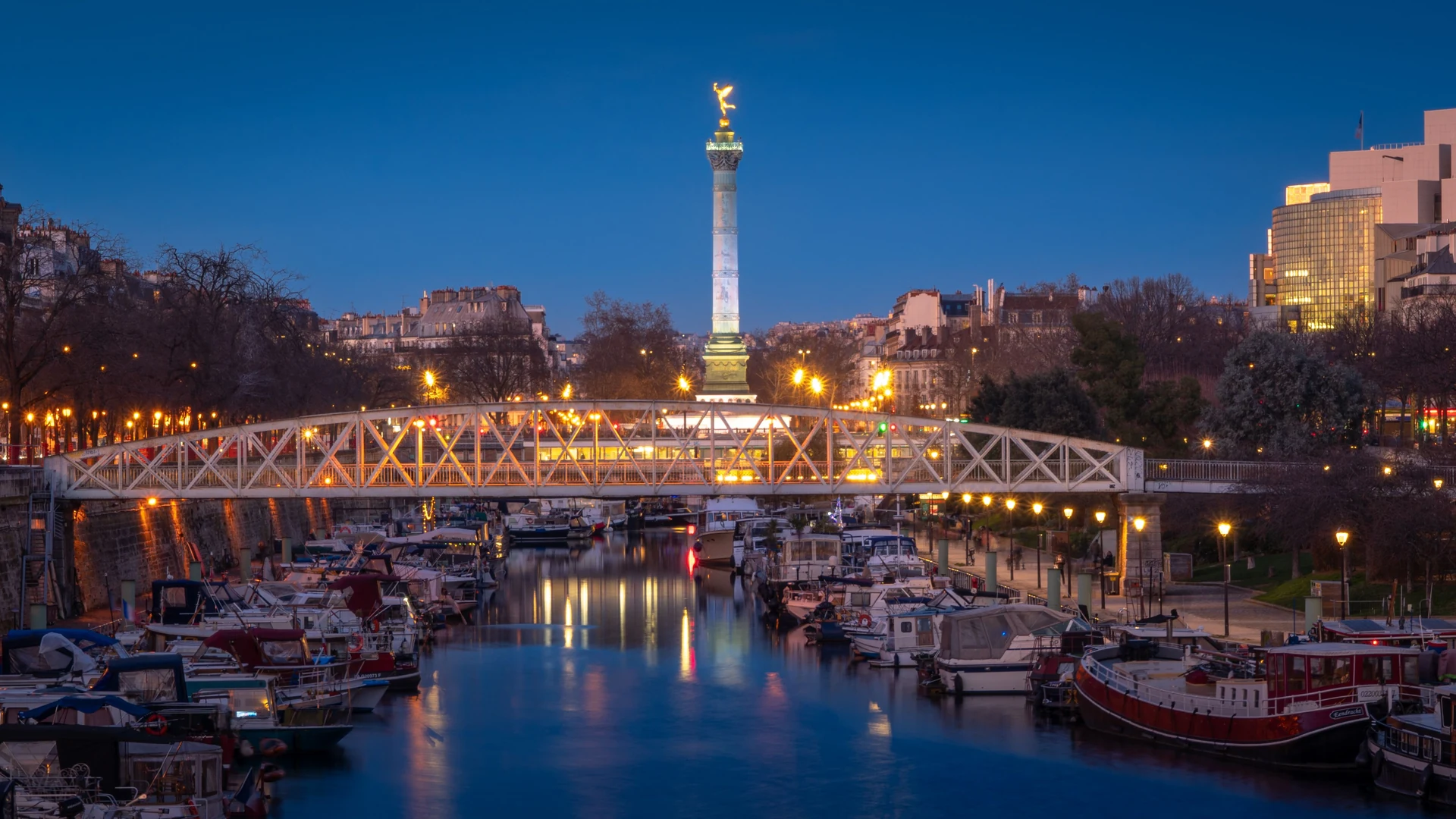
The district takes its name from the royal fortress stormed on 14 July 1789 and demolished soon after. At the centre of the square, the July Column, completed in 1840, honours the revolution of 1830 and is topped by the gilded Génie de la Liberté. For centuries the area belonged to the furniture makers of the Faubourg Saint-Antoine, and courtyards such as the Cour Damoye and the Passage Thiéré keep that craft heritage. The Rue de Lappe became famous for its dance halls, and the Mairie of the 11th, on Place Léon-Blum, was built between 1862 and 1865.
Daily life in Bastille
Shopping and local services
Daily shopping is easy on foot. The Marché Bastille, on the Boulevard Richard-Lenoir between the Rue Amelot and the Rue Saint-Sabin, is one of the largest open air markets in Paris and runs on Thursday and Sunday mornings, with produce, fish, cheese and flowers. The Rue de la Roquette and the Rue de Charonne are lined with bakeries, greengrocers, wine shops and pharmacies, and the Rue Keller has independent boutiques. Supermarkets, banks and post offices are spread throughout the area, and the town hall services of the Mairie are on Place Léon-Blum.
Education and family life
Families have several public schools to choose from. The École élémentaire Keller, at 4 rue Keller, and the École maternelle Roquette, at 144 rue de la Roquette, are among the local primary schools. The Collège Alain-Fournier, on the Rue Léon-Frot, serves secondary pupils, and the Lycée polyvalent Paul-Poiret, on the Rue des Taillandiers, offers general and vocational courses. Places in public schools are allocated by home address through the Mairie. The Square de la Roquette, with its playgrounds and lawns, is a popular after school meeting point for local families.
Health and medical services
Healthcare is close at hand. The Hôpital Saint-Antoine, a major AP-HP teaching hospital with an emergency department, stands just south on the Rue du Faubourg Saint-Antoine in the 12th arrondissement. The Hôpital des Quinze-Vingts, a national eye hospital, is also a few minutes from the square. General practitioners, dentists and specialists practise throughout the area, and many accept the carte Vitale under the French public health system. Pharmacies line the Rue de la Roquette and the Boulevard Voltaire. Newcomers should register with a médecin traitant to lower the cost of most consultations.
Transportation and connectivity
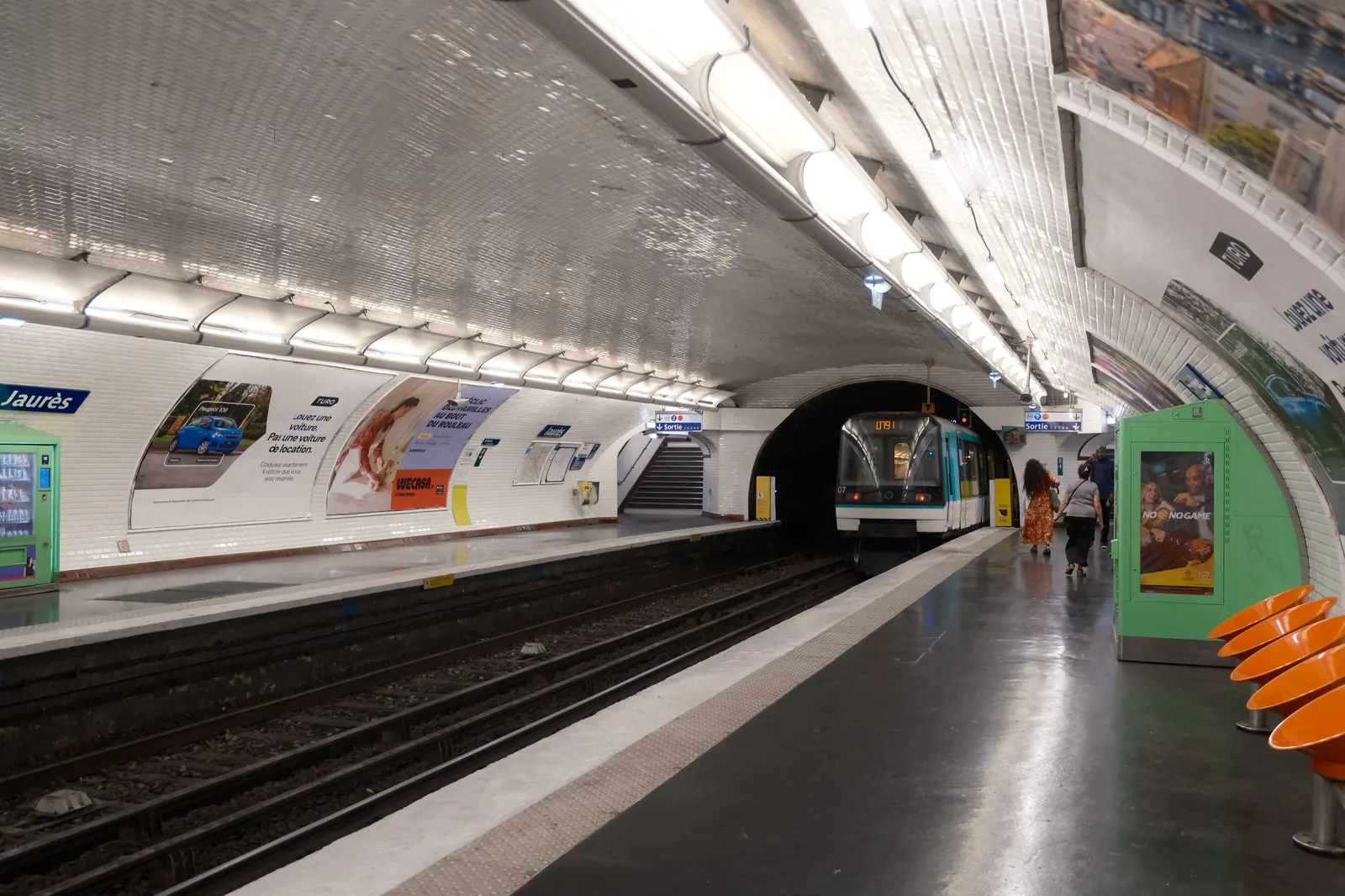
Few areas are better connected. Bastille, on the western edge, serves metro lines 1, 5 and 8, and line 1 is fully automated with frequent trains across the city. Bréguet-Sabin is on line 5, Voltaire and Charonne on line 9, and Père Lachaise, at the eastern end, on lines 2 and 3. Gare de Lyon, one stop from Bastille on line 1, offers RER A and D and TGVs to the south of France, Switzerland and Italy. Numerous bus routes cross Place de la Bastille, and cycle lanes make getting around by bike simple.
Leisure, culture, and social life
Parks and green spaces
Green space is modest but well used. The Square de la Roquette, opened in 1977 on the site of the former Petite Roquette prison, has lawns, flower beds and playgrounds, and its old gateway still stands on the street. The planted central reservation of the Boulevard Richard-Lenoir, laid over the covered Canal Saint-Martin, offers a long promenade on the western edge. Just south of the square, the Bassin de l'Arsenal has moored boats and a waterside garden. To the east, the Père-Lachaise cemetery is a peaceful place for long walks.
Restaurants, cafés, and nightlife
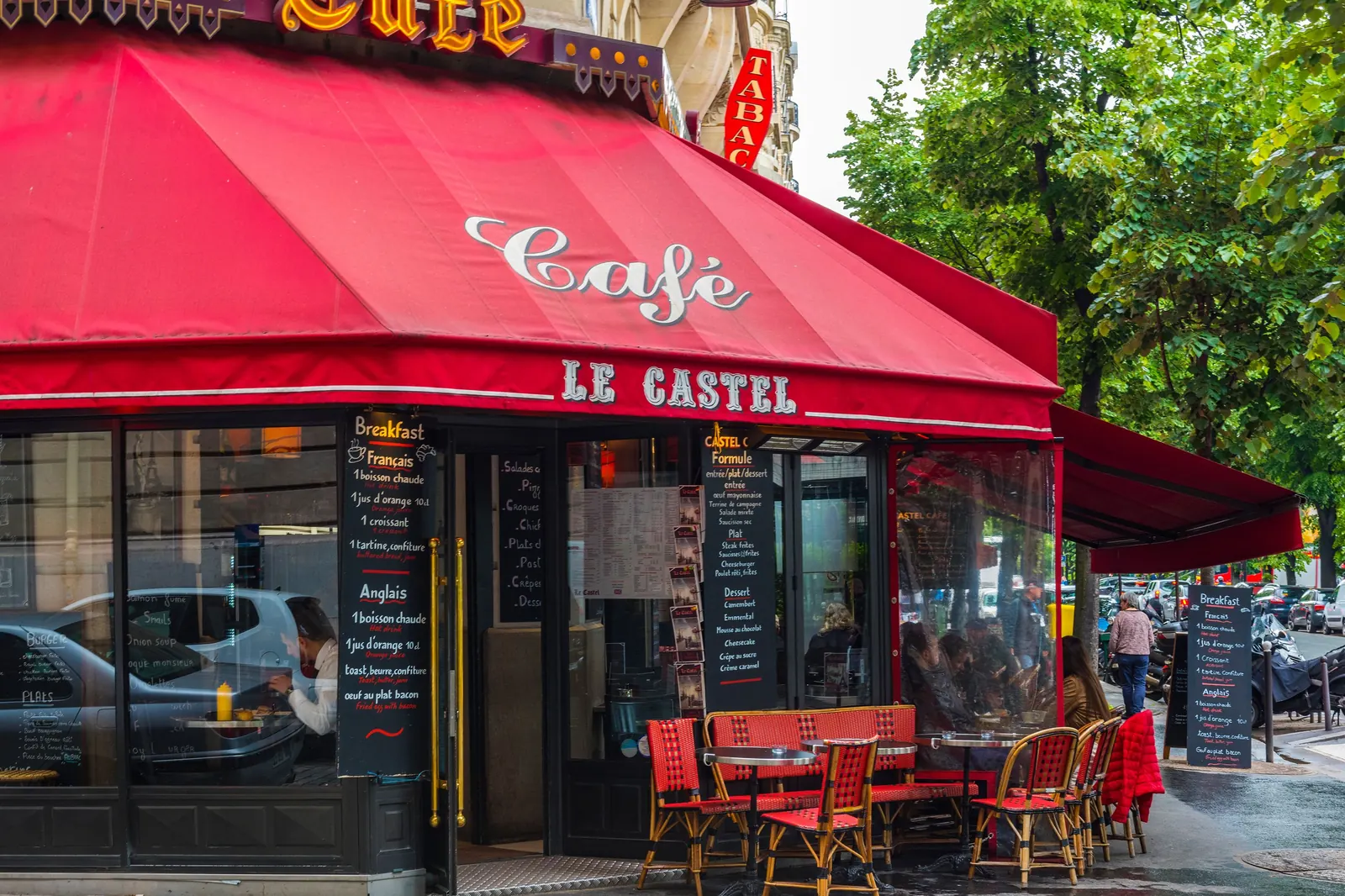
Eating and drinking out is part of daily life. The Café de l'Industrie, at 16 rue Saint-Sabin, is a much loved brasserie with a vintage interior, open every day from morning until late. The Rue de Lappe and the Rue de la Roquette are lined with bars, cocktail spots and late night venues, and Le Balajo, opened in 1936 at 9 rue de Lappe, still hosts dance nights. The Rue de Charonne and the Rue Keller add bistros, wine bars and cafés. Streets near the square stay busy late, so quiet courtyard flats suit light sleepers.
Culture and local events
Culture is everywhere around the square. The Théâtre de la Bastille, at 76 rue de la Roquette, is known for contemporary theatre and dance. Just across Place de la Bastille, in the 12th arrondissement, the Opéra Bastille, opened in 1989, stages opera and ballet. The July Column is the focal point of celebrations and gatherings, and Bastille Day on 14 July brings a festive atmosphere to the area. The Mairie of the 11th hosts exhibitions, and the old workshops of the courtyards now house design studios, galleries and artisans.
Ready to make this neighborhood home? Explore our fully furnished apartments, designed for living, not just staying, and move in with nothing but your suitcase.

Unique and varied interior designs to match your style
Our friendly team is here to help. And if you prefer write us to hello@ukio.com
MESSAGE US ON WHATSAPP
LET US KNOW YOUR PREFERENCES