Paris
Understanding life in Champs-Élysées
Why people choose to live here
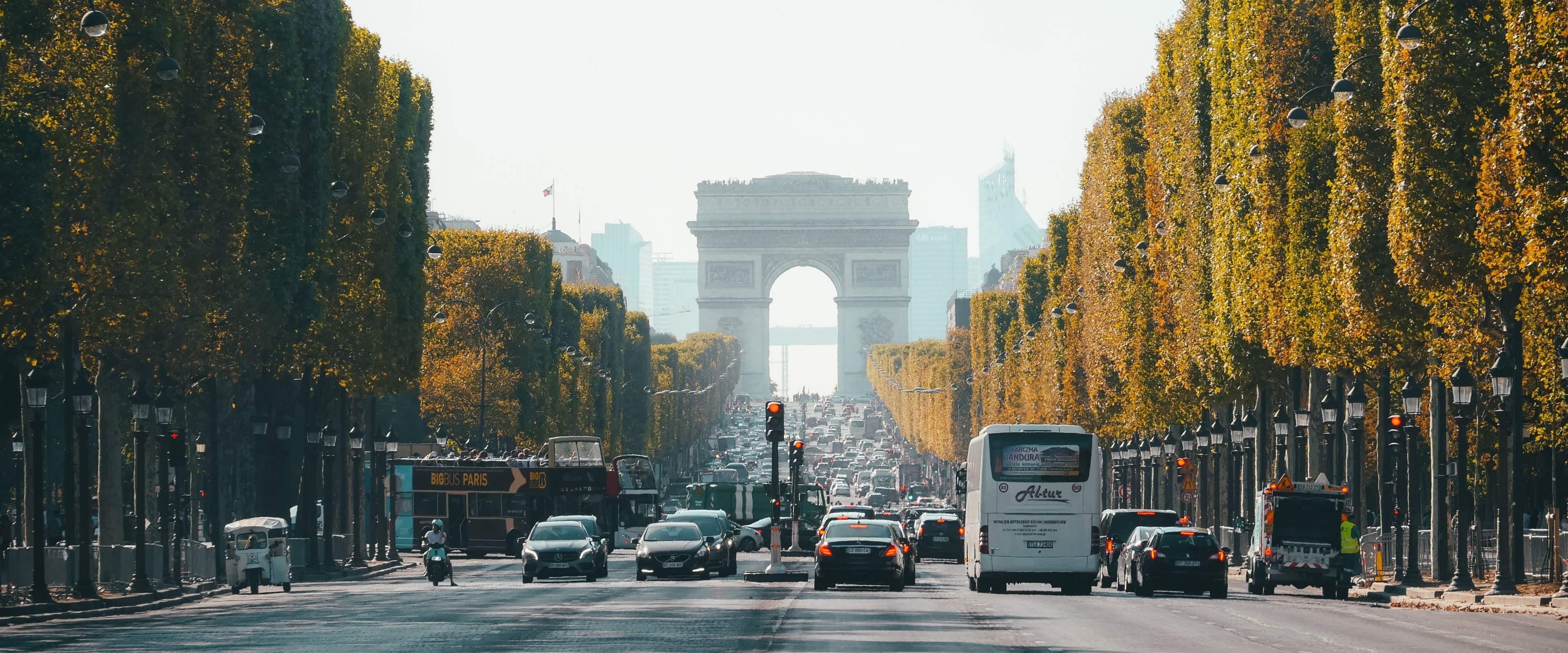
Few Paris addresses carry the weight of the Champs-Élysées. You live at the centre of the 8th arrondissement, wrapped in Haussmann grandeur, luxury retail, and corporate headquarters. The pace is polished rather than sleepy, and streets stay busy and well-lit into the night, which many residents value for safety. Most neighbours are business professionals, diplomats, and international executives drawn by prestige and central access. Compared with quieter residential quarters nearby, this one trades neighbourhood intimacy for status, connectivity, and proximity to Paris's cultural and commercial core.
History and architectural character of Champs-Élysées
The avenue began as royal gardens laid out under André Le Nôtre in the 1600s, extending the view from the Tuileries. It grew into a fashionable promenade, then a grand nineteenth-century boulevard shaped by Baron Haussmann's redesign of Paris. That legacy defines the streetscape today: wide pavements, uniform limestone facades, wrought-iron balconies, and mansard roofs. Around the avenue, the Grand Palais and Petit Palais anchor the eastern gardens, while Avenue Montaigne and Avenue George V form the luxury "Triangle d'Or". These emblematic streets give the quarter its enduring monumental character.
Daily life in Champs-Élysées
Shopping and local services
Everyday shopping here looks different from the flagship stores that fill the avenue. For groceries, you rely on the Monoprix on the Champs-Élysées and smaller supermarkets tucked along Rue de Ponthieu, Rue La Boétie, and Rue de Berri. These side streets hold the bakeries, pharmacies, dry cleaners, and cafés residents use daily. A weekly food market sets up nearby on Avenue du Président Wilson, drawing locals for fresh produce. The quarter leans commercial rather than village-like, so many residents combine convenience errands here with regular trips to markets in adjacent neighbourhoods.
Education and family life
Families are a minority here, but schooling is close at hand. The quarter holds a handful of public nursery and primary schools, including establishments on Rue Robert Estienne and Rue Paul Baudry, alongside private schools and a private secondary school on the avenue itself. The Champs-Élysées Gardens give children carousels, a puppet theatre, and open lawns within walking distance. Day-to-day, the area suits professional or diplomatic families on medium-term stays who prioritise central location and international schooling options over large parks or a quiet residential feel.
Health and medical services
Healthcare access here is strong on private provision. The quarter is dense with doctors, dentists, and specialist practices, many clustered around Avenue Franklin D. Roosevelt and the side streets off the avenue. Pharmacies are frequent, and one on the Champs-Élysées keeps notably long hours. For everyday needs you book a nearby GP or specialist and use a local pharmacy, most within a short walk. For hospital care, larger public facilities such as the Hôpital Européen Georges-Pompidou sit a brief metro ride away in neighbouring arrondissements, keeping serious treatment within easy reach.
Transportation and connectivity
Getting around is one of the quarter's real strengths. Three metro stations sit directly on the avenue, all on Line 1: George V, Franklin D. Roosevelt, and Champs-Élysées-Clemenceau, the last also served by Line 13. Line 9 stops at Franklin D. Roosevelt, and Charles de Gaulle-Étoile at the western tip adds Lines 2 and 6 plus RER A. Several bus routes cross the avenue. Line 1 reaches the Louvre, Bastille, and the La Défense business district in minutes. Cycling lanes run the avenue's length, though on-street parking stays limited and costly.
Leisure, culture, and social life
Parks and green spaces
Green space concentrates in the Jardin des Champs-Élysées, the formal gardens flanking the lower avenue between the Rond-Point and Place de la Concorde. Gravel paths, chestnut trees, and lawns run between the Grand Palais and Petit Palais, giving you a genuine outdoor break from the traffic. Families find carousels, a marionette theatre, and shaded benches here. Square Marigny and the Théâtre Marigny gardens add smaller pockets of calm. Beyond these, the Tuileries and Parc Monceau lie a short walk or one metro stop away for longer strolls and picnics.
Restaurants, cafés, and nightlife
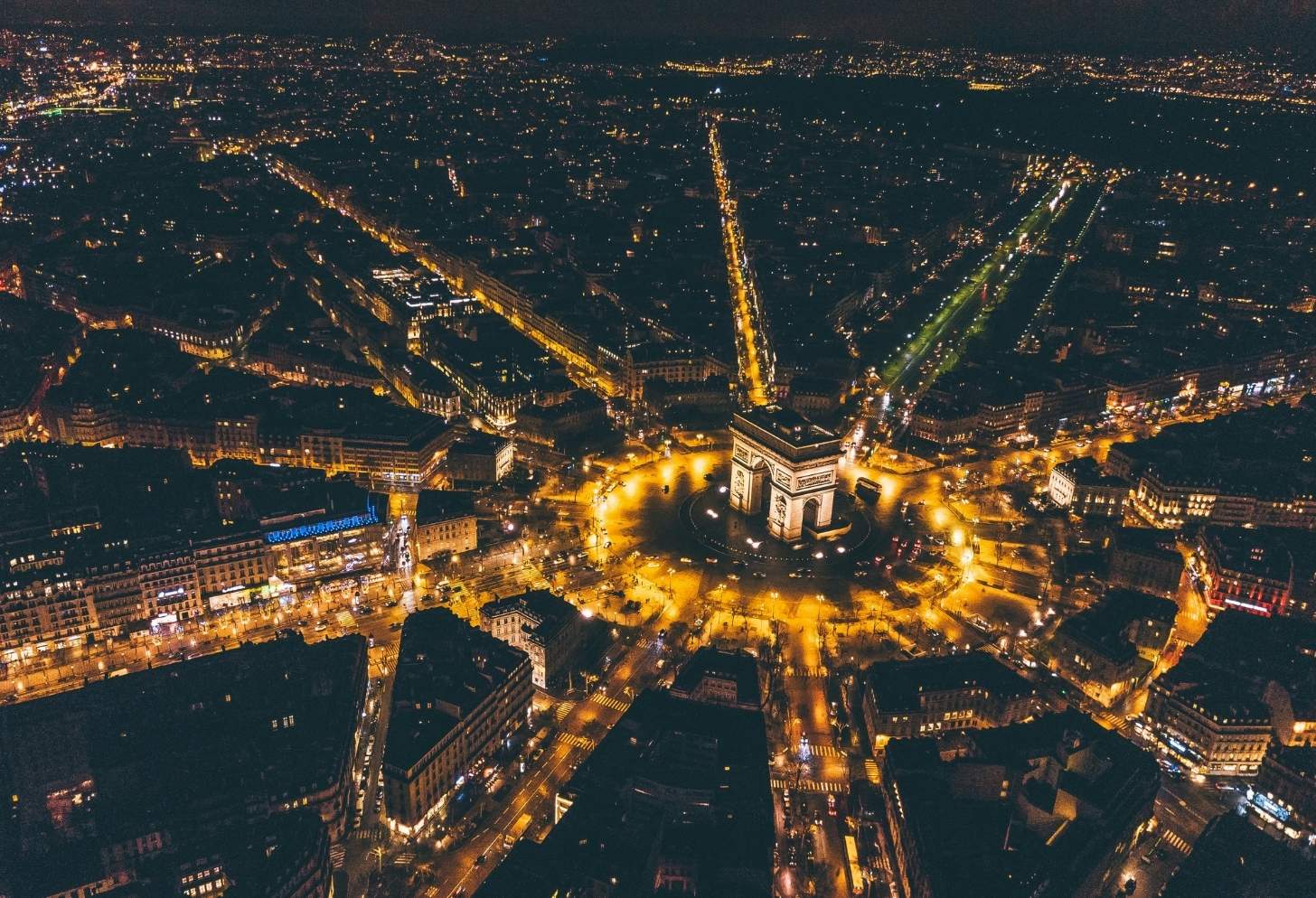
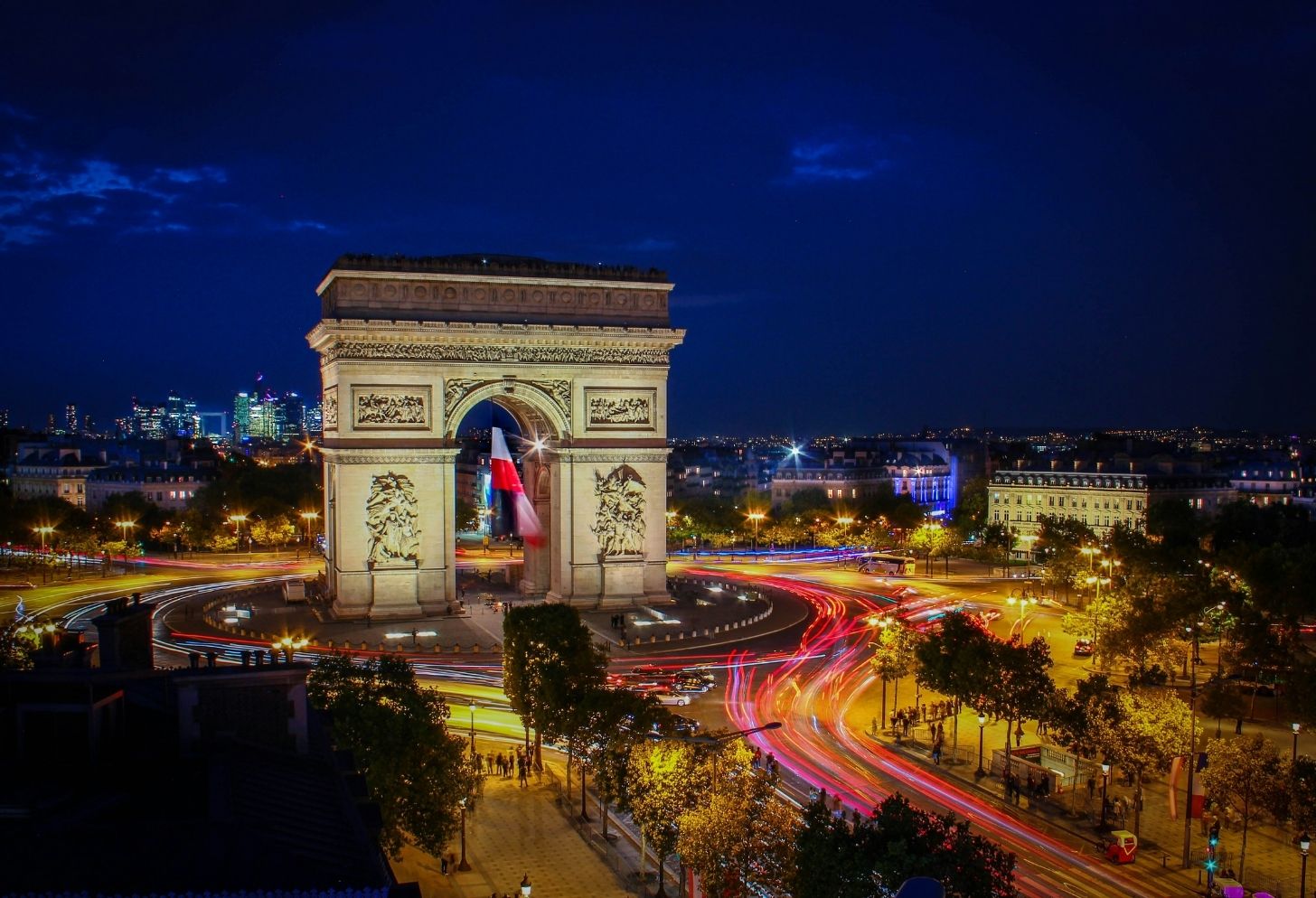
Evenings here are lively and safe, with the avenue lit and busy well past midnight and a steady police presence. The scene skews upscale: expect grand brasseries, hotel bars, and destination dining rather than casual local haunts. Fouquet's remains the emblematic address, while Ladurée draws crowds for pastries and tea. Brasserie L'Alsace serves seafood and choucroute around the clock, and Publicis Drugstore offers dining with Arc de Triomphe views. For fine dining, Le Cinq at the George V and Pavillon Ledoyen sit among the city's most celebrated tables.
Culture and local events
Culture at street level revolves around the gardens' two palaces. The Grand Palais hosts major exhibitions, fairs, and events under its glass roof, while the Petit Palais holds the city's fine arts museum with free permanent collections. The Théâtre des Champs-Élysées on nearby Avenue Montaigne stages concerts and ballet, and several cinemas line the avenue. Seasonal moments shape the calendar: the Bastille Day military parade, the Tour de France finish, and the winter illuminations that light the avenue each December. The Mairie du 8e publishes local listings and event details.
Ready to make this neighborhood home? Explore our fully furnished apartments, designed for living, not just staying, and move in with nothing but your suitcase.

Unique and varied interior designs to match your style
Our friendly team is here to help. And if you prefer write us to hello@ukio.com
MESSAGE US ON WHATSAPP
LET US KNOW YOUR PREFERENCES