Paris
Understanding life in Charonne
Why people choose to live here
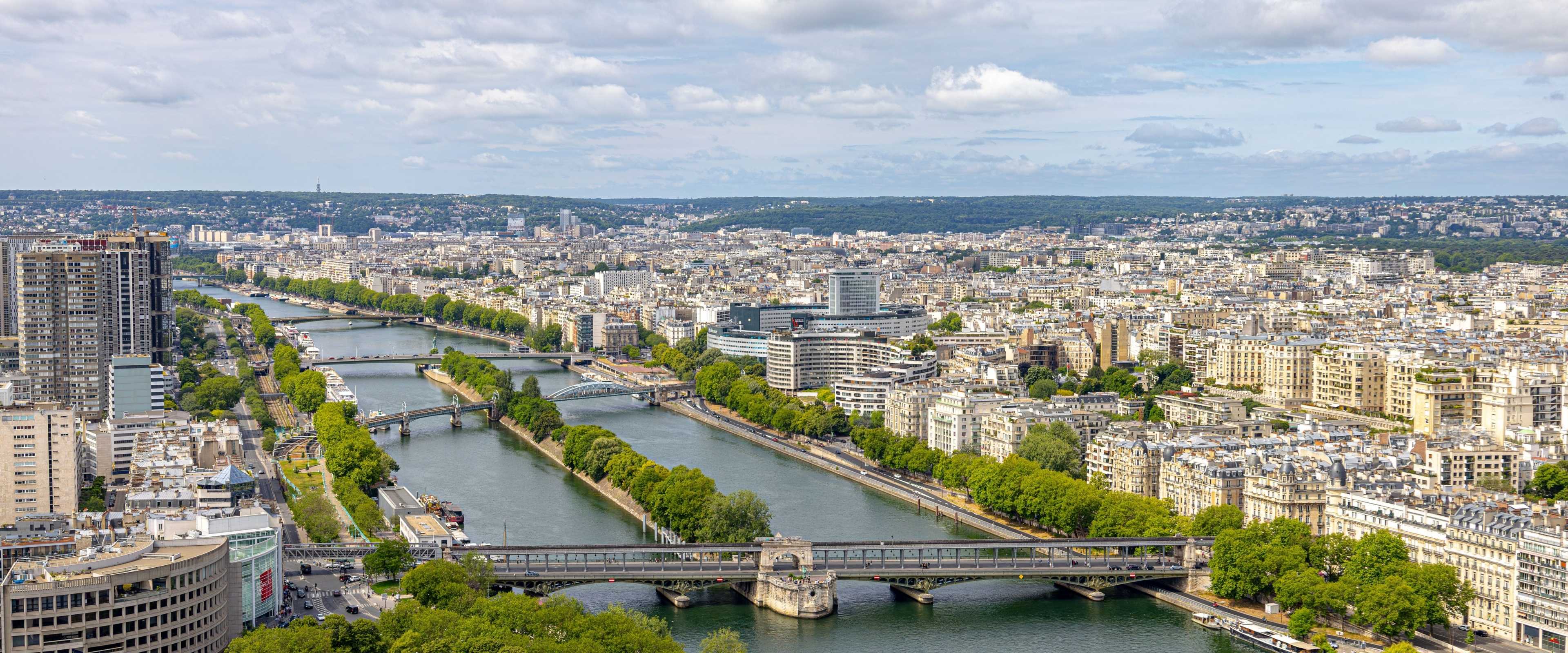
Charonne sits in eastern Paris, inside the 11th arrondissement, and keeps the feel of the village it once was. Streets stay quieter than the centre, yet you reach Bastille or République in minutes. The area draws young professionals, creatives, and families who want an authentic Parisian setting without the tourist density of the Marais or Saint-Germain. Independent shops, natural wine bars, and old workshops give it a lived-in character. Neighbours recognise each other, pavements stay walkable, and the atmosphere feels relaxed and safe through the day and into the evening.
History and architectural character of Charonne
Charonne began as an independent village built around a hilltop church, absorbed into Paris in 1860. The 11th arrondissement then grew into a centre of furniture-making and craftsmanship, and that working past still marks the streets. You find hidden courtyards, the cours, once filled with cabinetmakers' ateliers, low artisan houses, and Haussmannian facades standing side by side. Rue de Charonne runs as the neighbourhood's spine, lined with a mix of period buildings and converted workshops. The result is a varied, human-scale landscape rather than a stretch of uniform grand boulevards.
Daily life in Charonne
Shopping and local services
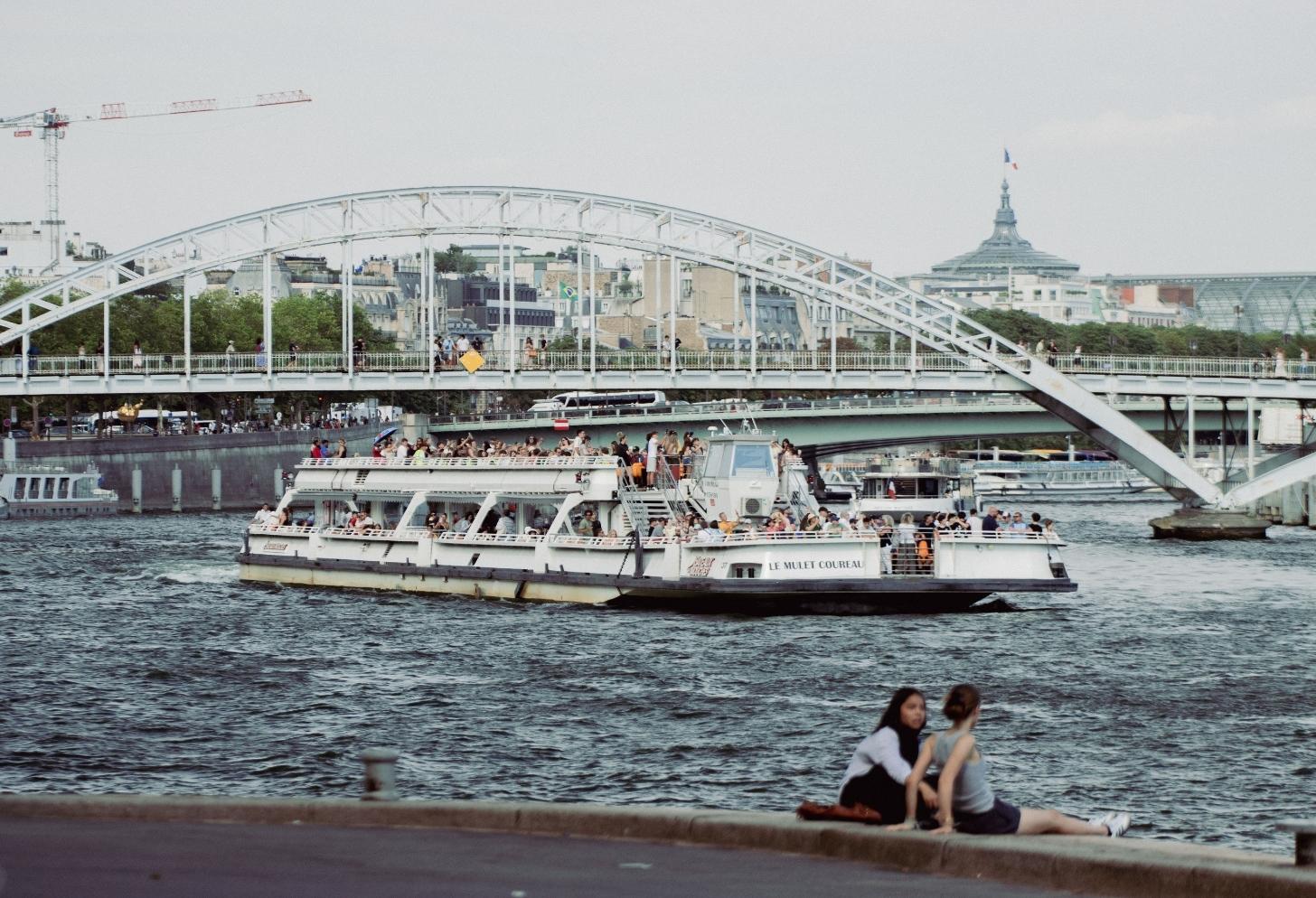
Daily shopping happens on foot here. Rue de Charonne and Rue de la Roquette carry bakeries, greengrocers, cheese shops, butchers, and pharmacies within a short walk of most flats. For fresh produce, the open-air Marché Bastille along Boulevard Richard-Lenoir runs on Thursdays and Sundays, while the Marché d'Aligre sits just south in the 12th. Small independent grocers and organic shops fill the gaps between market days. You rarely need a car for errands, since supermarkets, laundrettes, and essential services cluster along the main streets and quieter side roads.
Education and family life
Families settle in Charonne for its balance of calm streets and central access. The 11th arrondissement runs several public nurseries (crèches), écoles maternelles, and primary schools within walking distance, alongside private and bilingual options. Small squares such as Square de la Roquette give children space to play, and pedestrian-friendly streets make the school run manageable. Playgrounds, libraries, and after-school services spread across the district. The area suits parents who want an urban lifestyle with everyday amenities close by, and who plan longer stays rather than short visits.
Health and medical services
Healthcare stays close at hand. Pharmacies line Rue de Charonne and Rue de la Roquette, and independent general practitioners, dentists, and specialists keep practices throughout the 11th arrondissement. For anything more serious, Hôpital Saint-Antoine sits just south on Rue du Faubourg Saint-Antoine, and Hôpital Tenon lies to the east in the 20th. Most residents register with a local médecin traitant for routine care and rely on nearby pharmacies for prescriptions and advice. Walk-in medical centres and laboratories handle tests and minor issues without a long journey across the city.
Transportation and connectivity
Getting around is straightforward. Charonne metro station on Line 9 sits at the heart of the neighbourhood, and Ledru-Rollin (Line 8), Voltaire (Line 9), Rue des Boulets (Line 9), and Faidherbe-Chaligny (Line 8) surround it, giving you several stations within walking distance. Lines 8 and 9 connect you directly to Bastille, République, and the western business districts. Numerous bus routes cross the area, and Vélib' docks with marked bike lanes make short trips easy. On-street parking exists but stays limited, so most residents move by metro, bike, or on foot.
Leisure, culture, and social life
Parks and green spaces
Green space here comes in pockets rather than sweeping parks. Square de la Roquette offers lawns, benches, and a children's play area on the site of a former prison. The Jardin Émile Gallé, tucked off Rue de Charonne, gives a quiet planted corner for a short break. Place Léon Blum works as a local meeting point with seating and shade. For a longer walk, the Père Lachaise cemetery, with its tree-lined avenues, lies a short stroll east and doubles as a calm green retreat. These everyday spaces suit casual walks, picnics, and time outdoors with children.
Restaurants, cafés, and nightlife
Evenings in Charonne lean lively but relaxed. Rue de Charonne and the streets around it fill with natural wine bars, bistros, and small terraces where locals gather after work. Septime draws diners for modern French cooking, while its neighbour Clamato serves seafood small plates. Le Pure Café keeps the classic Parisian bistro spirit, and Le Servan on Rue Saint-Maur mixes French and Asian flavours. Bars stay busy without the rowdiness of nearby Rue de Lappe. Streets feel safe and social at night, with a steady neighbourhood crowd rather than a tourist scene.
Culture and local events
Culture here plays out at street level. Independent galleries and design studios dot Rue Keller and the side streets near Bastille, showing contemporary art and illustration. Small cinemas and community spaces host screenings and workshops. Through the year, the neighbourhood joins city-wide moments such as the Fête de la Musique in June and Nuit Blanche in autumn, and local brocantes and vide-greniers fill the pavements on weekends. To plan around what is happening, the City of Paris publishes an official events calendar for the 11th arrondissement and the rest of the capital at quefaire.paris.fr.
Ready to make this neighborhood home? Explore our fully furnished apartments, designed for living, not just staying, and move in with nothing but your suitcase.

Unique and varied interior designs to match your style
Our friendly team is here to help. And if you prefer write us to hello@ukio.com
MESSAGE US ON WHATSAPP
LET US KNOW YOUR PREFERENCES