Paris
Understanding life in Louvre / Tuileries
Why people choose to live here
Louvre / Tuileries covers the southern half of the 1st arrondissement, between the Rue de Rivoli and the Seine, from the Place de la Concorde to the Place du Châtelet, and includes the western tip of the Île de la Cité. Much of it is taken by the Louvre and the Tuileries Garden, yet small residential streets survive around the Rue de l'Arbre-Sec and the Place Dauphine. People who choose to live here want the most central address in Paris, with world class museums, the river and excellent transport on their doorstep.
History and architectural character of Louvre / Tuileries
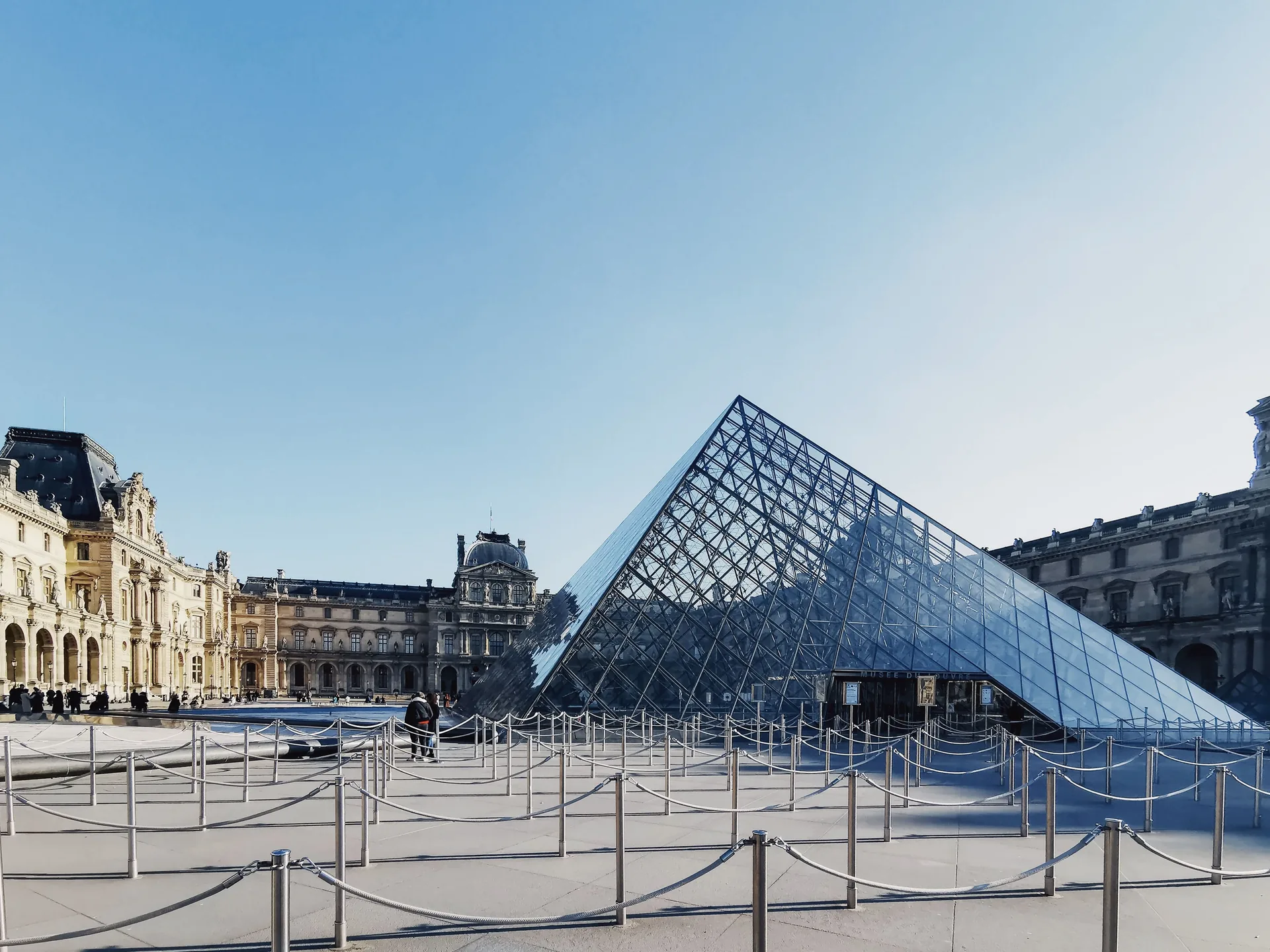
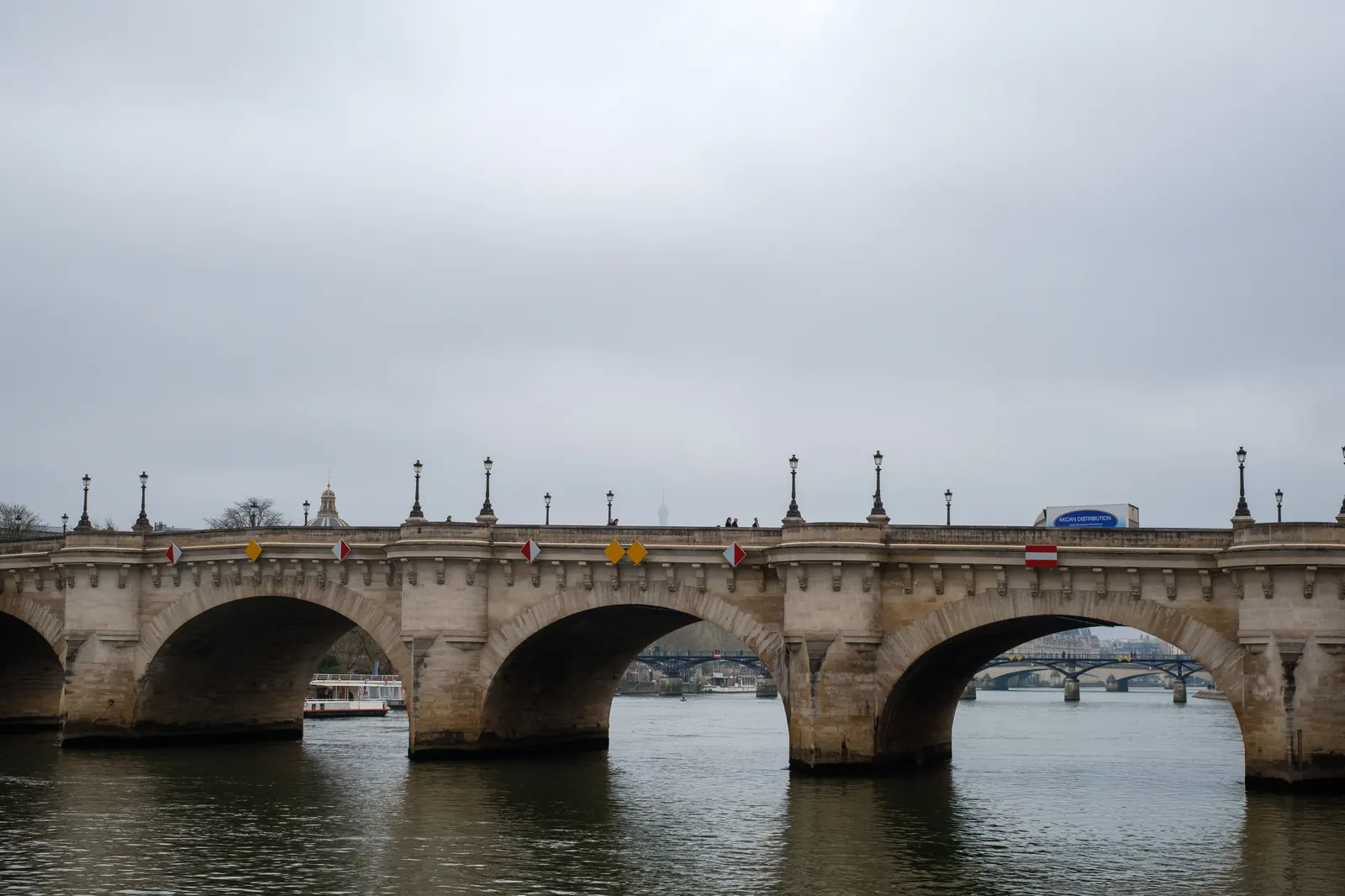
This is where royal Paris began. King Philippe Auguste built the first Louvre fortress around 1190, and it grew over the centuries into a vast palace before opening as a museum in 1793. The Tuileries Garden was created for Catherine de Medici in 1564 and redesigned by André Le Nôtre in 1664, while the Tuileries Palace burned in 1871. The Pont Neuf, completed in 1607, is the oldest standing bridge in Paris, and the Place Dauphine was laid out under Henri IV. I. M. Pei's glass pyramid opened in 1989.
Daily life in Louvre / Tuileries
Shopping and local services
Daily shopping here mixes landmarks and convenience. La Samaritaine, on the Rue de la Monnaie, reopened in 2021 as a department store with fashion, beauty and a food hall. The arcades of the Rue de Rivoli hold bookshops, pharmacies and everyday stores, and the Rue de l'Arbre-Sec has bakeries, cafés and small food shops. For bigger shopping, the Forum des Halles and its supermarkets are a few minutes north east, and the Marché Saint-Honoré is a short walk north. Banks and post offices are found along the main streets.
Education and family life
Families living here have local primary schools despite the monumental setting. The École élémentaire Arbre-Sec, at 15 rue de l'Arbre-Sec, and the École maternelle Saint-Germain-l'Auxerrois, on the street of the same name, serve young children in the heart of the district. Secondary pupils attend collèges and lycées elsewhere in the central arrondissements, all within easy reach by metro or on foot. Places in public schools are allocated by home address through the town hall of Paris Centre. The Tuileries Garden is a superb playground, with trampolines and a summer funfair.
Health and medical services
Healthcare is close by. The Hôtel-Dieu, the oldest hospital in Paris and part of the AP-HP network, stands on the Île de la Cité beside Notre-Dame and has an emergency department. General practitioners, dentists and specialists practise across the central arrondissements, and many accept the carte Vitale under the French public health system. Pharmacies are easy to find along the Rue de Rivoli and near Châtelet, some with long opening hours. Newcomers should register with a médecin traitant, their declared family doctor, to lower the cost of most consultations and simplify referrals to specialists.
Transportation and connectivity
Few places in Paris are better connected. Metro line 1, fully automated, stops at Concorde, Tuileries, Palais-Royal Musée du Louvre and Louvre-Rivoli along the northern edge, while Pont Neuf station serves line 7. Châtelet, on the eastern edge, connects metro lines 1, 4, 7, 11 and 14, and Châtelet-Les Halles adds RER A, B and D, with RER B running directly to Charles de Gaulle airport. Buses run along the quays and the Rue de Rivoli, and the riverside cycle lanes make biking along the Seine a pleasure for daily journeys.
Leisure, culture, and social life
Parks and green spaces
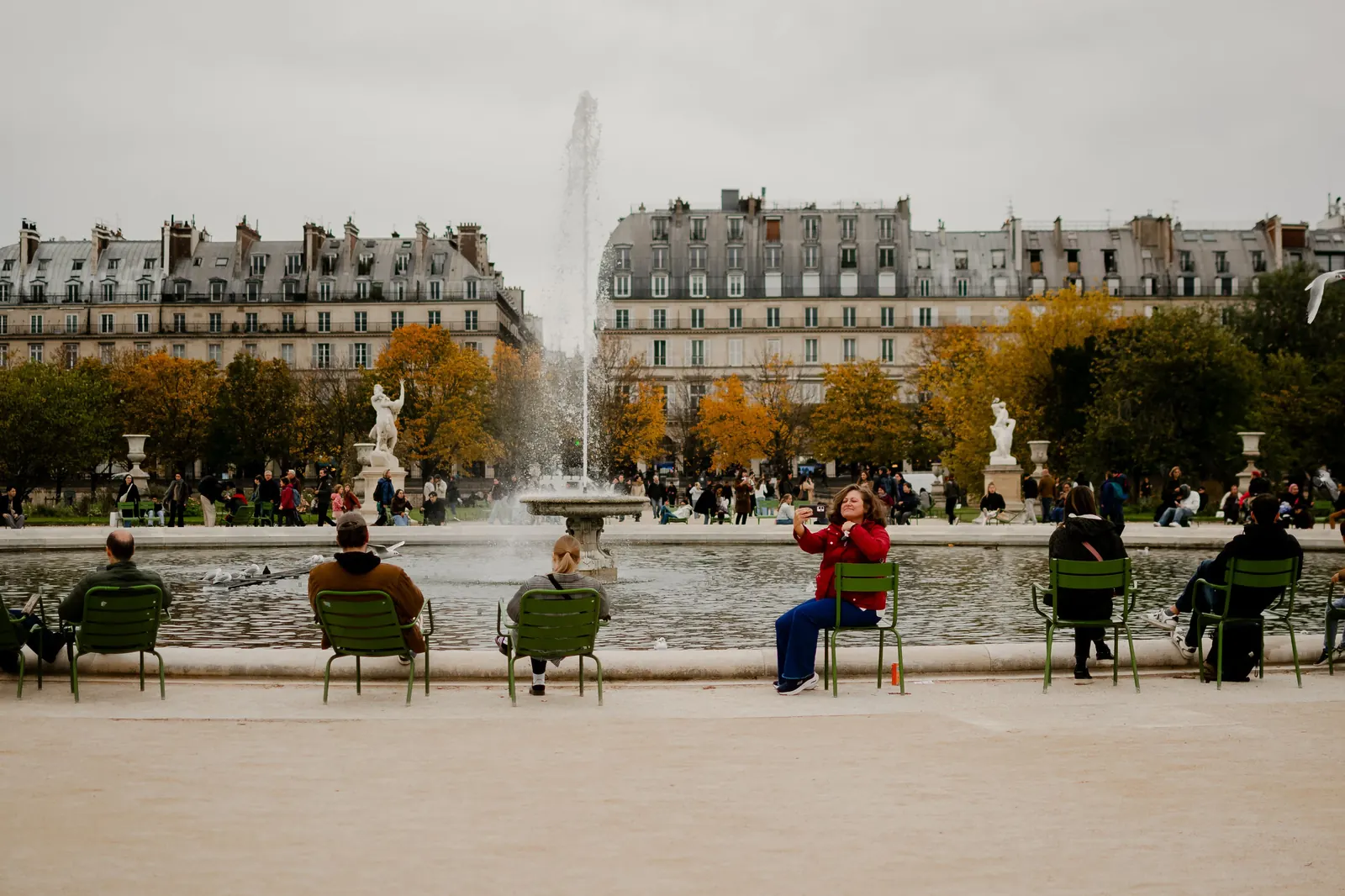
Green space here is spectacular. The Tuileries Garden stretches for about 25 hectares between the Louvre and the Place de la Concorde, with tree lined alleys, ponds, statues and the famous green chairs. At the western tip of the Île de la Cité, the Square du Vert-Galant sits at water level below the Pont Neuf and is a favourite spot at sunset. The Place Dauphine offers a shaded, quiet triangle of chestnut trees, and the riverside quays provide long walks along the Seine in every season.
Restaurants, cafés, and nightlife
Eating out ranges from grand cafés to hidden bistros. Café Marly, at 93 rue de Rivoli, has a terrace under the arcades of the Louvre facing the pyramid and is open every day from morning until late. Le Fumoir, at 6 rue de l'Amiral-de-Coligny, is a relaxed café and restaurant with a library room, also open daily. The Place Dauphine is lined with small restaurants and wine bars, and the kiosks of the Tuileries serve snacks and drinks. Evenings are calmer than in other central districts once the museum crowds leave.
Culture and local events
Culture is the main attraction. The Musée du Louvre is the most visited museum in the world, and the Musée des Arts Décoratifs, at 107 rue de Rivoli, occupies another wing of the palace. In the Tuileries, the Musée de l'Orangerie displays Monet's Water Lilies and the Jeu de Paume shows photography and contemporary images. On the Île de la Cité, the Sainte-Chapelle, consecrated in 1248, holds classical concerts beneath its stained glass, and the Conciergerie tells the story of the Revolution. The Église Saint-Germain-l'Auxerrois faces the Louvre.
Ready to make this neighborhood home? Explore our fully furnished apartments, designed for living, not just staying, and move in with nothing but your suitcase.

Unique and varied interior designs to match your style
Our friendly team is here to help. And if you prefer write us to hello@ukio.com
MESSAGE US ON WHATSAPP
LET US KNOW YOUR PREFERENCES