Paris
Understanding life in Plaine-de-Monceaux
Why people choose to live here
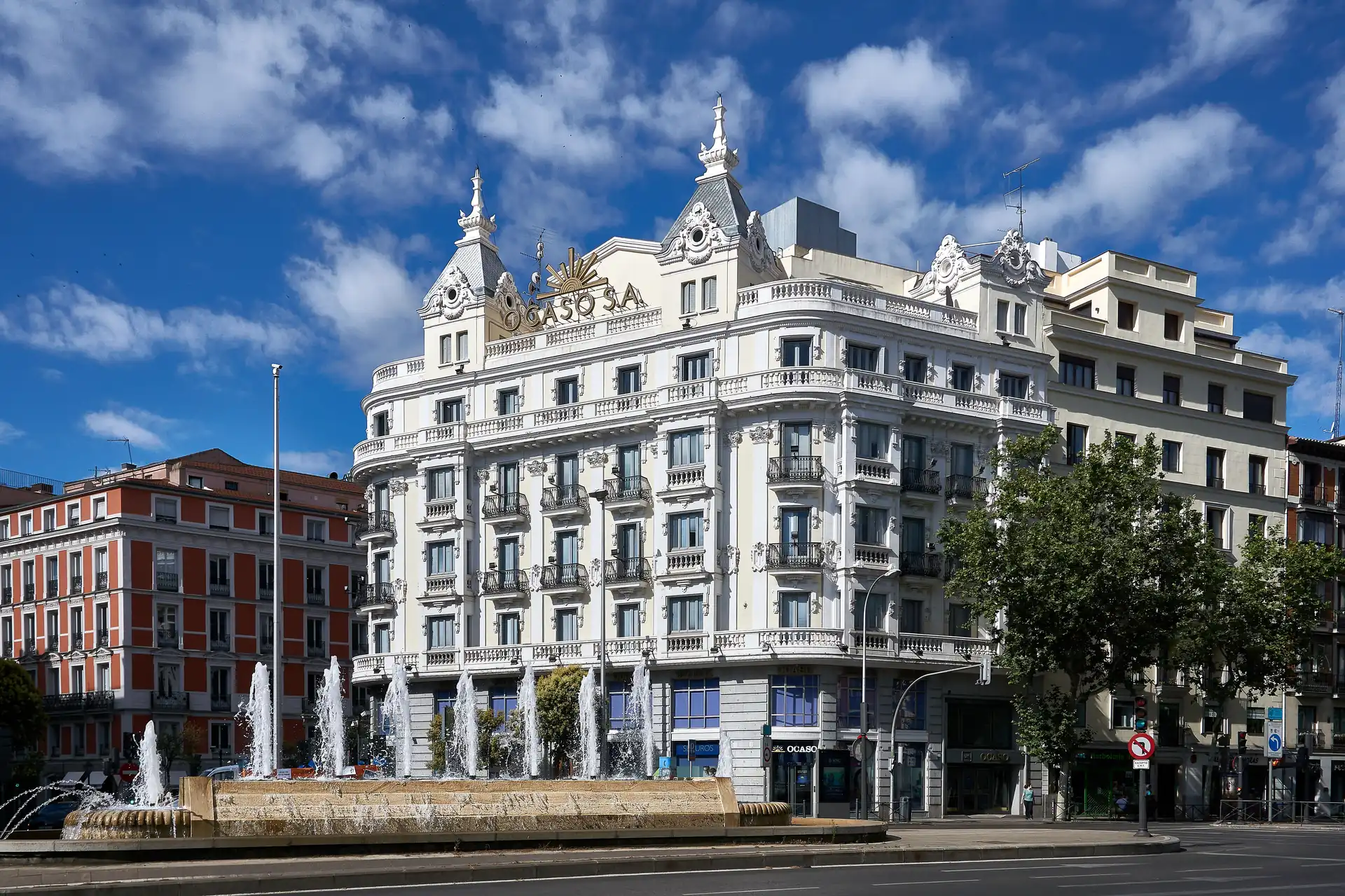
Plaine-de-Monceaux covers the southern part of the 17th arrondissement, between the Boulevard de Courcelles, the Avenue de Wagram, the Boulevard Berthier and the Rue de Lévis, with the Boulevard Malesherbes and the Avenue de Villiers at its heart. It is one of the most elegant residential areas of Paris, known for its stone apartment buildings, private mansions and calm, wide streets. Families, executives and international newcomers choose it for its quiet atmosphere, its good schools, its easy access to the Parc Monceau and its quick links to the business districts.
History and architectural character of Plaine-de-Monceaux
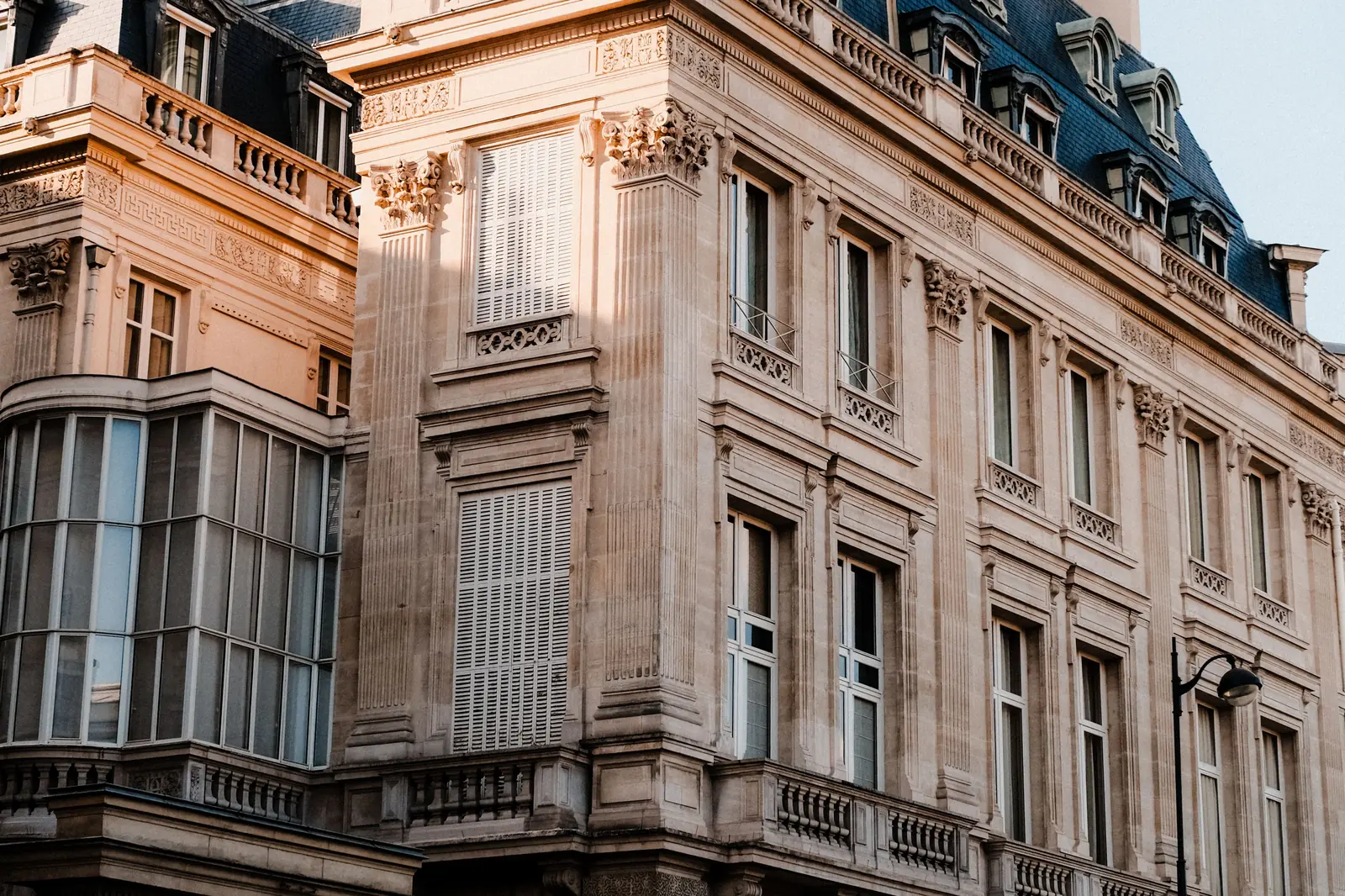
Until the middle of the 19th century the area was open farmland around the village of Monceau. After Paris annexed it in 1860, bankers Émile and Isaac Pereire led its development under the Second Empire, laying out avenues lined with apartment buildings and private mansions. Painters, writers and actors settled here, and the Place du Général-Catroux, laid out in 1862, honours the three generations of the Dumas family and the actress Sarah Bernhardt. The painter Guillaume Dubufe built his mansion on the Avenue de Villiers, now home to the Musée Henner.
Daily life in Plaine-de-Monceaux
Shopping and local services
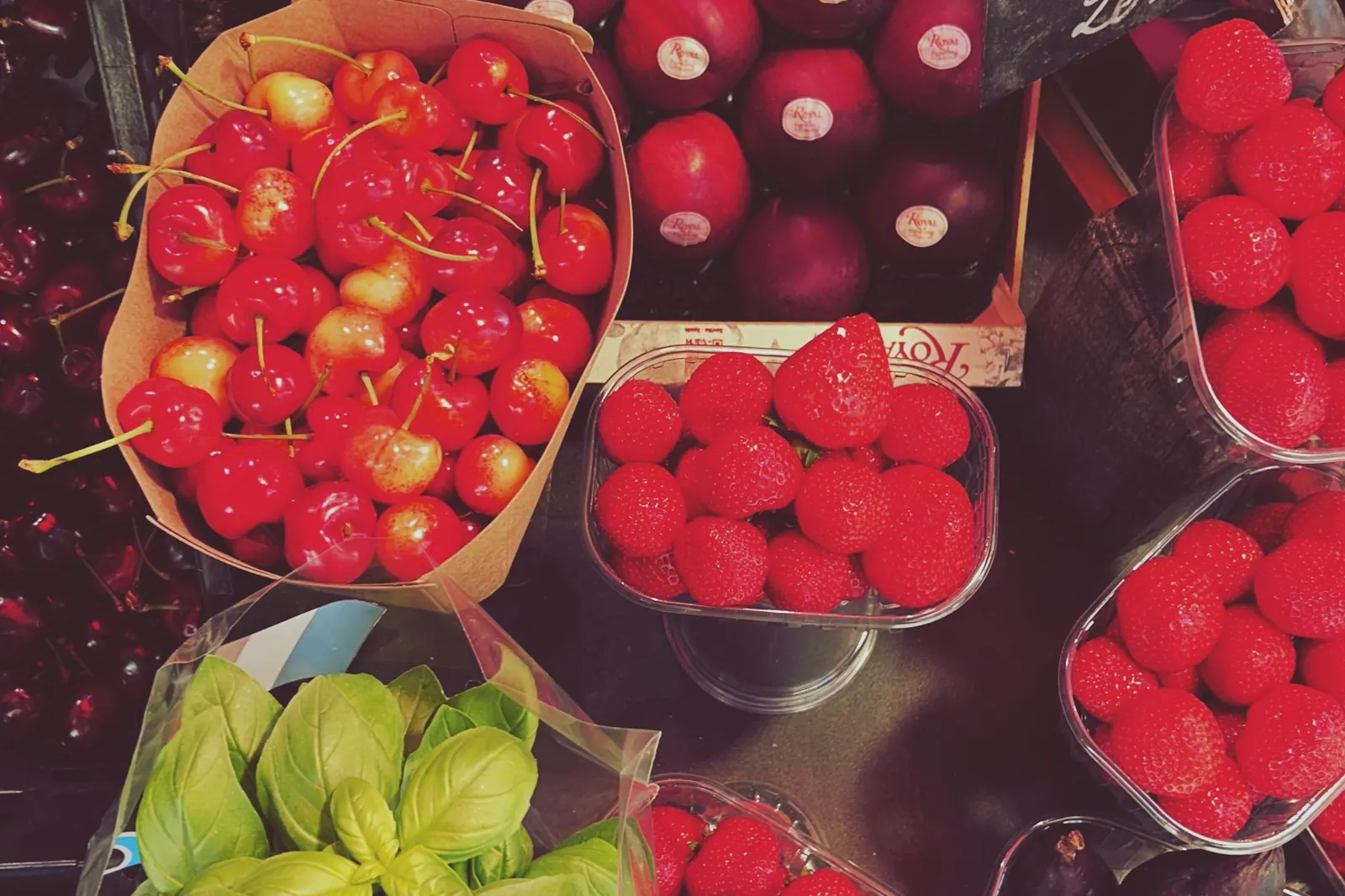
Daily shopping is pleasant and varied. The Rue de Lévis, on the eastern edge, is a lively market street with greengrocers, cheese shops, fishmongers and bakeries, open from Tuesday to Sunday morning. The Marché Berthier, on the Boulevard de Reims, is an open air market held on Wednesday and Saturday mornings. The Rue de Prony, the Avenue de Villiers and the Rue Jouffroy-d'Abbans add delicatessens, florists, pharmacies and boutiques. Supermarkets, banks and post offices are easy to find, and the Mairie of the 17th, on the Rue des Batignolles, handles town hall services.
Education and family life
Families are drawn by the choice of schools. The Lycée Carnot, at 145 boulevard Malesherbes, is a well known public school with both a collège and a lycée, and the Collège Pierre-de-Ronsard, at 140 avenue de Wagram, is another public option. Younger children can attend the École élémentaire Ampère, at 18 rue Ampère, among other local primary schools. Private schools include Sainte-Ursule and the bilingual EIB Wagram, and the Lycée hôtelier Jean-Drouant trains future chefs. Places in public schools are allocated by home address through the Mairie.
Health and medical services
Healthcare is easy to reach. The Hôpital Bichat-Claude-Bernard, a major AP-HP teaching hospital with an emergency department, is a short drive north in the 18th arrondissement. General practitioners, dentists, paediatricians and specialists have practices throughout the area, many of them in the apartment buildings of the Boulevard Malesherbes and the Avenue de Villiers, and many accept the carte Vitale under the French public health system. Pharmacies are found on most main streets. Newcomers should register with a médecin traitant, their declared family doctor, to lower the cost of most consultations.
Transportation and connectivity
The area is very well connected. Villiers station serves metro lines 2 and 3, while Malesherbes, Wagram and Pereire are also on line 3, which runs to Saint-Lazare and the Opéra in a few minutes. Pereire is linked to Pereire-Levallois station on RER C, with direct trains along the Seine. Courcelles and Monceau, on line 2, sit along the southern edge. Several bus routes cross the district, and Gare Saint-Lazare, with suburban and Normandy trains, is close by. Cycle lanes and bike sharing stations make cycling a practical choice.
Leisure, culture, and social life
Parks and green spaces
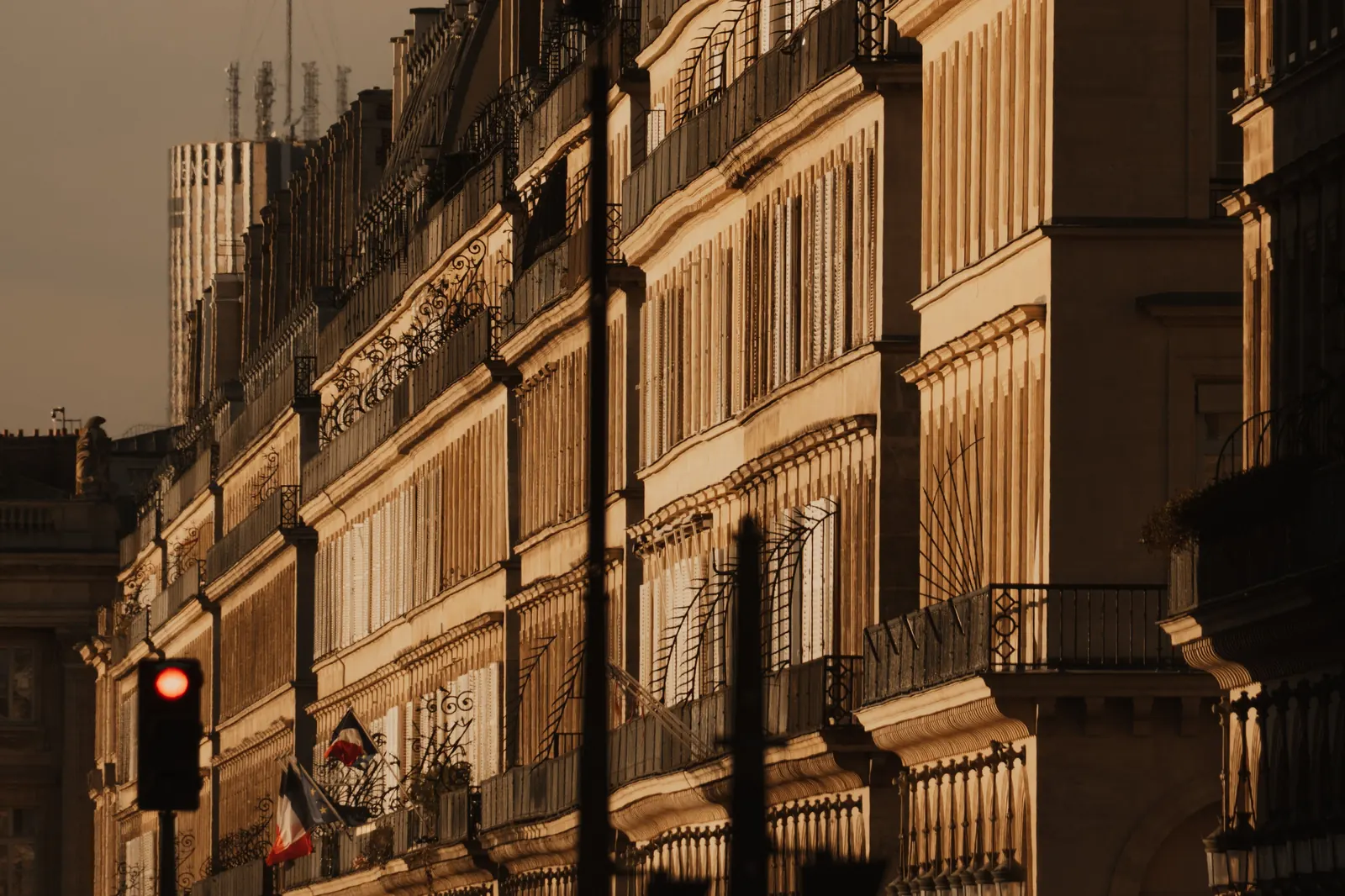
Green space is close to every street. The Parc Monceau, just across the Boulevard de Courcelles in the 8th arrondissement, is one of the most beautiful parks in Paris, with its colonnade, pond, lawns and playgrounds. The Promenade Pereire runs as a long planted garden along the Boulevard Pereire, above the RER tracks, and is ideal for an evening walk. The lawns and statues of the Place du Général-Catroux and the small squares of the area offer quiet corners, while the Square des Batignolles is a short walk east.
Restaurants, cafés, and nightlife
Eating out is relaxed and neighbourly. Le Café Bleu, at 34 avenue de Villiers, is a French bistro open every day from breakfast until late, known for its homemade classics. Le Bistrot d'Yves, at 53 rue de Prony, serves traditional French cooking, and Le Petit Villiers, at 75 avenue de Villiers, is a friendly local brasserie. The Rue de Lévis and the Place de Wagram add cafés, wine bars and bakeries with terraces. Nightlife is calm, so evenings revolve around dinners with friends rather than late bars, which suits families.
Culture and local events
Culture has a refined, intimate feel. The Musée national Jean-Jacques Henner, at 43 avenue de Villiers, occupies a painter's mansion and displays the work of Henner in richly decorated rooms, opening every day except Tuesday. The Salle Cortot, at 78 rue Cardinet, is a celebrated concert hall attached to the École normale de musique de Paris and hosts recitals throughout the year. The Église Saint-François-de-Sales, near the Rue Ampère, is the parish church of the district, and the monuments of the Place du Général-Catroux make an open air gallery.
Ready to make this neighborhood home? Explore our fully furnished apartments, designed for living, not just staying, and move in with nothing but your suitcase.

Unique and varied interior designs to match your style
Our friendly team is here to help. And if you prefer write us to hello@ukio.com
MESSAGE US ON WHATSAPP
LET US KNOW YOUR PREFERENCES