Paris
Understanding life in Saint-Ambroise
Why people choose to live here
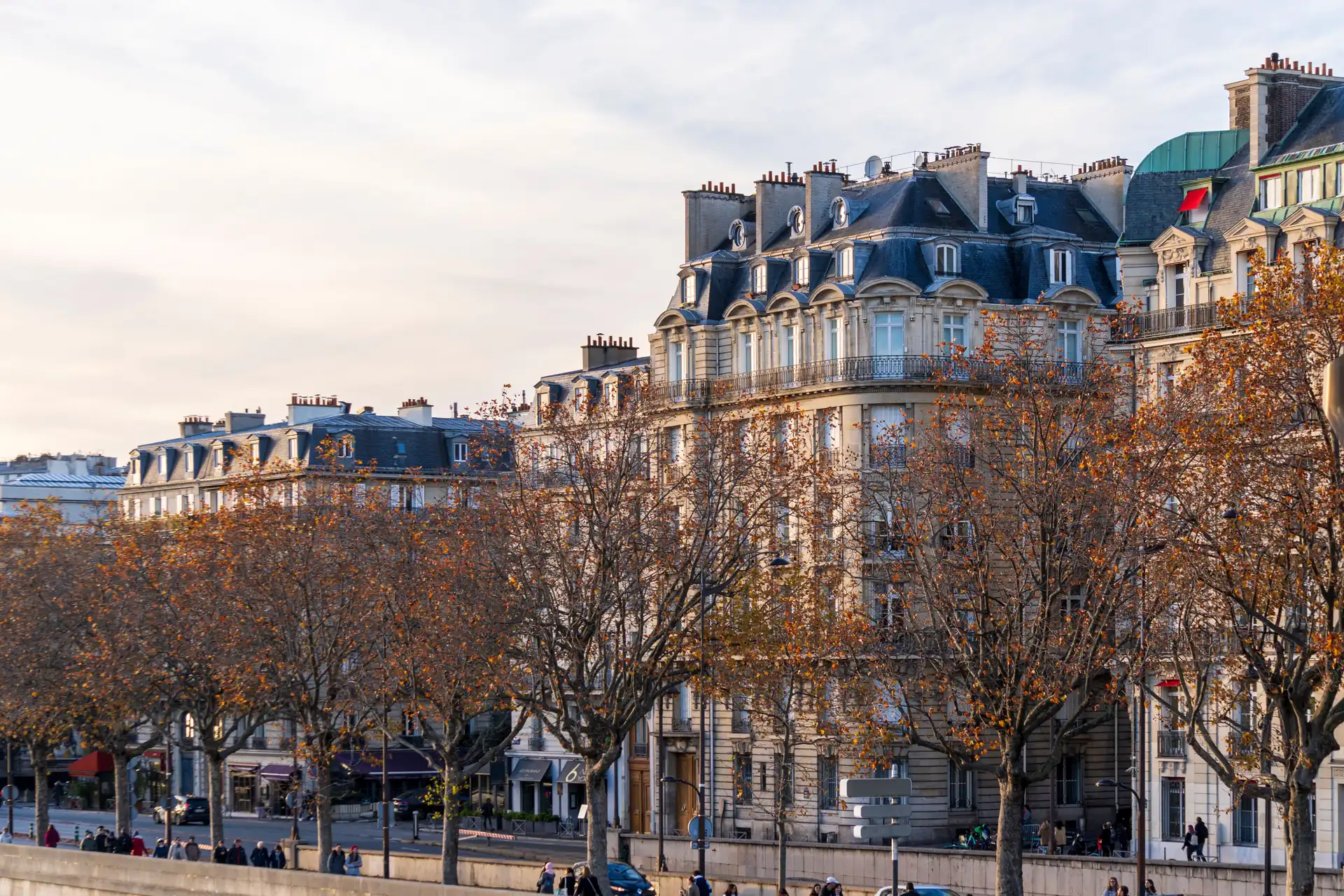
Saint-Ambroise lies in the heart of the 11th arrondissement, between the Rue Oberkampf to the north and the Rue du Chemin-Vert to the south, stretching from the Boulevard Richard-Lenoir east towards Ménilmontant. Crossed by the Boulevard Voltaire, it is a lively, very residential part of eastern Paris, with busy cafés, independent shops and calm side streets. Young professionals, creatives and families choose it for its neighbourhood spirit, its markets and gardens, its strong metro links and prices that remain more accessible than in the nearby Marais.
History and architectural character of Saint-Ambroise
The area grew from the old village of Popincourt, where the Annonciades nuns built a convent chapel in the 17th century. When Haussmann opened the Boulevard du Prince-Eugène, now the Boulevard Voltaire, in 1862, the chapel was replaced by the Église Saint-Ambroise, built from 1863 to 1868 by Théodore Ballu, with two spires 68 metres high. The Bataclan, built in 1864 as a café-concert in a Chinese inspired style, dates from the same period. Workshops and artisans' courtyards then filled the side streets, and many survive as studios and lofts today.
Daily life in Saint-Ambroise
Shopping and local services
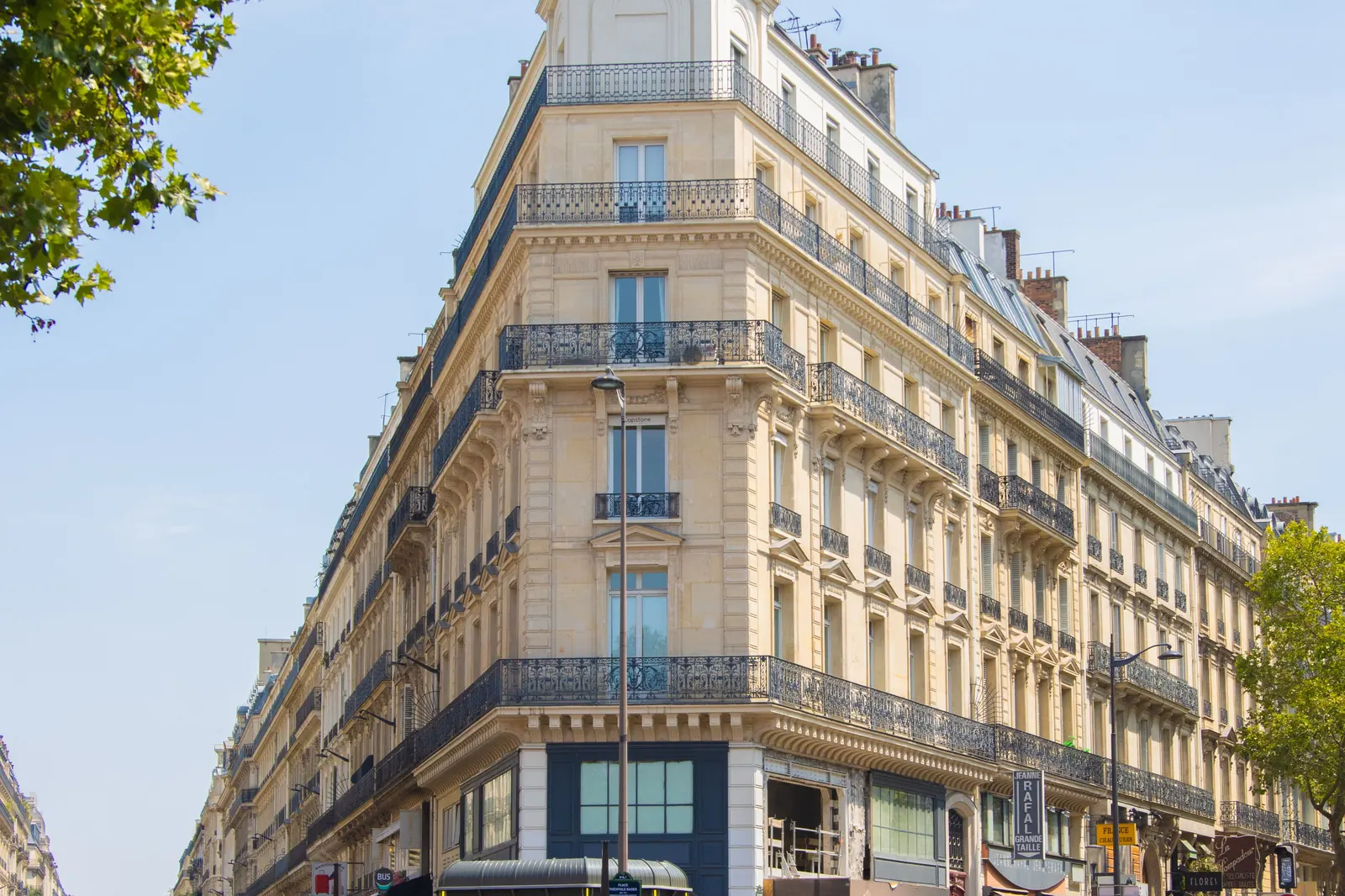
Daily shopping is easy on foot. The Marché Popincourt sets up on the Boulevard Richard-Lenoir, between the Rue Oberkampf and the Rue Jean-Pierre-Timbaud, on Tuesday and Friday mornings, with produce, fish, cheese and flowers. Further south on the same boulevard, the large Marché Bastille runs on Thursday and Sunday mornings. The Rue Oberkampf, the Rue Saint-Maur and the Avenue Parmentier are lined with bakeries, greengrocers, wine shops and organic stores. Supermarkets, pharmacies, banks and post offices are all within a few minutes on foot.
Education and family life
Families have good options nearby. The École élémentaire Pihet, at 1 rue Pihet, and the École maternelle Alphonse-Baudin, on the Rue Alphonse-Baudin, are among the local public primary schools. The Lycée Voltaire, at 101 avenue de la République, is a well known public school with both collège and lycée classes. Private options include the Charles-Péguy schools on the Avenue de la République and the Rue Amelot. Public school places are allocated by home address through the Mairie, and the Square Maurice-Gardette is a favourite after school playground.
Health and medical services
Healthcare is close at hand. The Hôpital Saint-Louis, a major AP-HP teaching hospital in the 10th arrondissement, is reachable in about 15 minutes, and the Hôpital Saint-Antoine, in the 12th, is a short metro ride south, both with emergency departments. General practitioners, dentists and specialists practise throughout the area, and many accept the carte Vitale under the French public health system. Pharmacies line the Boulevard Voltaire, the Avenue de la République and the Rue Oberkampf. Newcomers should register with a médecin traitant to lower the cost of most consultations.
Transportation and connectivity
Getting around is simple. Saint-Ambroise station, on the Boulevard Voltaire, is on metro line 9, and Oberkampf, on the northern edge, serves lines 5 and 9. Richard-Lenoir is on line 5, Parmentier and Rue Saint-Maur on line 3, and Saint-Sébastien-Froissart and Chemin Vert on line 8. République, with five metro lines, is about ten minutes on foot, and Gare de Lyon and Gare de l'Est are only a few stops away. Buses run along the Boulevard Voltaire and the Avenue de la République, and Vélib stations are found on most main streets.
Leisure, culture, and social life
Parks and green spaces
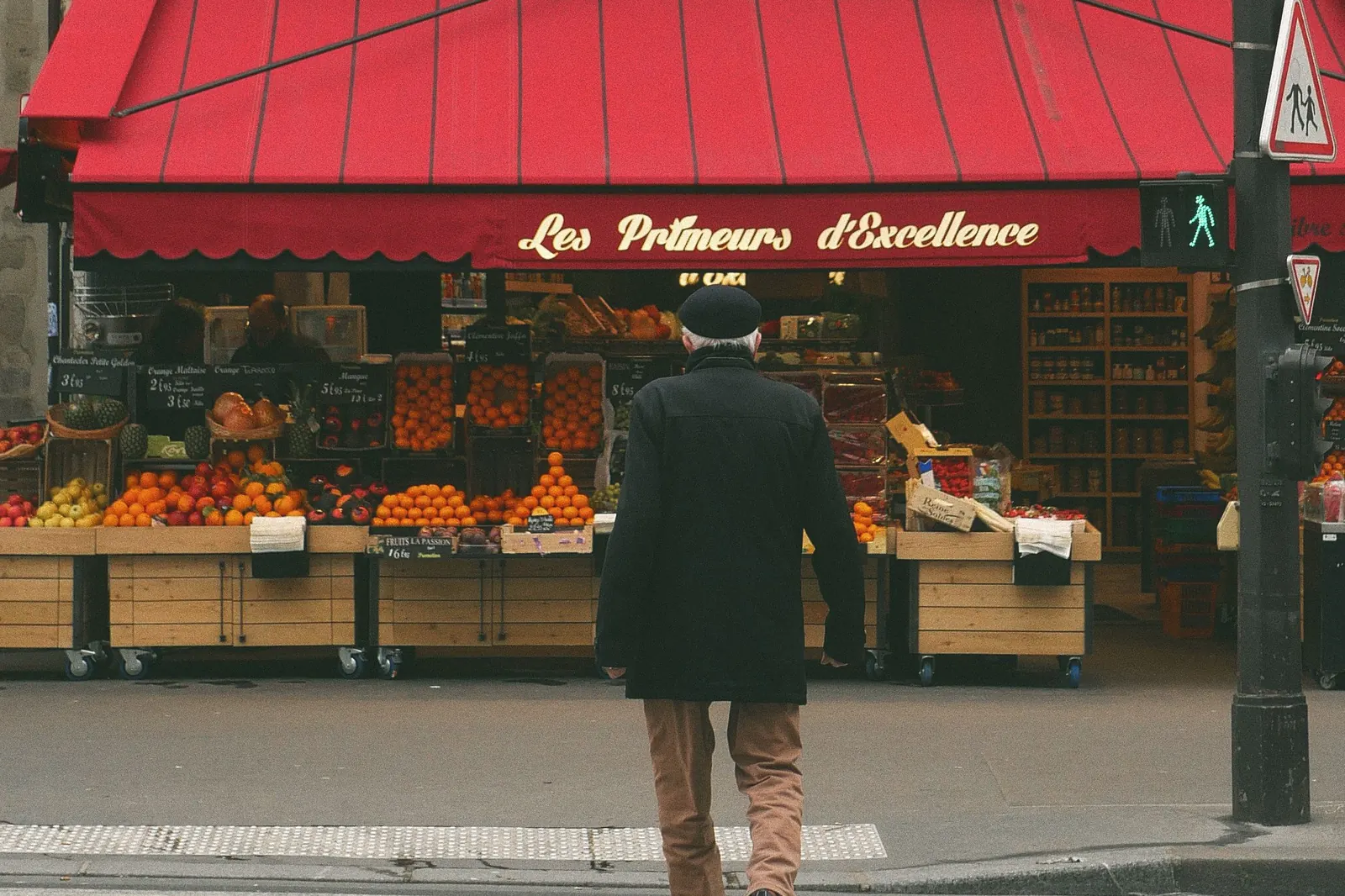
The Square Maurice-Gardette, on the Rue du Général-Blaise, is the green heart of the area. This Haussmann era garden, laid out on the site of a former slaughterhouse, has a bandstand from 1899, a pond, remarkable trees, ping-pong tables and an inclusive playground renewed in 2025. A small square in front of the Église Saint-Ambroise offers benches and shade. The planted central reservation of the Boulevard Richard-Lenoir, laid over the covered Canal Saint-Martin, provides a long promenade, and the open air canal quays are a pleasant walk north.
Restaurants, cafés, and nightlife
The area has a lively food and nightlife scene. Le Perchoir, which opened in 2013 on the seventh floor of a former industrial building at 14 rue Crespin-du-Gast, was one of the first rooftop bars in Paris and offers wide views over the city. The Rue Oberkampf is famous for its bars and late night cafés, while the Avenue Parmentier and the Rue Saint-Maur add bistros, natural wine bars and international restaurants. Weekend brunch is popular throughout the area. Main streets stay busy at night, so courtyard flats suit light sleepers.
Culture and local events
The Bataclan, at 50 boulevard Voltaire, is one of the best known concert halls in Paris and reopened in 2016, hosting rock, pop and comedy. The Église Saint-Ambroise, listed as a historic monument, has a grand organ from 1869 and hosts concerts. Just west, on the Rue Amelot, the Cirque d'Hiver, opened in 1852, still stages circus shows in its round hall. Small galleries and artists' studios add to the creative atmosphere, and the Mairie of the 11th organises exhibitions and local events throughout the year.
Ready to make this neighborhood home? Explore our fully furnished apartments, designed for living, not just staying, and move in with nothing but your suitcase.

Unique and varied interior designs to match your style
Our friendly team is here to help. And if you prefer write us to hello@ukio.com
MESSAGE US ON WHATSAPP
LET US KNOW YOUR PREFERENCES