Paris
Understanding life in Saint Victor
Why people choose to live here
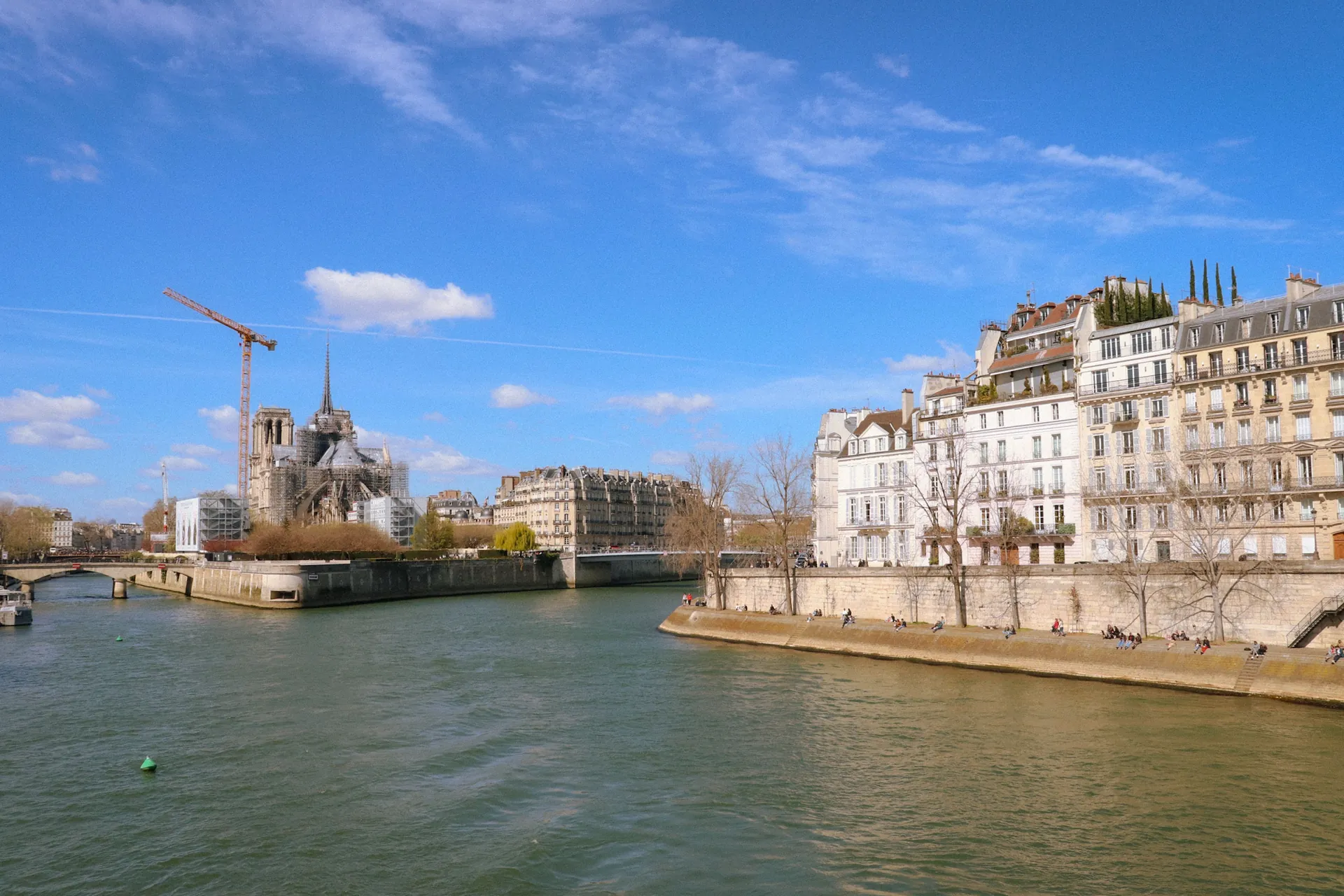
Saint Victor covers the north east of the 5th arrondissement, from the Seine and the Place Maubert up the slopes of the Montagne Sainte-Geneviève to the Place de la Contrescarpe, and east to the Jussieu campus and the Rue Cuvier. It is the quieter side of the Latin Quarter, with narrow medieval streets, stone apartment buildings and small squares. Students, academics, families and professionals choose it for its village feel, its universities and its central location, a short walk from Notre-Dame, the Jardin des Plantes and the Seine.
History and architectural character of Saint Victor
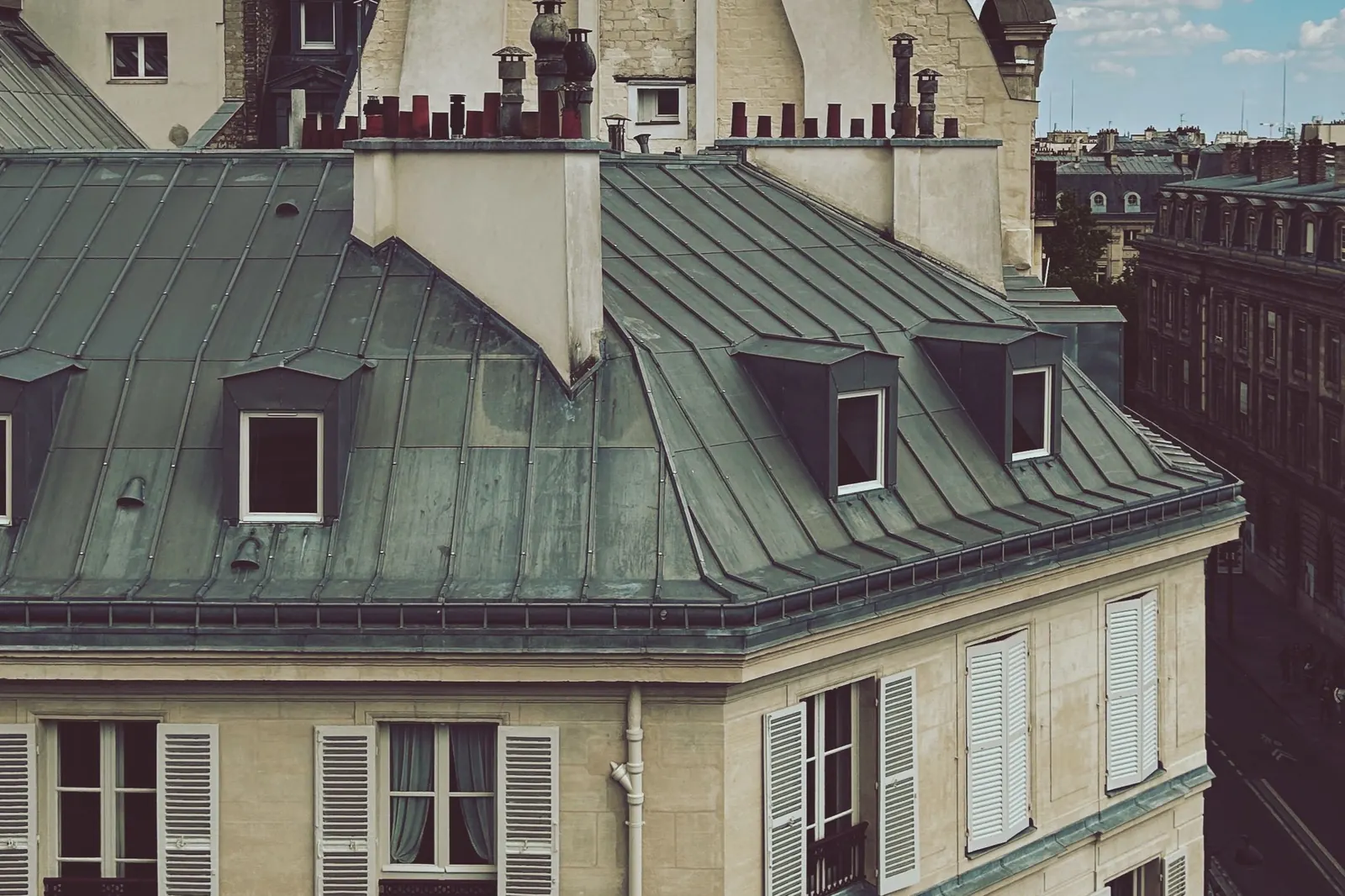
The district takes its name from the Abbey of Saint-Victor, a major centre of learning founded in the 12th century and demolished after the Revolution. Long before, the Romans built the Arènes de Lutèce, an amphitheatre of the 1st century rediscovered in 1869. The Collège des Bernardins, built in the 13th century for Cistercian students, was restored and reopened in 2008. The Jussieu campus rose in the 1960s on the site of the old wine market, and the Institut du monde arabe, designed by Jean Nouvel, opened in 1987.
Daily life in Saint Victor
Shopping and local services
Daily shopping has a village feel. The Marché Maubert, on the Place Maubert, is an open air market held on Tuesday and Thursday mornings and on Saturday, with produce, cheese, fish and flowers. The Rue du Cardinal-Lemoine and the Boulevard Saint-Germain have bakeries, cheese shops, wine merchants and pharmacies, and supermarkets are easy to find. The Marché Monge, just south on the Place Monge, adds Wednesday, Friday and Sunday mornings. Bookshops are everywhere, and the Mairie of the 5th, on the Place du Panthéon, handles town hall services.
Education and family life
Education is at the heart of the district. Sorbonne Université has its science faculty on the Jussieu campus, and the Lycées Henri-IV and Louis-le-Grand are a few streets west. Younger children can attend the École élémentaire Cardinal-Lemoine, at 24 rue du Cardinal-Lemoine, the École Rollin, at 10 rue Rollin, or the École polyvalente Charles-Aznavour, at 21 rue de Pontoise. The Collège Rognoni, on the Rue du Cardinal-Lemoine, is known for teaching children who work in the performing arts. Private schools include Sainte-Geneviève and Saint-Victor.
Health and medical services
Healthcare is close at hand. The Hôpital de la Pitié-Salpêtrière, one of the largest AP-HP teaching hospitals in Europe, with an emergency department, is just across the Jardin des Plantes in the 13th arrondissement. The Hôtel-Dieu, on the Île de la Cité, is a short walk across the river. General practitioners, dentists and specialists practise throughout the area, and many accept the carte Vitale under the French public health system. Newcomers should register with a médecin traitant, their declared family doctor, to lower the cost of most consultations.
Transportation and connectivity
The area is well connected. Maubert-Mutualité and Cardinal Lemoine are on metro line 10, Jussieu serves lines 7 and 10, and Place Monge, on line 7, is just beyond the southern edge. Saint-Michel Notre-Dame, a short walk west, offers RER B and C, with direct trains to Charles de Gaulle airport on RER B. Gare d'Austerlitz, just east across the Jardin des Plantes, has trains to the centre and south west of France. Buses run along the Boulevard Saint-Germain and the quays, and riverside cycle lanes make cycling easy.
Leisure, culture, and social life
Parks and green spaces
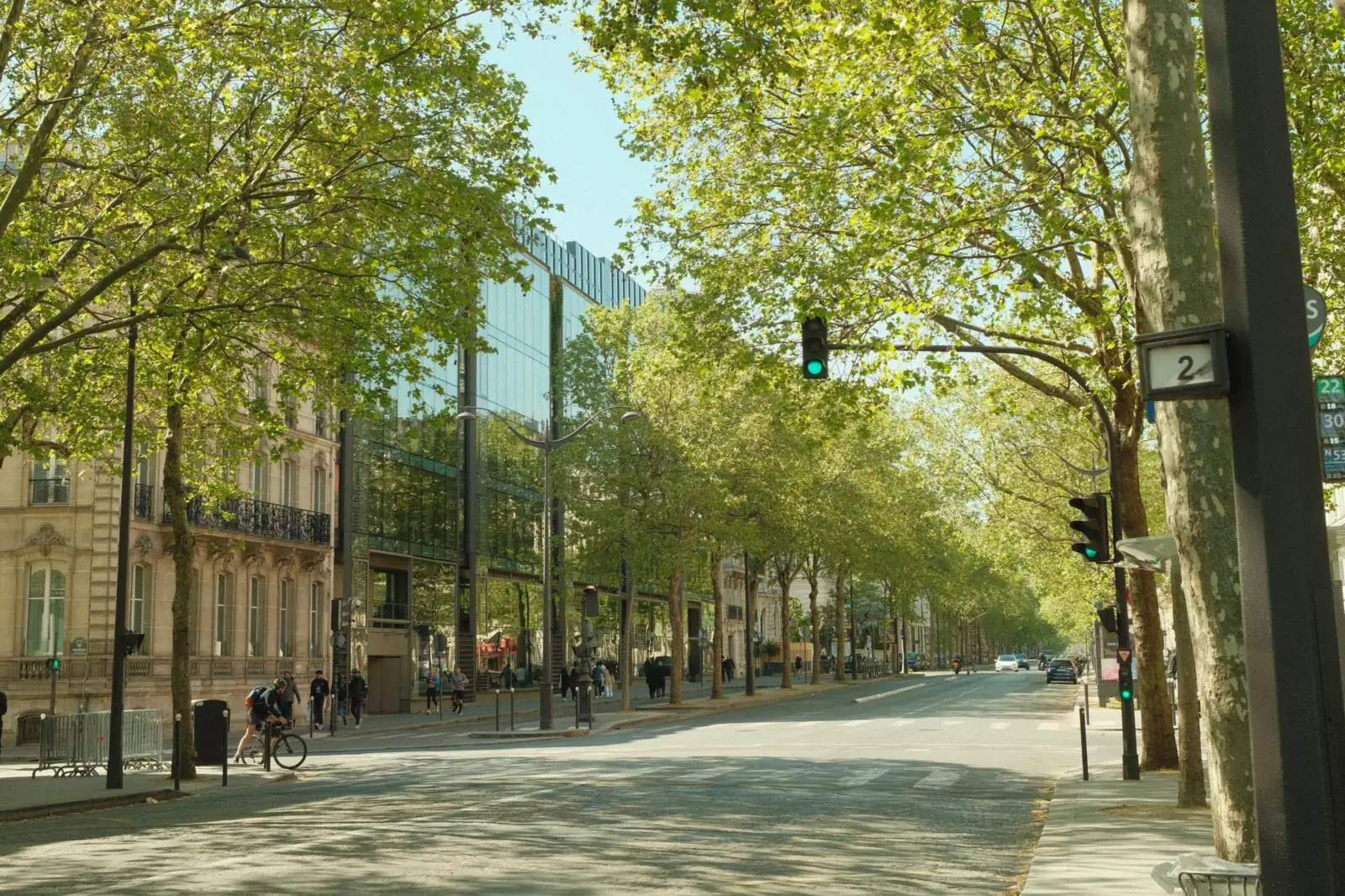
Green spaces are full of history. The Arènes de Lutèce, with its Roman stands and sandy arena, is a public garden where locals play pétanque and children run around, and the adjoining Square Capitan adds shade. The Square Paul-Langevin, on the Rue Monge, is a quiet garden with statues. The Jardin des Plantes, with its botanical gardens, greenhouses and zoo, is just beyond the Rue Cuvier, and the Seine quays and the open air sculpture garden of the Jardin Tino-Rossi are perfect for evening walks.
Restaurants, cafés, and nightlife
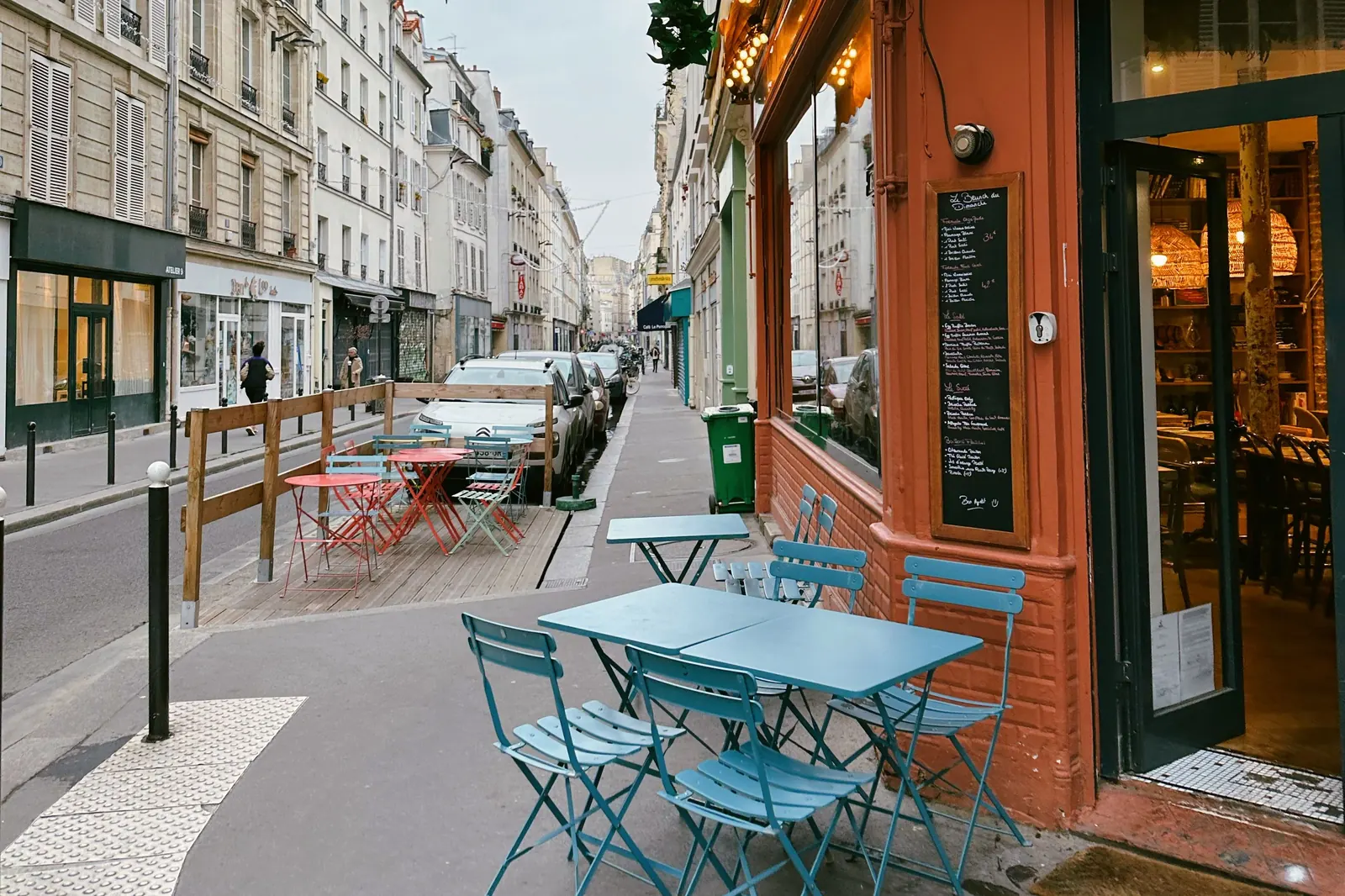
Eating out is relaxed and varied. Chez René, at 14 boulevard Saint-Germain, is a classic bistro open since 1957, serving Lyonnais dishes from Tuesday to Saturday. Le Buisson Ardent, at 25 rue Jussieu, is a friendly French bistro open every day for lunch and dinner. La Tour d'Argent, on the Quai de la Tournelle, is one of the most famous restaurants in Paris, with views over Notre-Dame. The cafés of the Place de la Contrescarpe and the Rue du Cardinal-Lemoine stay busy with students late into the evening.
Culture and local events
Culture is everywhere. The Institut du monde arabe, at 1 rue des Fossés-Saint-Bernard, houses a museum of Arab art and civilisation, open Tuesday to Sunday, and its rooftop terrace offers sweeping views over the Seine. The Collège des Bernardins, on the Rue de Poissy, hosts exhibitions, concerts and lectures in its Gothic halls. The Maison de la Mutualité, on the Rue Saint-Victor, holds conferences and events, and Ernest Hemingway lived at 74 rue du Cardinal-Lemoine in the early 1920s. Bookshops and small cinemas add to the scene.
Ready to make this neighborhood home? Explore our fully furnished apartments, designed for living, not just staying, and move in with nothing but your suitcase.

Unique and varied interior designs to match your style
Our friendly team is here to help. And if you prefer write us to hello@ukio.com
MESSAGE US ON WHATSAPP
LET US KNOW YOUR PREFERENCES