Paris
.jpg)
Understanding life in Tour Eiffel
Why People Choose to Live Here
Living near the Eiffel Tower places you at the symbolic heart of Paris without sacrificing calm. Beyond the monument’s silhouette, the neighborhood feels composed, residential, and secure. Wide avenues, dignified façades, and a steady rhythm define daily life. You walk to cafés, schools, and the river within minutes. Residents include diplomats, international executives, and families seeking stability in a central setting. Compared to busier districts like Saint-Germain or Le Marais, this area offers prestige with breathing space.
History and Architectural Character of Tour Eiffel
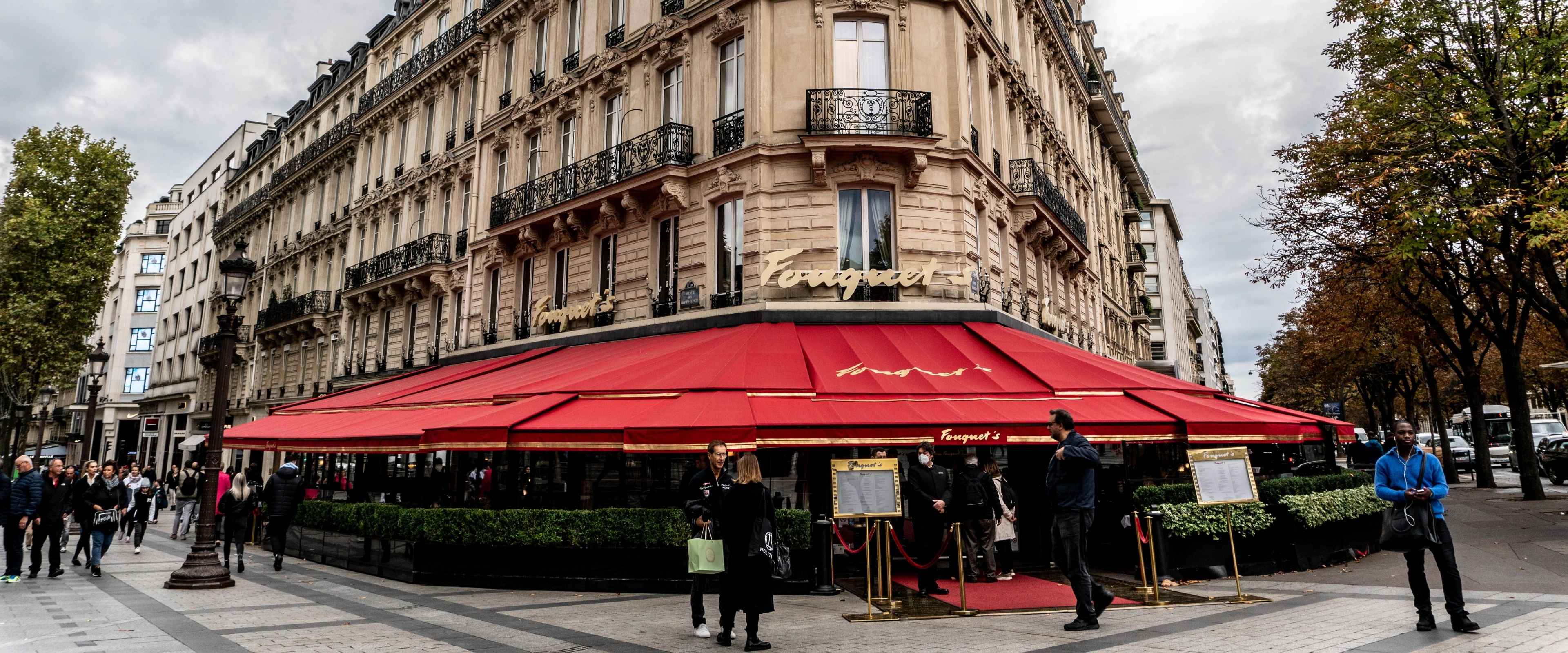
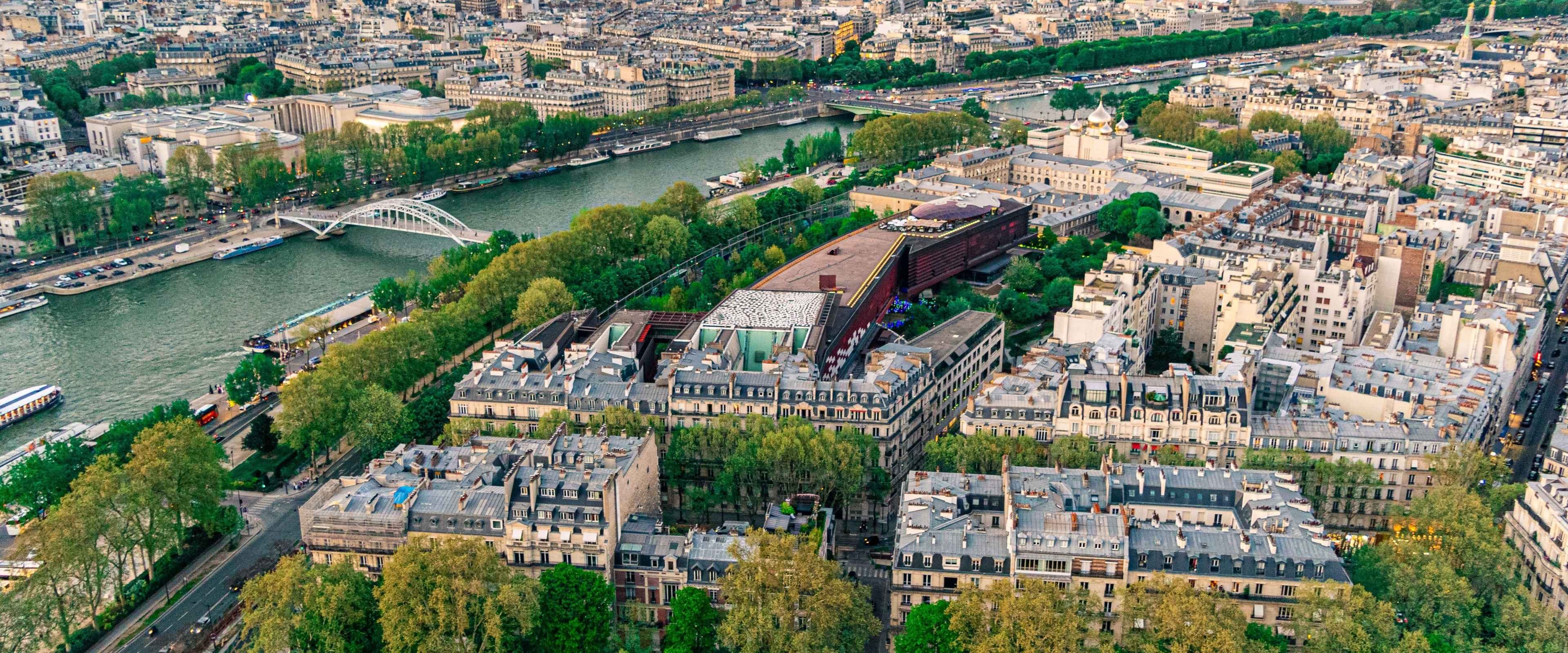
The neighborhood’s identity crystallized after the construction of the Eiffel Tower for the 1889 Exposition Universelle. Around it, the 7th arrondissement evolved into a refined residential quarter shaped by Haussmannian urban planning. Expect stone façades, wrought-iron balconies, tall windows, and generous proportions. Avenues such as Avenue de Suffren and the quays along the Seine reinforce a sense of scale and openness. The expansive lawns of the Champ de Mars anchor the district, framing daily life with greenery and monumental views.
.jpg)
Daily Life in Tour Eiffel
Shopping and Local Services
Daily routines unfold on streets like Rue Saint-Dominique and Rue Cler. Here, independent bakeries, cheesemongers, and wine shops serve a loyal local clientele. Open-air produce stalls animate the mornings, while pharmacies and specialty grocers remain within walking distance. You rely on neighborhood commerce rather than large retail centers. This proximity shapes a practical lifestyle: groceries on foot, coffee at the corner café, essentials handled within a few blocks. Convenience is embedded in the urban fabric.
Education and Family Life
Families benefit from a calm environment and reputable schools within the 7th arrondissement. Public primary schools, private institutions, and bilingual options serve both local and international households. The Champ de Mars functions as an everyday playground, offering space to run, cycle, and gather. Streets are orderly, and the residential profile supports a strong sense of safety. For families planning medium- to long-term stays, the district balances academic access, outdoor space, and central positioning.
Health and Medical Services
Healthcare infrastructure is solid and accessible. General practitioners, dental clinics, and pharmacies are distributed throughout the neighborhood. For advanced care, residents are close to major facilities such as Hôpital Européen Georges-Pompidou across the Seine. Many practitioners are accustomed to working with international patients. Routine consultations, pediatric appointments, and prescriptions are managed locally, while specialized services remain within short reach by metro or car.
Transportation and Connectivity
Metro line 6 serves the area at Bir-Hakeim, and line 8 operates from École Militaire. The RER C stops at Champ de Mars–Tour Eiffel, connecting directly to central Paris and destinations such as Versailles. Several bus routes cross the district, linking you to Invalides, Saint-Germain, and beyond. The flat terrain encourages walking and cycling along the Seine. Access to business hubs, including La Défense, remains efficient. On-street parking exists but is limited, reinforcing reliance on public transport.
.jpg)
Leisure, Culture, and Social Life
Parks and Green Spaces
The Champ de Mars defines outdoor life. Morning joggers trace its paths, families picnic on the grass, and children use its playgrounds year-round. Along the Seine, pedestrian quays offer uninterrupted walking and cycling routes. Smaller residential squares provide quieter corners away from tourist flows. Green space here is not ornamental; it is functional and woven into daily habits.
Restaurants, Cafés, and Nightlife
Evenings lean toward elegance rather than intensity. Dining is the main attraction. Addresses such as Café Constant, Le Violon d'Ingres, Les Cocottes, and 58 Tour Eiffel reflect the area’s culinary reputation. Wine bars and traditional cafés along Rue Saint-Dominique create a steady, relaxed evening atmosphere. Streets remain active yet composed, with limited nightlife noise compared to other central districts.
Culture and Local Events
Cultural presence is subtle but constant. The nearby Musée du quai Branly – Jacques Chirac and Musée de l'Armée enrich the neighborhood with exhibitions and public programming. Occasional markets and seasonal events animate local squares. Rather than large festivals, the district offers proximity to major institutions within a residential setting. The City of Paris cultural calendar provides updated information on neighborhood-scale activities.
.jpg)
Ready to make this neighborhood home? Explore our fully furnished apartments, designed for living, not just staying, and move in with nothing but your suitcase.

Unique and varied interior designs to match your style
Our friendly team is here to help. And if you prefer write us to hello@ukio.com
MESSAGE US ON WHATSAPP
LET US KNOW YOUR PREFERENCES