Barcelona
Understanding life in El Gòtic
Why people choose to live here
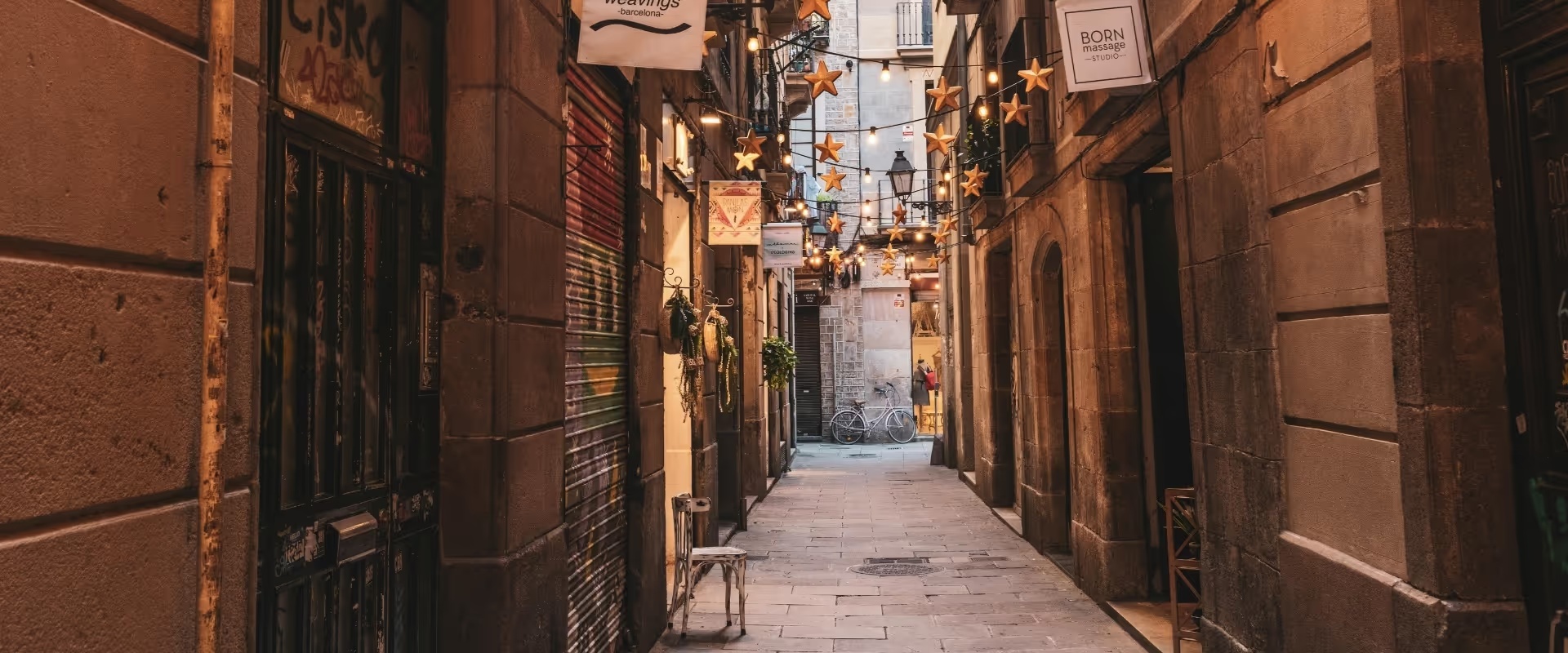
El Gòtic is where Barcelona began, and you feel it every day. Set in Ciutat Vella, this neighborhood offers a rare intensity: history under your feet, vibrant streets outside your door, and the sea just minutes away. You live surrounded by stone façades, hidden courtyards, and cafés that spill into narrow alleys. Residents are often creatives, entrepreneurs, remote workers, and expats who want to experience the city at its most authentic. You trade large avenues for labyrinthine charm, quiet suburbs for constant energy, and in return you gain proximity to everything.
History and Architectural Character of El Gòtic
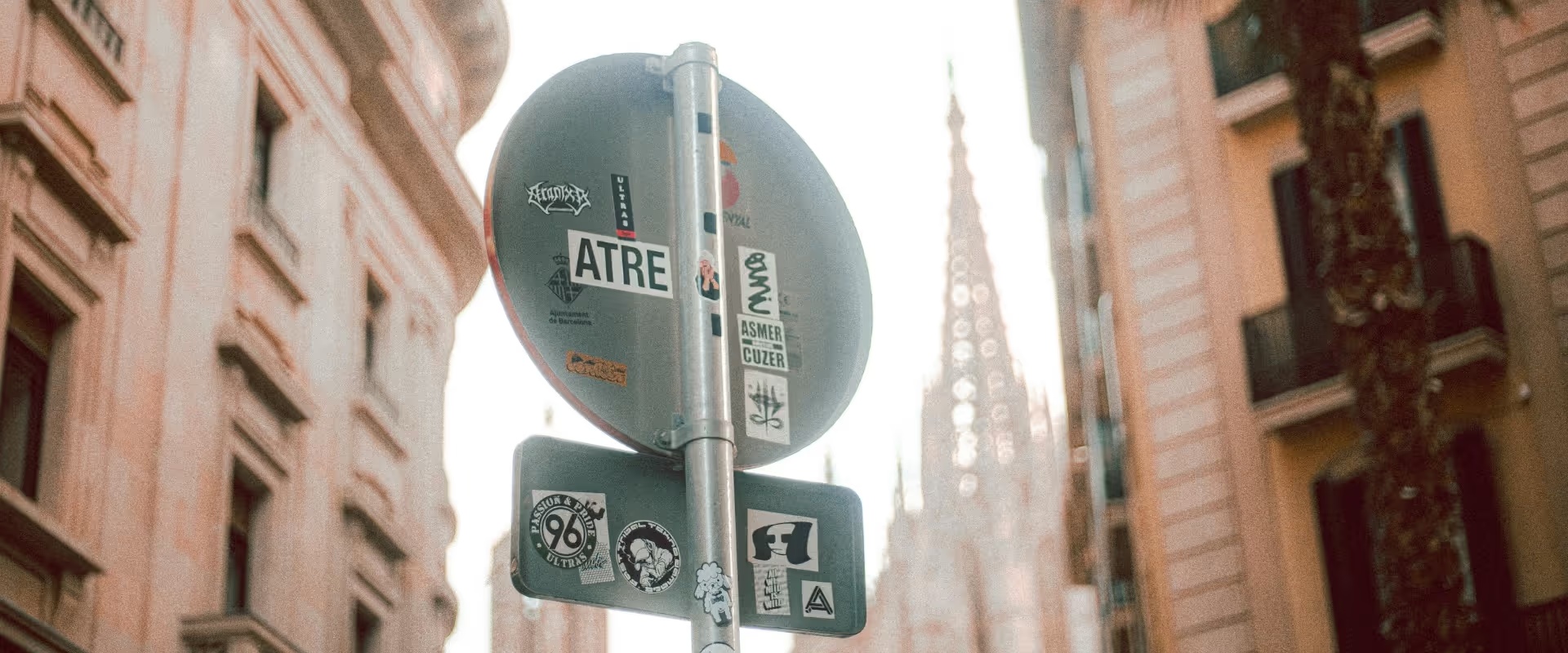
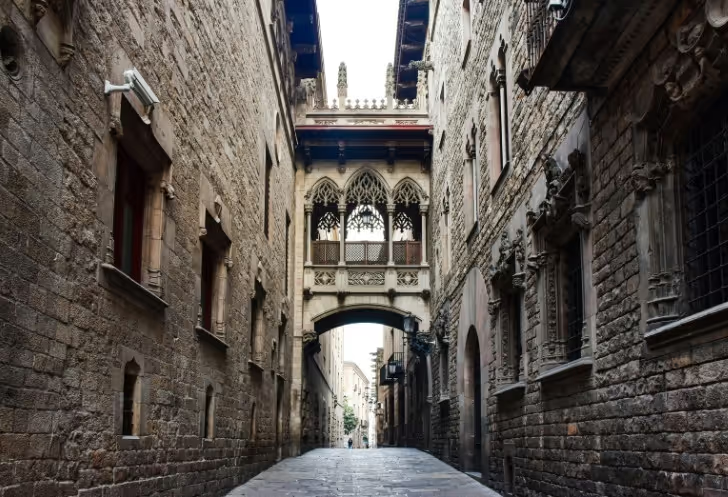
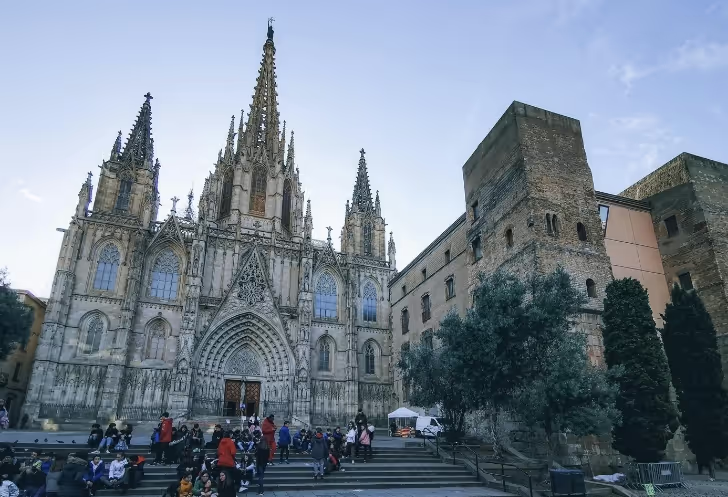
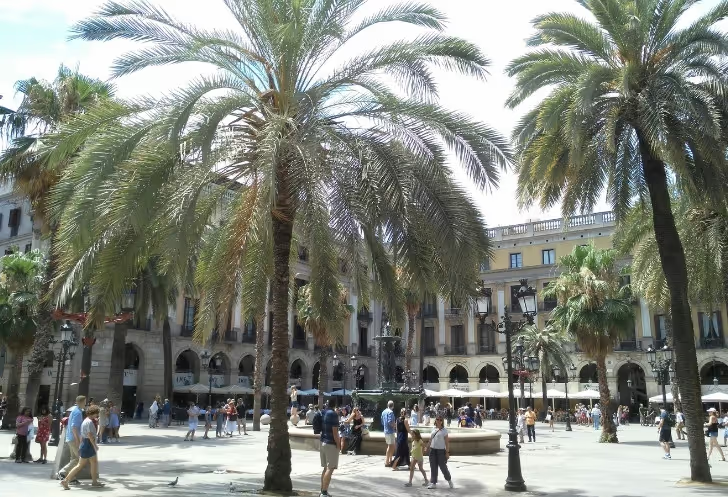
El Gòtic is Barcelona’s medieval heart. Roman ruins lie beneath its streets, and Gothic architecture shapes its skyline, especially around Barcelona Cathedral. Political life centers on Plaça Sant Jaume, while Plaça Reial opens into a grand, arcaded square lined with palm trees. Buildings feature stone walls, interior patios, wooden beams, and wrought-iron balconies. Many apartments sit within carefully restored historic structures, where centuries-old details coexist with contemporary renovations. Living here means inhabiting layers of time without giving up modern comfort.
Daily Life in El Gòtic
Shopping and Local Services
Daily life unfolds within a few blocks. Small grocery stores, organic markets, bakeries, and specialty shops line streets like Carrer Avinyó and Carrer de la Boqueria. Fresh produce, seafood, and local delicacies are available at Mercat de la Boqueria, just on the edge of the neighborhood. Pharmacies, hardware stores, and essential services are integrated into the urban fabric. You rely on walkability rather than large shopping centers. Deliveries are common due to pedestrian streets and limited car access. Convenience here is not suburban scale, but dense and immediate.
Education and Family Life
While El Gòtic is more known for culture than playgrounds, families do choose it for its centrality and access to services. Public and private schools operate within Ciutat Vella, and international schools are reachable by metro. Small squares offer informal play areas, and larger green spaces are a short walk away. The neighborhood suits families who value exposure to culture, museums, and city life. Apartments vary in size, and many historic buildings lack elevators, so careful selection matters for long-term stays.
Health and Medical Services
Healthcare access is practical and well distributed. Local pharmacies are abundant, and primary care centers serve residents within Ciutat Vella. For specialized or emergency treatment, hospitals such as Hospital del Mar and Hospital Clínic de Barcelona are reachable within 15–20 minutes by public transport. Private clinics and dental practices are located in and around the neighborhood. Day-to-day needs are manageable without leaving the district.
Transportation and Connectivity
Despite its medieval layout, El Gòtic is exceptionally connected. Metro stations Jaume I (L4) and Liceu (L3) sit within the neighborhood, while Catalunya (L1, L3) is just steps away. Multiple bus lines run along Via Laietana and La Rambla. The area is largely pedestrian, with restricted vehicle access and minimal on-street parking. Cycling is common, supported by Bicing stations nearby. From here, you can walk to the beach in under 15 minutes and reach business districts like Eixample in less than 10 minutes by metro. Centrality defines daily mobility.
Leisure, Culture, and Social Life
Parks and Green Spaces
Green space appears in intimate forms: shaded squares, quiet cloisters, and terraces tucked between stone façades. Plaça Reial provides palm-lined seating, while nearby Parc de la Ciutadella offers open lawns, running paths, and playgrounds within walking distance. The seafront is equally accessible, adding a coastal dimension to urban living. Outdoor life here is not expansive but atmospheric, shaped by plazas and waterfront promenades rather than residential parks.
Restaurants, Cafés, and Nightlife
Evenings in El Gòtic are alive with conversation and music. Historic venues like Els Quatre Gats reflect the neighborhood’s artistic legacy, while tapas bars such as El Xampanyet and Bodega La Palma draw steady local crowds. Brunch spots like Milk Bar & Bistro mix international flair with Catalan tradition. The atmosphere remains animated late into the night, particularly near La Rambla. You live within the city’s social pulse.
Culture and Local Events
Culture is woven into daily routines. Museums such as Museu d'Història de Barcelona reveal the Roman foundations beneath your feet. Street performers, artisan markets, and neighborhood festivals regularly transform plazas into stages. During city-wide celebrations like La Mercè, El Gòtic becomes a central backdrop. The district functions as an open-air museum and living community at once, shaped by both residents and visitors.
Ready to make this neighborhood home? Explore our fully furnished apartments, designed for living, not just staying, and move in with nothing but your suitcase.

Unique and varied interior designs to match your style
Our friendly team is here to help. And if you prefer write us to hello@ukio.com
MESSAGE US ON WHATSAPP
LET US KNOW YOUR PREFERENCES