Lisbon
Understanding life in Entrecampos
Why people choose to live here
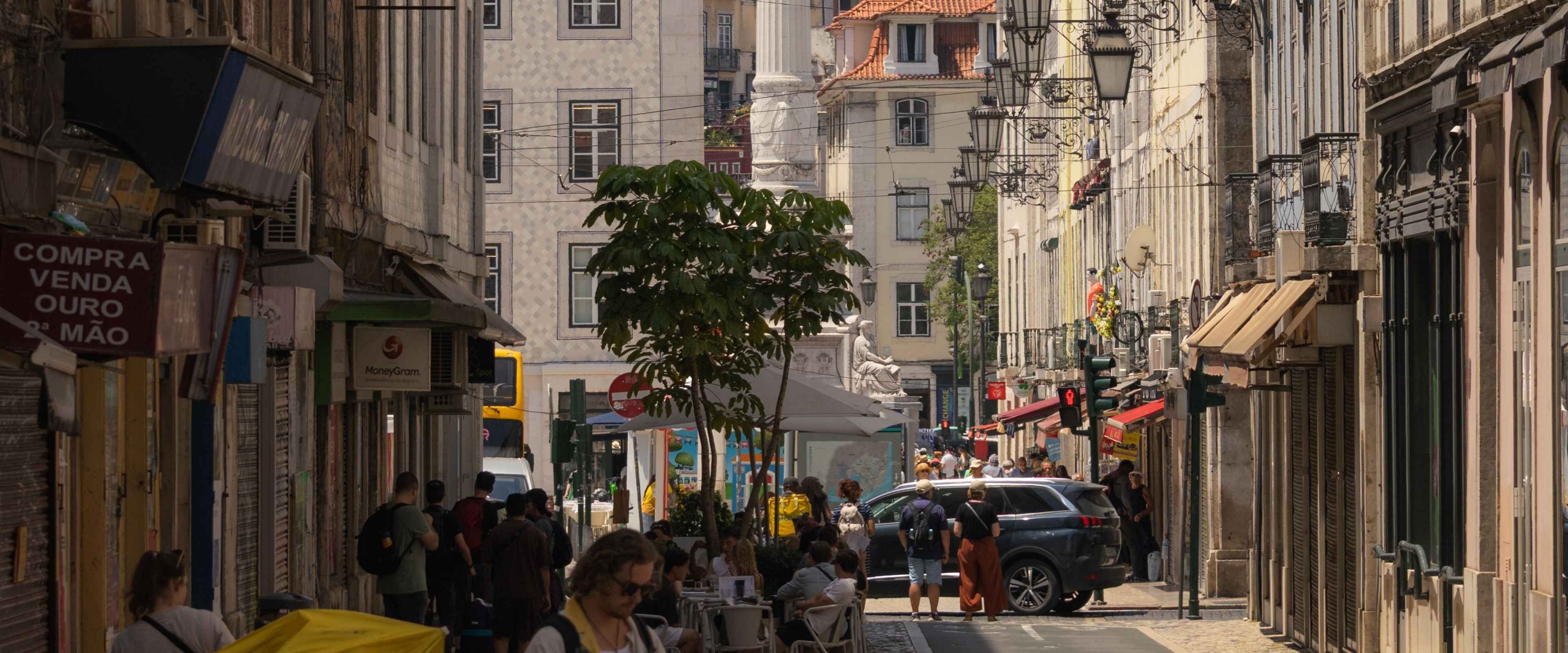
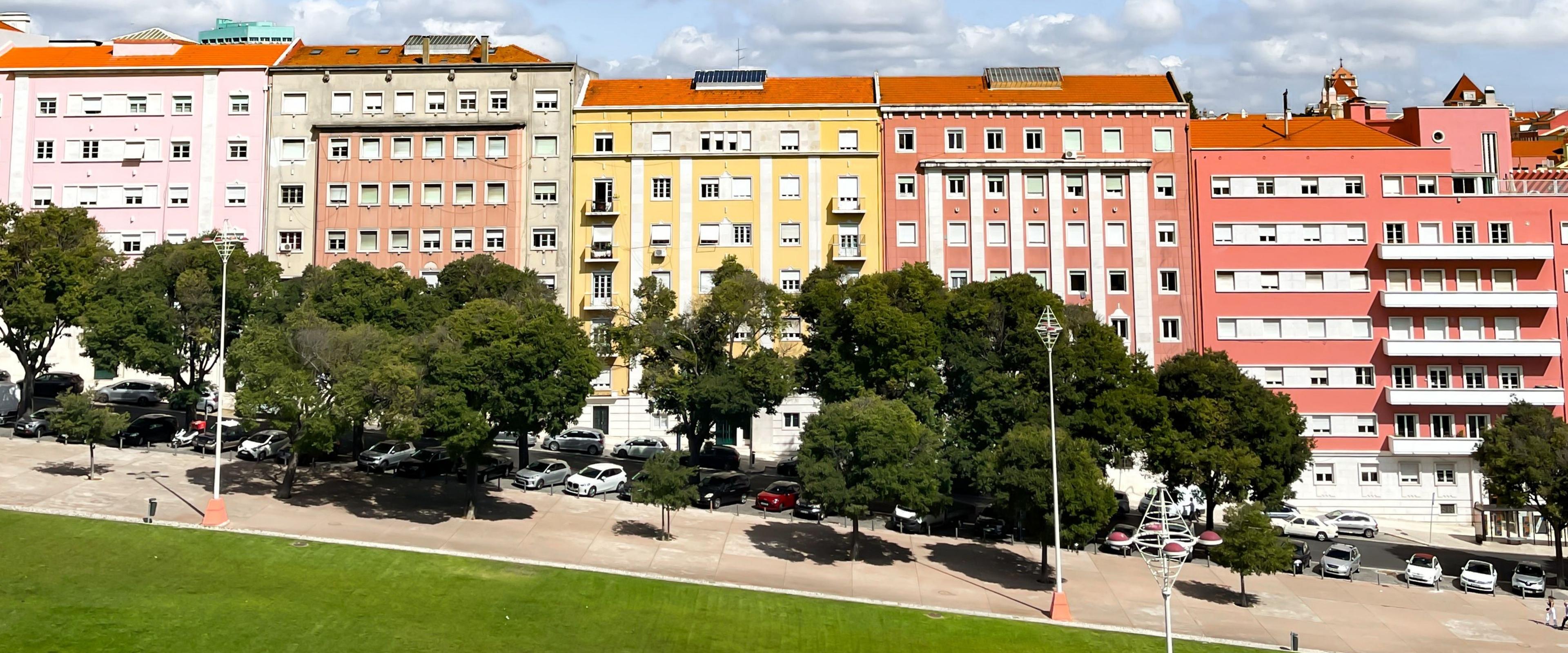
Entrecampos sits at the northern edge of Avenidas Novas, between Campo Grande and Campo Pequeno. What sets it apart from quieter Alvalade or busier Saldanha is its role as a transport pivot, so you can reach almost anywhere in minutes. Streets are wide, flat, and walkable. Young professionals, university staff, students (ISCTE and Lusófona are close), and international newcomers gravitate here for spacious 1960s apartments and central yet calm living. Weekends feel relaxed while rush hours get busy. Safety is solid for a central district, and daily errands rarely need a car.
History and architectural character of Entrecampos
"Entrecampos" means "between the fields," a reminder of when this was open land north of the old city. It took shape during the early twentieth-century Avenidas Novas expansion, Lisbon's planned grid of broad avenues, then filled out with practical residential blocks in the 1960s. You can read that layering on the street: mid-century apartment buildings with generous balconies standing beside newer office towers. Praça de Entrecampos anchors the area, and the former Feira Popular fairground site is now becoming a large mixed-use district. Avenida da República and Avenida dos Estados Unidos da América frame the neighbourhood's edges.
Daily life in Entrecampos
Shopping and local services
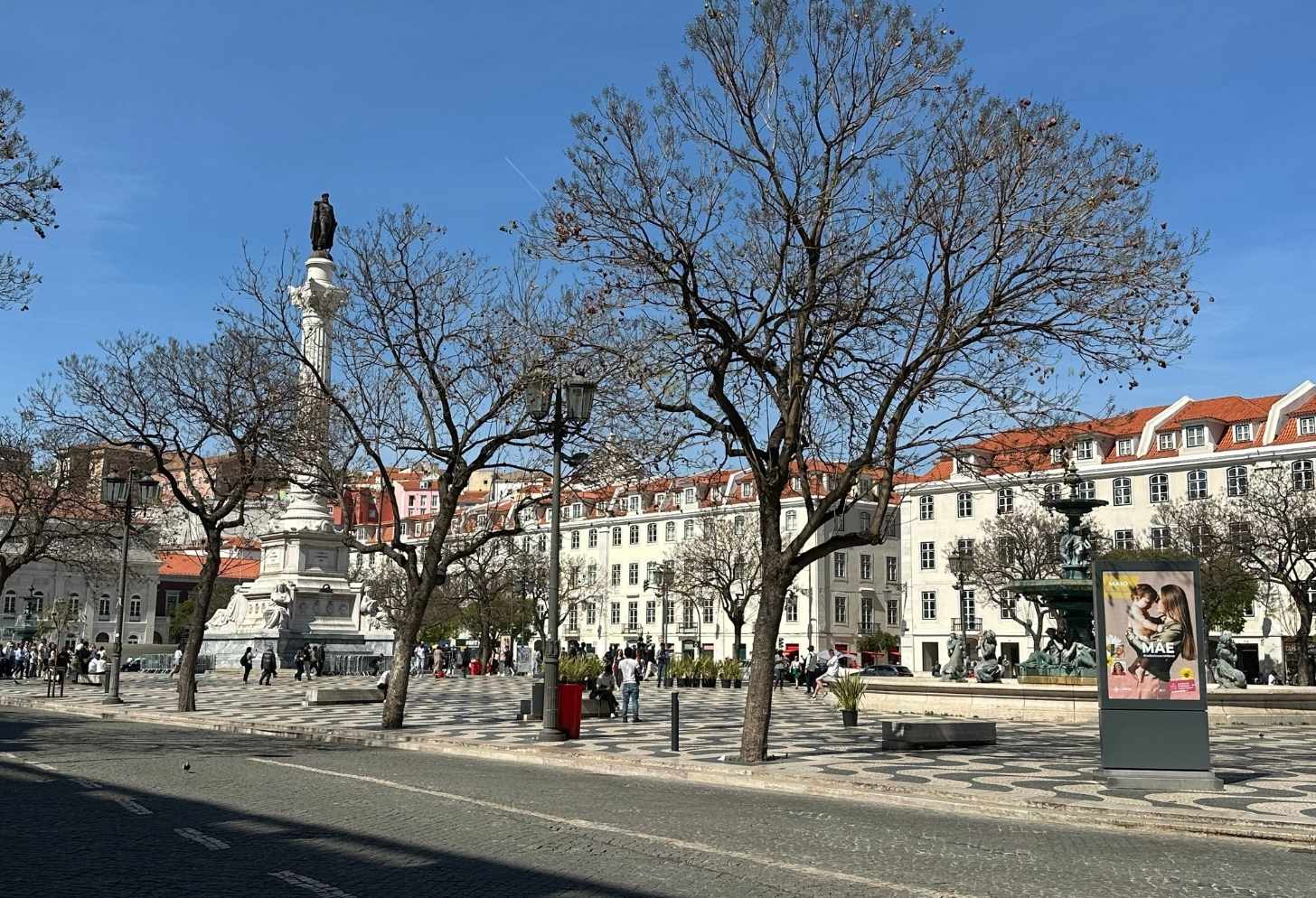
Everyday shopping happens on foot. Small grocers, bakeries like A Padaria Portuguesa, and pharmacies line Avenida da República and the side streets around Praça de Entrecampos. For a full supermarket run, a Pingo Doce and other stores sit within walking distance, and the Campo Pequeno shopping centre just south gathers more shops under one roof. Cafés double as neighbourhood fixtures, with Café Careca on Avenida das Forças Armadas a local institution for croissants. Dry cleaners, banks, and post services are all close to home, so routine errands stay quick and simple.
Education and family life
Families find a practical mix nearby. Public and private schools cluster across Avenidas Novas and neighbouring Alvalade, alongside nurseries (creches) for younger children. Higher education is on the doorstep, with ISCTE, Lusófona, and the University of Lisbon campus just north. Green breaks are easy: Jardim do Campo Grande, at the neighbourhood's northern edge, offers a playground, a lake, and wide lawns. The area suits families who want space, transport, and schools without the tourist crowds of central Lisbon, and it works well for longer stays where routine and stability matter most.
Health and medical services
Day-to-day healthcare is straightforward. Pharmacies are frequent, several stay open late, and private clinics and dental practices sit along the main avenues. For public care, you register with a local health centre (centro de saúde) in Avenidas Novas. Hospital de Santa Maria, one of Lisbon's largest public hospitals, is a short trip northwest near the university campus, and private hospitals in the CUF and Luz networks are reachable across the city by metro. Most residents handle minor needs at a neighbourhood pharmacy or clinic and save the hospital for emergencies or specialist appointments.
Transportation and connectivity
This is one of Lisbon's best-connected neighbourhoods. Entre Campos, the single metro station here, sits on the Yellow Line, linking you south to Saldanha, Marquês de Pombal, and Rato, and north to Campo Grande and Odivelas. Entrecampos railway station adds CP and Fertagus commuter trains plus long-distance services to Porto and Faro. Numerous bus routes cross Praça de Entrecampos, while GIRA bike-share docks and flat streets make cycling realistic. The city centre is roughly ten minutes by metro. On-street parking exists but fills quickly, so many residents skip the car entirely.
Leisure, culture, and social life
Parks and green spaces
Green space is closer than the office towers suggest. Jardim do Campo Grande, also known as the Mário Soares Garden, stretches along the neighbourhood's northern edge and covers around eleven hectares. You can row a boat on the lake, jog the perimeter, let children loose in the playground, or book a padel court. Smaller squares and tree-lined medians around Praça de Entrecampos give quick spots to pause. As the former Feira Popular site is redeveloped, more public gardens and open squares are planned. For everyday walks and weekend picnics, the Campo Grande garden is the anchor.
Restaurants, cafés, and nightlife
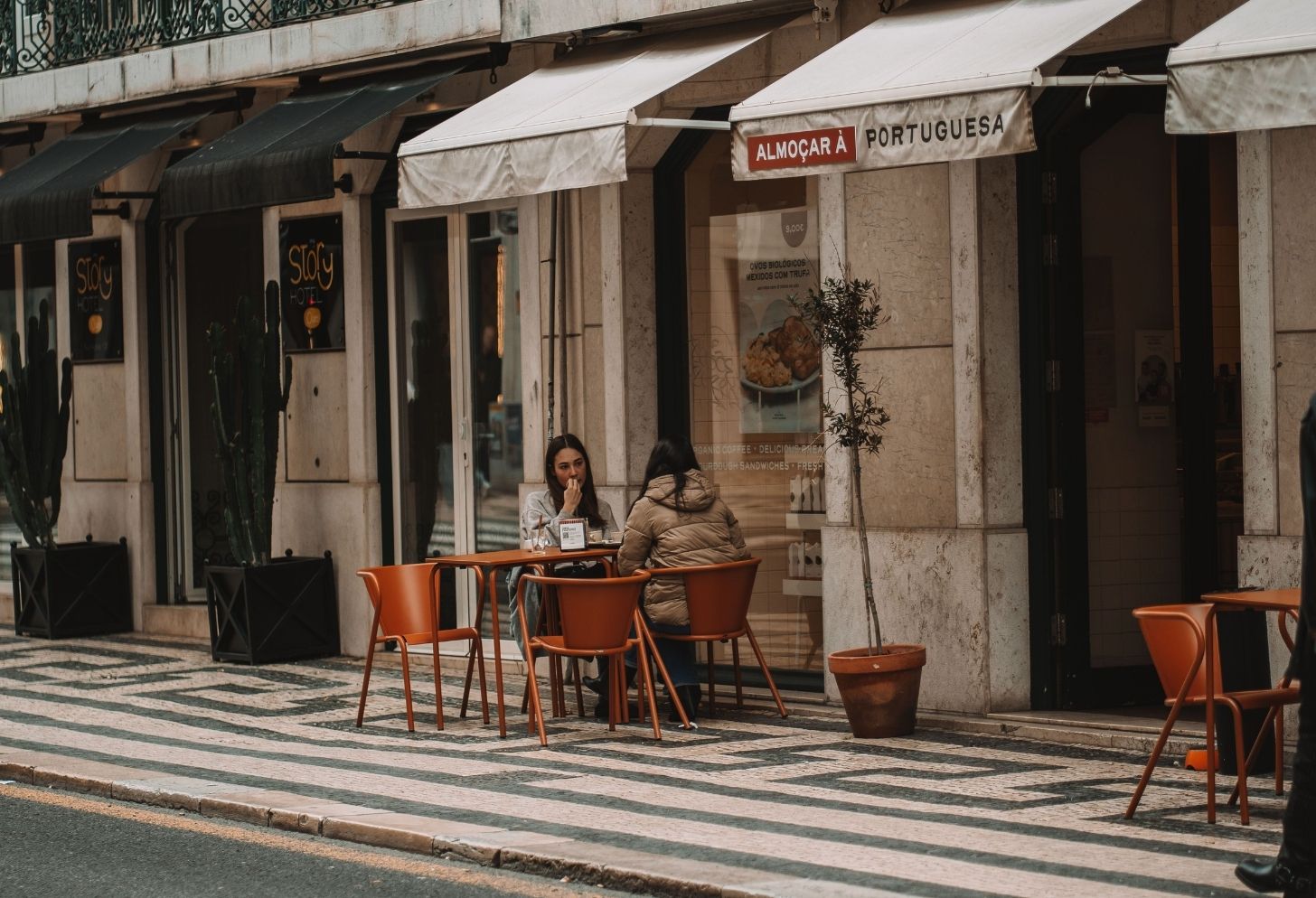
Evenings here lean neighbourhood rather than nightlife. The mood stays relaxed, with locals filling classic Portuguese dining rooms and casual cafés instead of late bars. O Poleiro and Apeadeiro serve generous traditional cooking; Choupana Caffé and Amélia on Avenida da República draw a brunch crowd; Café Careca is the go-to for croissants; A Padaria Portuguesa covers quick breakfasts. Streets stay well lit and calm after dark, which many residents value. For heavier nightlife, Saldanha and Bairro Alto are a short metro ride away.
Culture and local events
Culture here works at neighbourhood scale. Campo Pequeno, just south, is a red-brick former bullring that now hosts concerts, shows, and a shopping gallery. The National Library of Portugal sits nearby to the north, and the university campus brings talks, exhibitions, and student events within walking distance. Local life also shows up in weekend markets, seasonal fairs, and the everyday rhythm of café terraces. For listings across the city, the Lisbon City Council publishes a cultural agenda. As the new Entrecampos district opens, expect more cultural and retail programming on its public squares.
Ready to make this neighborhood home? Explore our fully furnished apartments, designed for living, not just staying, and move in with nothing but your suitcase.

Unique and varied interior designs to match your style
Our friendly team is here to help. And if you prefer write us to hello@ukio.com
MESSAGE US ON WHATSAPP
LET US KNOW YOUR PREFERENCES

.jpg)