Lisbon
Understanding life in Gulbenkian - Praça Espanha
Why people choose to live here
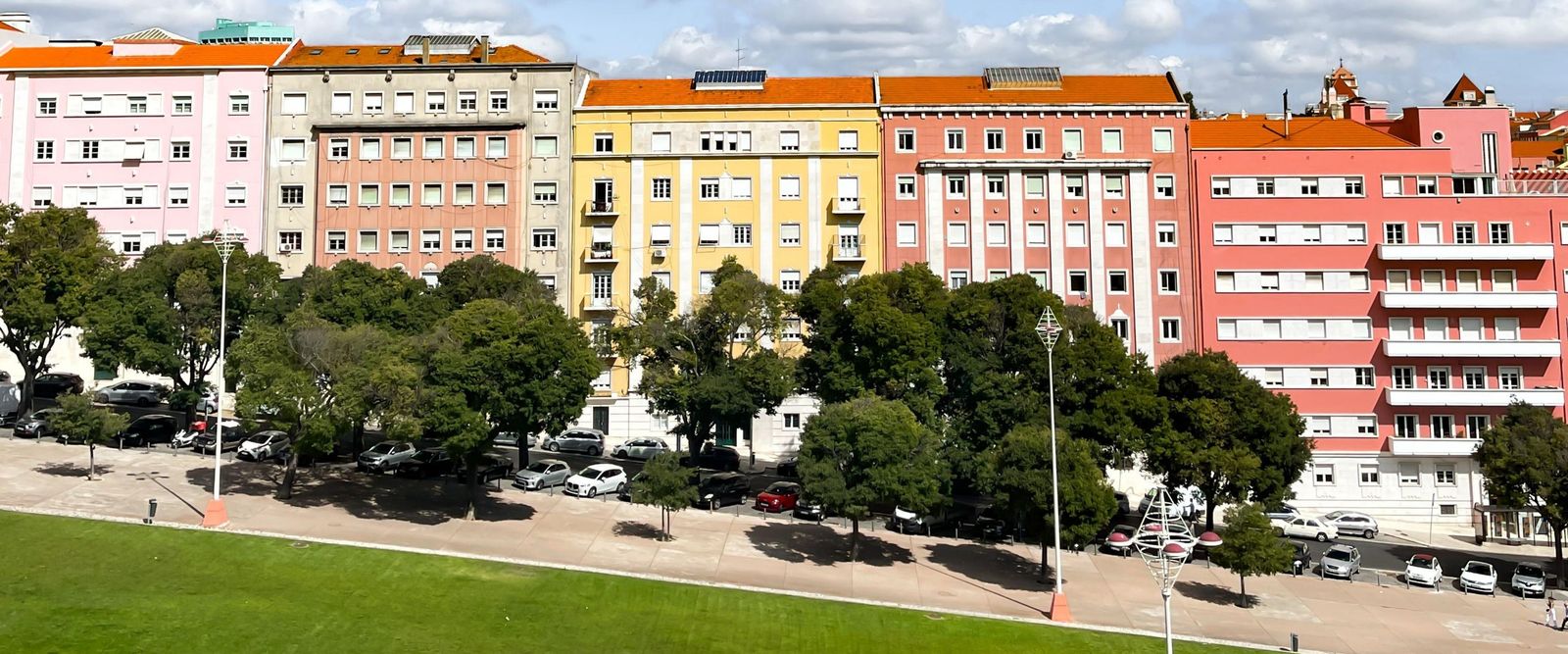
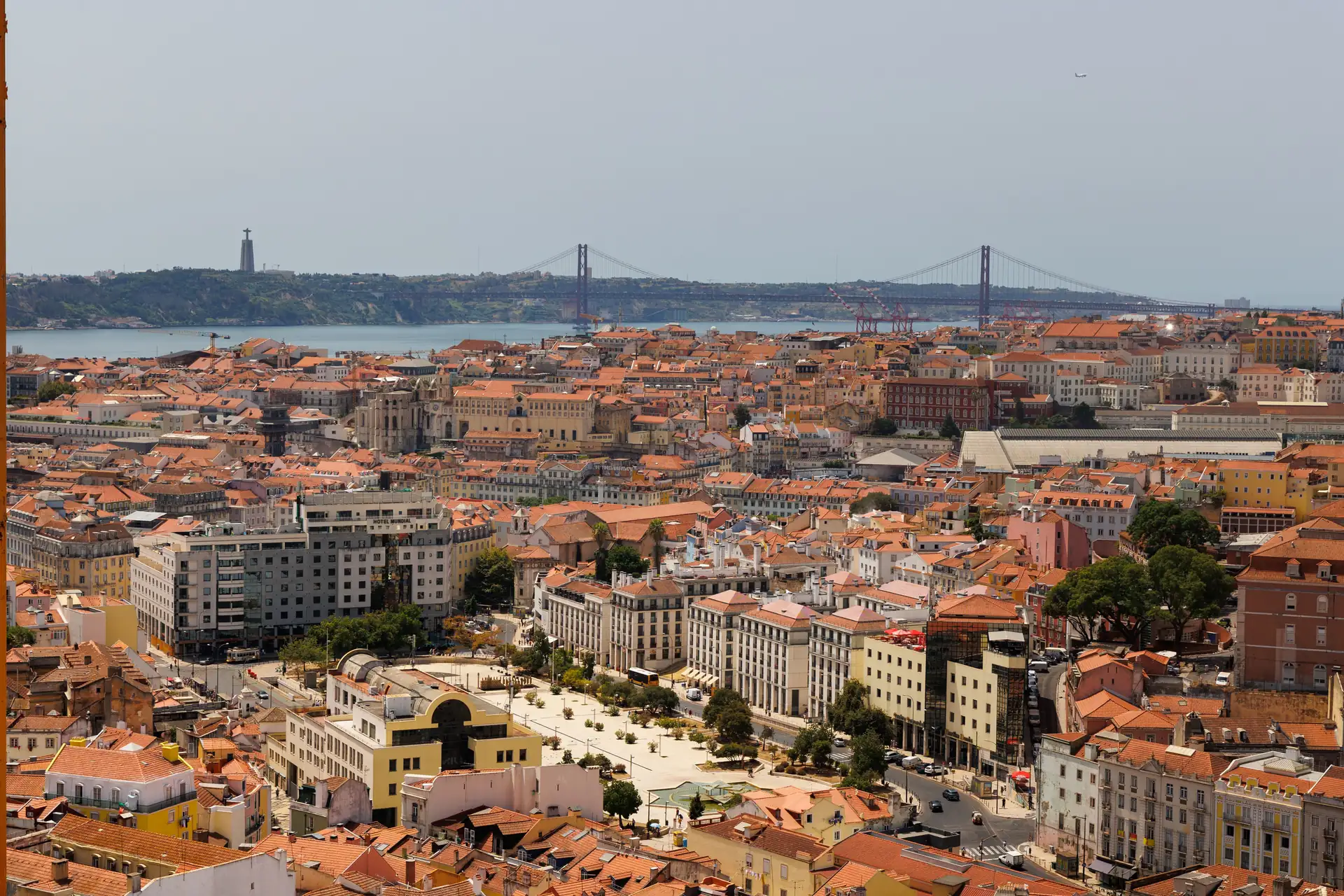
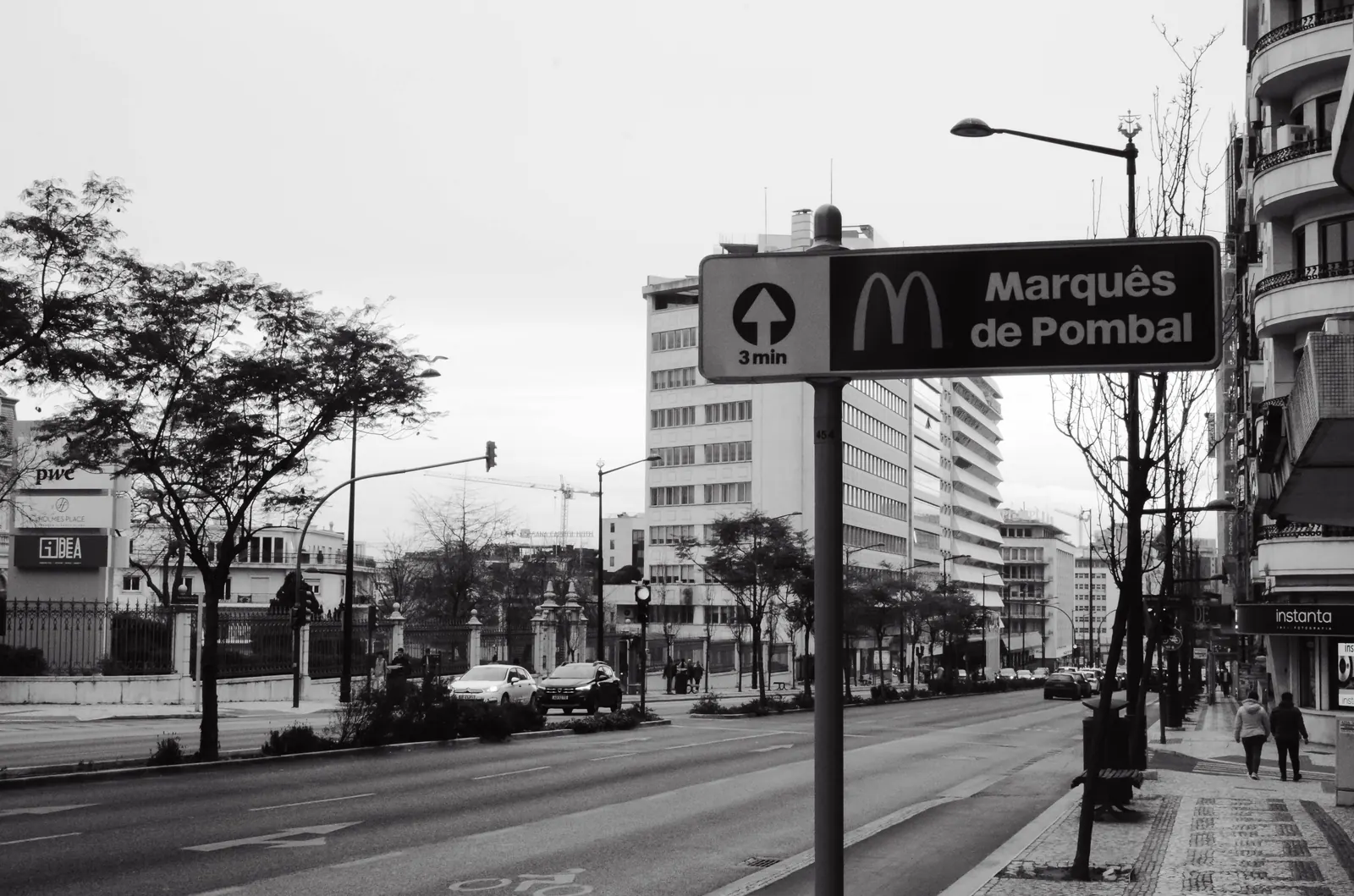
This western corner of Avenidas Novas stretches from Avenida de Berna and the Gulbenkian Foundation to the edge of Praça de Espanha. You live between two of Lisbon's best green spaces, the Gulbenkian Garden and the Gonçalo Ribeiro Telles park, yet stay minutes from the business district around Saldanha and Marquês de Pombal. Streets are flat, wide and well connected, which makes daily life easy on foot or by metro. Professionals, academics and families choose it for its central position, calm residential blocks and a cultural life that most Lisbon neighbourhoods cannot match.
History and architectural character of Gulbenkian - Praça Espanha
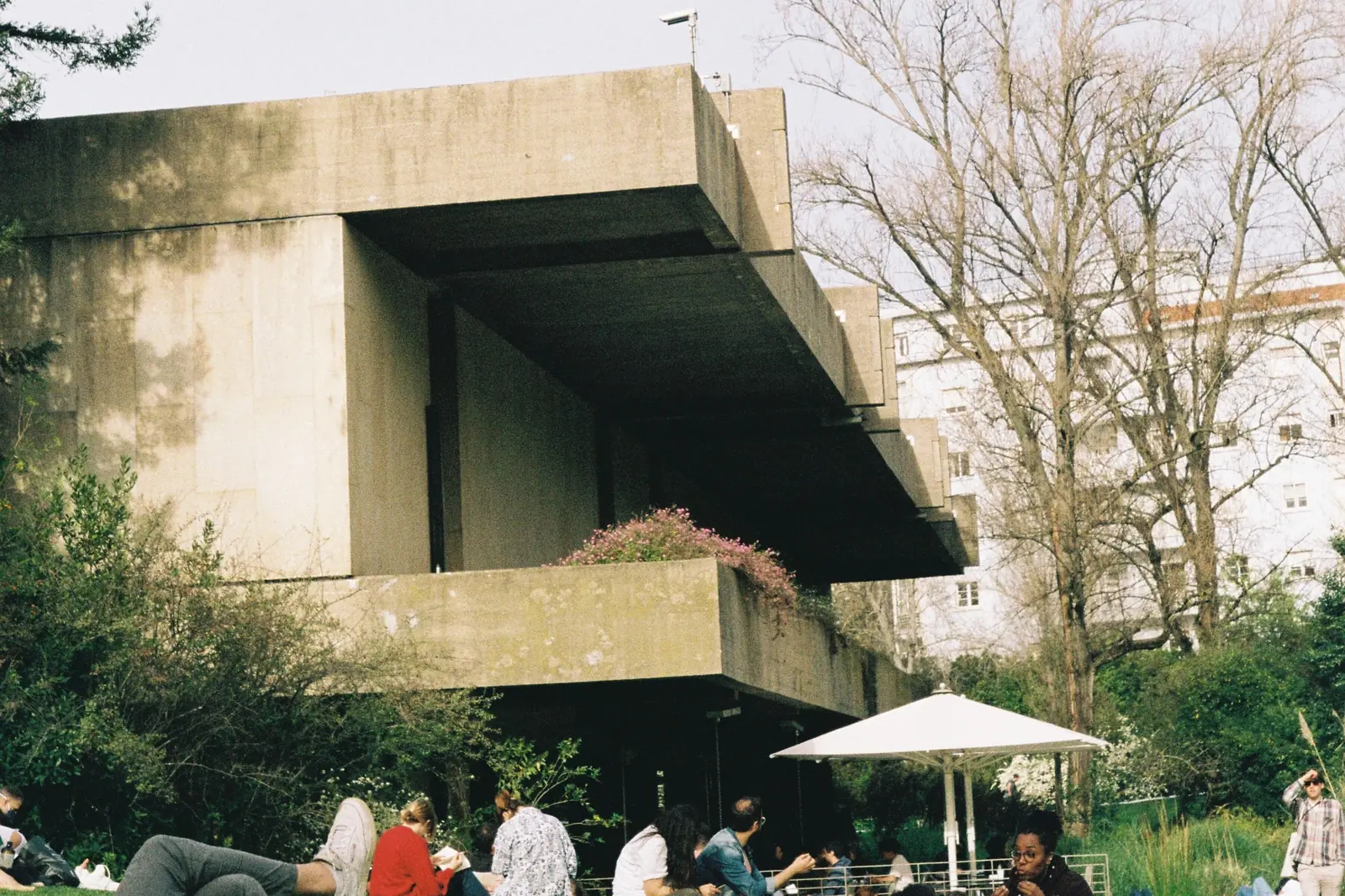
Avenidas Novas was laid out at the end of the 19th century as Lisbon's modern extension north of the centre, with broad avenues lined by apartment buildings. The Gulbenkian Foundation, created in 1956 with the legacy of collector Calouste Gulbenkian, opened its headquarters and museum here in 1969 on the former Santa Gertrudes estate. The modernist complex and its garden are a national monument. Nearby, the Igreja de Nossa Senhora de Fátima, completed in 1938 with stained glass by Almada Negreiros, marks Avenida de Berna. The Palácio de Palhavã, residence of the Spanish ambassador, gave Praça de Espanha its name.
Daily life in Gulbenkian - Praça Espanha
Shopping and local services
Everyday shopping is simple here. El Corte Inglés, on Avenida António Augusto de Aguiar, has a large supermarket and gourmet food hall alongside its department store. Avenida de Berna and Rua Marquês de Sá da Bandeira keep cafés, small grocers, opticians and pharmacies such as Farmácia Berne. For fresh fish, fruit and vegetables, residents walk to the Mercado 31 de Janeiro, just east near Saldanha. Banks, dry cleaners and post offices line Avenida da República. The Junta de Freguesia das Avenidas Novas, at Avenida de Berna 1, handles residents' local paperwork and certificates.
Education and family life
Families have public schools within easy reach. The Marquesa de Alorna school group runs primary schools such as the EB São Sebastião da Pedreira and the EB Mestre Arnaldo Louro de Almeida, with its main school in the nearby Bairro Azul. The Escola Secundária Maria Amália Vaz de Carvalho takes older pupils. Several private externatos and nurseries operate along Avenida da República and Avenida Visconde de Valmor. Universities are close too, including NOVA's faculty of social sciences on Avenida de Berna. The Gulbenkian Garden and the Praça de Espanha park both offer safe outdoor space and playgrounds.
Health and medical services
Healthcare is one of the area's strengths. The public Hospital Curry Cabral, on Rua da Beneficência, sits within the parish, and the Maternidade Alfredo da Costa, Lisbon's best known maternity hospital, is close by. Just west, the Instituto Português de Oncologia is a national reference for cancer care. Primary care is provided by the Centro de Saúde de Sete Rios, open on weekdays from 8 am to 8 pm, where residents register with a family doctor under the national health service. Pharmacies are found on almost every avenue, and many foreigners add private health insurance.
Transportation and connectivity
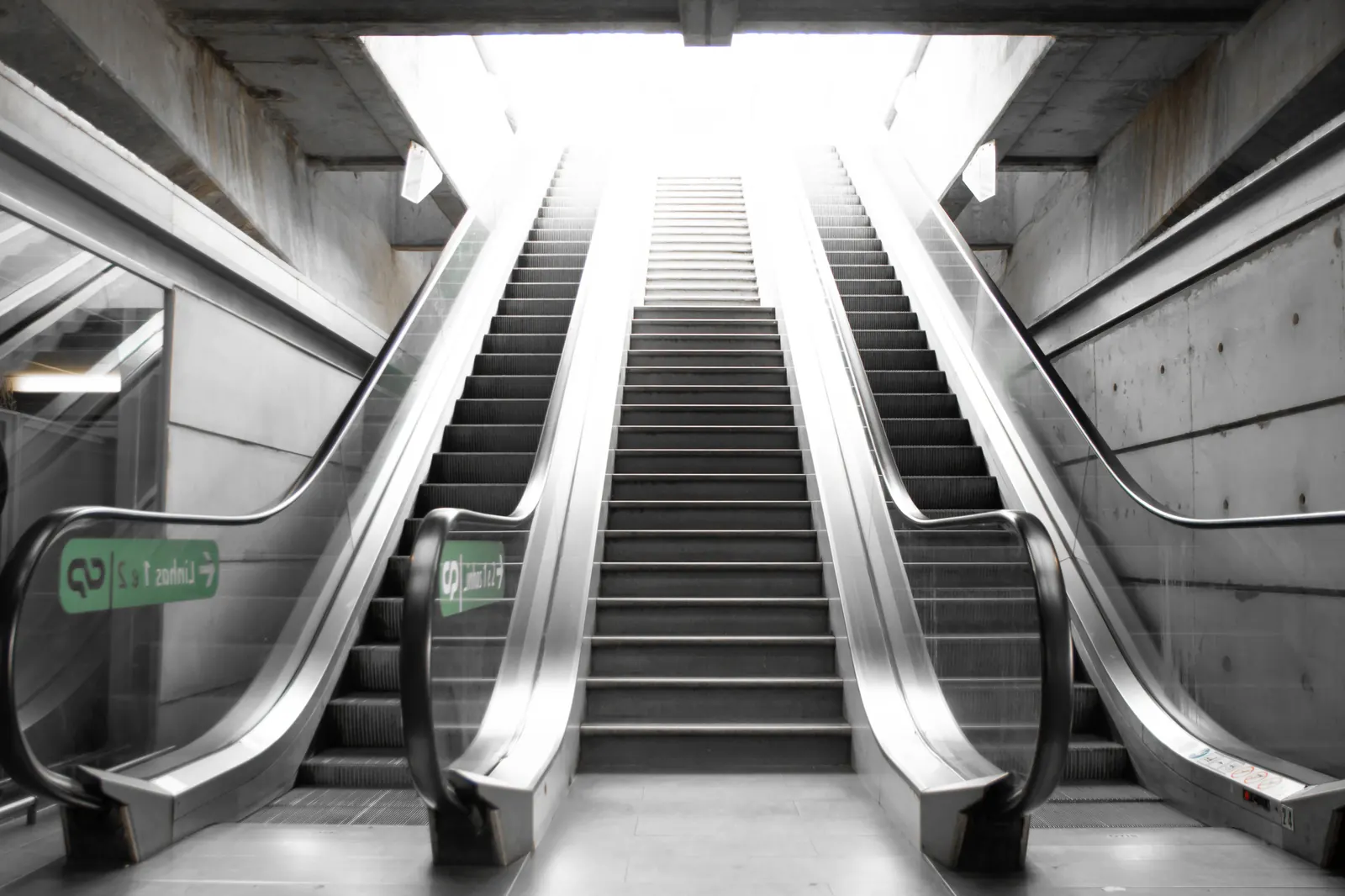
Two metro stations serve the area: São Sebastião, where the blue and red lines meet, and Praça de Espanha on the blue line. The blue line runs straight to Marquês de Pombal, Baixa-Chiado and Terreiro do Paço, while the red line reaches Saldanha, Alameda and the airport in about 20 minutes. Jardim Zoológico station at Sete Rios, one stop away, adds the Fertagus trains to the south bank and the main long distance bus terminal. Carris buses run along Avenida de Berna, and cycle lanes connect the Praça de Espanha park with the central avenues.
Leisure, culture, and social life
Parks and green spaces
Few Lisbon neighbourhoods have this much green space. The Gulbenkian Garden, designed by Gonçalo Ribeiro Telles and António Viana Barreto, is free and open every day from sunrise to sunset, with lawns, a lake and shaded paths. Its southern extension around the CAM adds a new urban woodland. Across the road, the Parque Urbano Gonçalo Ribeiro Telles opened in 2021 on Praça de Espanha, with six hectares, around 1,000 trees, playgrounds and a cycle path linking to the Monsanto green corridor. Parque Eduardo VII is a short walk south.
Restaurants, cafés, and nightlife
Evenings are relaxed and residential rather than loud. Oh! Lacerda, on Avenida de Berna, has served Portuguese classics and steaks since the 1950s. doBeco, opened in 2026 opposite the Gulbenkian on Rua Marquês de Sá da Bandeira, is a favourite for sourdough, pastries and brunch. Inside the Foundation, the Casa do Jardim café and A Mesa do CAM suit a garden lunch. Towards Saldanha, the Pastelaria Versailles has been a grand café since 1922, and Galeto stays open until 3:30 am. Wide, well lit avenues keep the area safe at night.
Culture and local events
Culture is the defining feature here. The Museu Calouste Gulbenkian holds one of Europe's great private collections, from Egyptian art to Lalique jewellery, while the CAM, reopened in 2024 in a building redesigned by Kengo Kuma, shows modern and contemporary Portuguese art. Both open daily except Tuesday. The Gulbenkian's Grande Auditório hosts its orchestra, choir and visiting artists through the season. Cinema Nimas, on Avenida 5 de Outubro, screens repertory and arthouse films, and the Teatro Aberto, just across Praça de Espanha, stages contemporary theatre.
Ready to make this neighborhood home? Explore our fully furnished apartments, designed for living, not just staying, and move in with nothing but your suitcase.

Unique and varied interior designs to match your style
Our friendly team is here to help. And if you prefer write us to hello@ukio.com
MESSAGE US ON WHATSAPP
LET US KNOW YOUR PREFERENCES