Madrid

Understanding life in Bernabéu-Hispanoamérica
Why people choose to live here
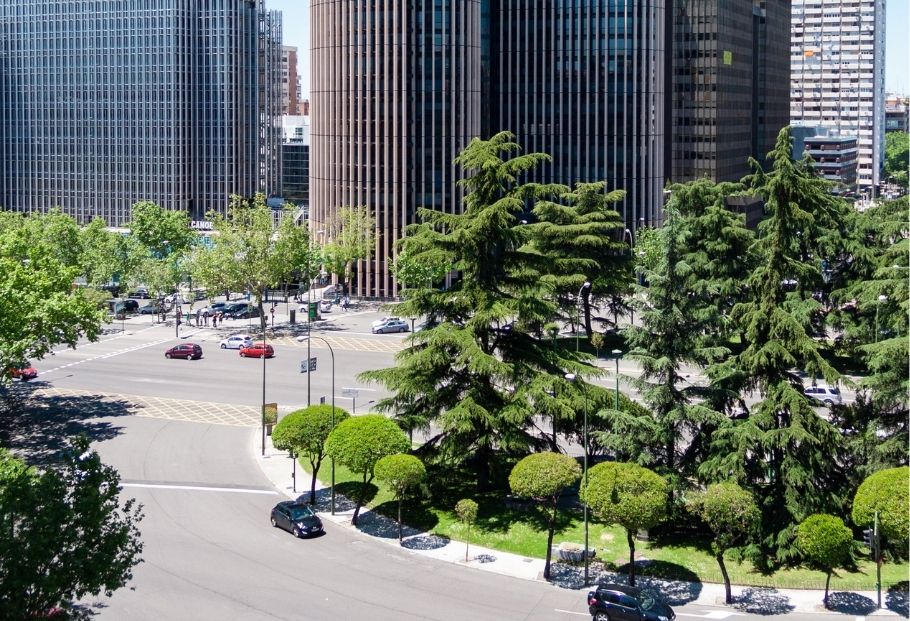
Bernabéu-Hispanoamérica offers a rare equilibrium in Madrid: residential calm anchored beside one of Europe’s most iconic stadiums, the Santiago Bernabéu Stadium. You live in a neighborhood that feels established and secure, where wide streets, mature trees, and well-kept façades shape a sense of order and permanence. Professionals working along Paseo de la Castellana value the short commute and the separation between work and home. Families appreciate the structured rhythm, reliable services, and the absence of tourist saturation. It is urban, yet measured.
History and Architectural Character of Bernabéu-Hispanoamérica
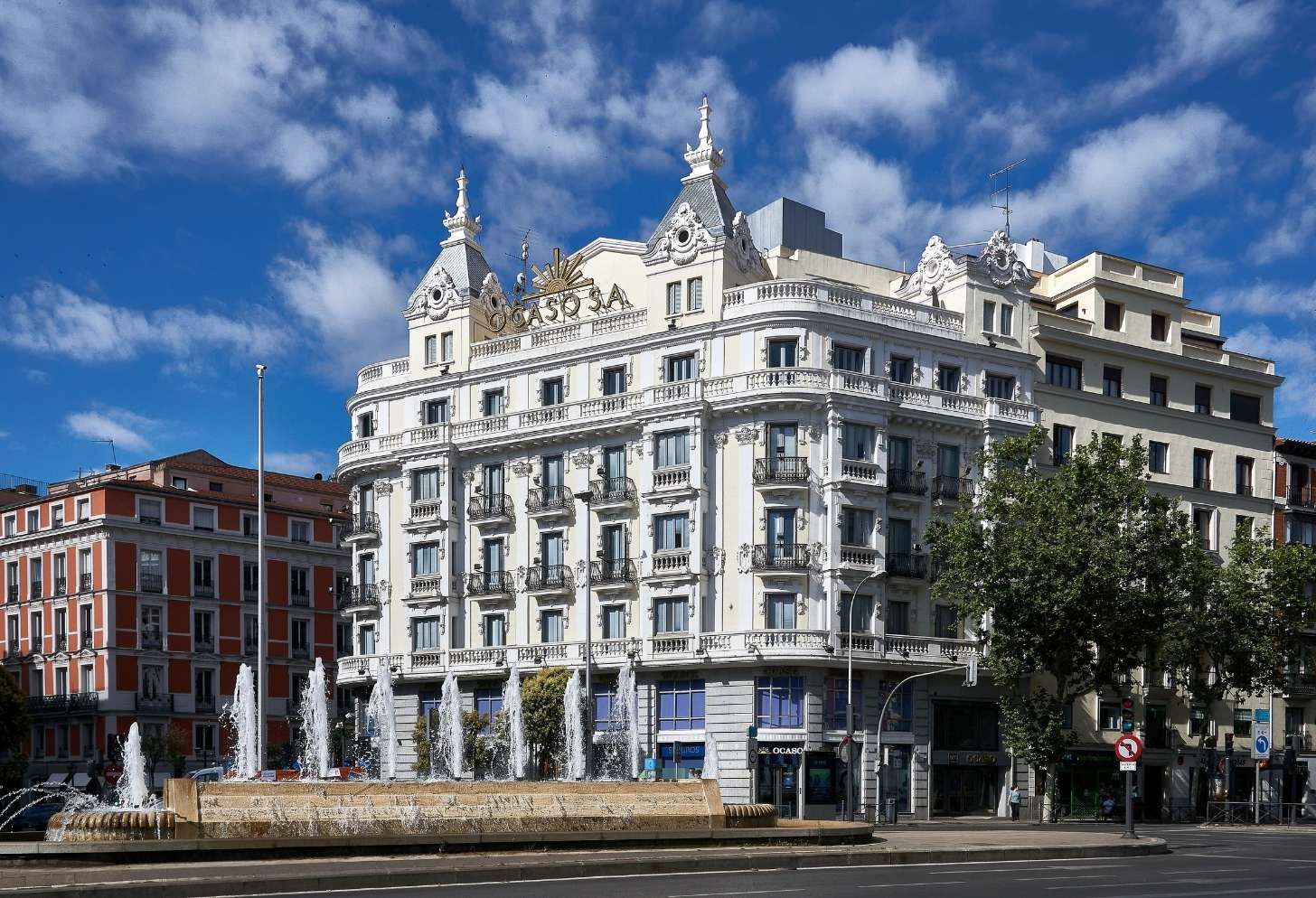
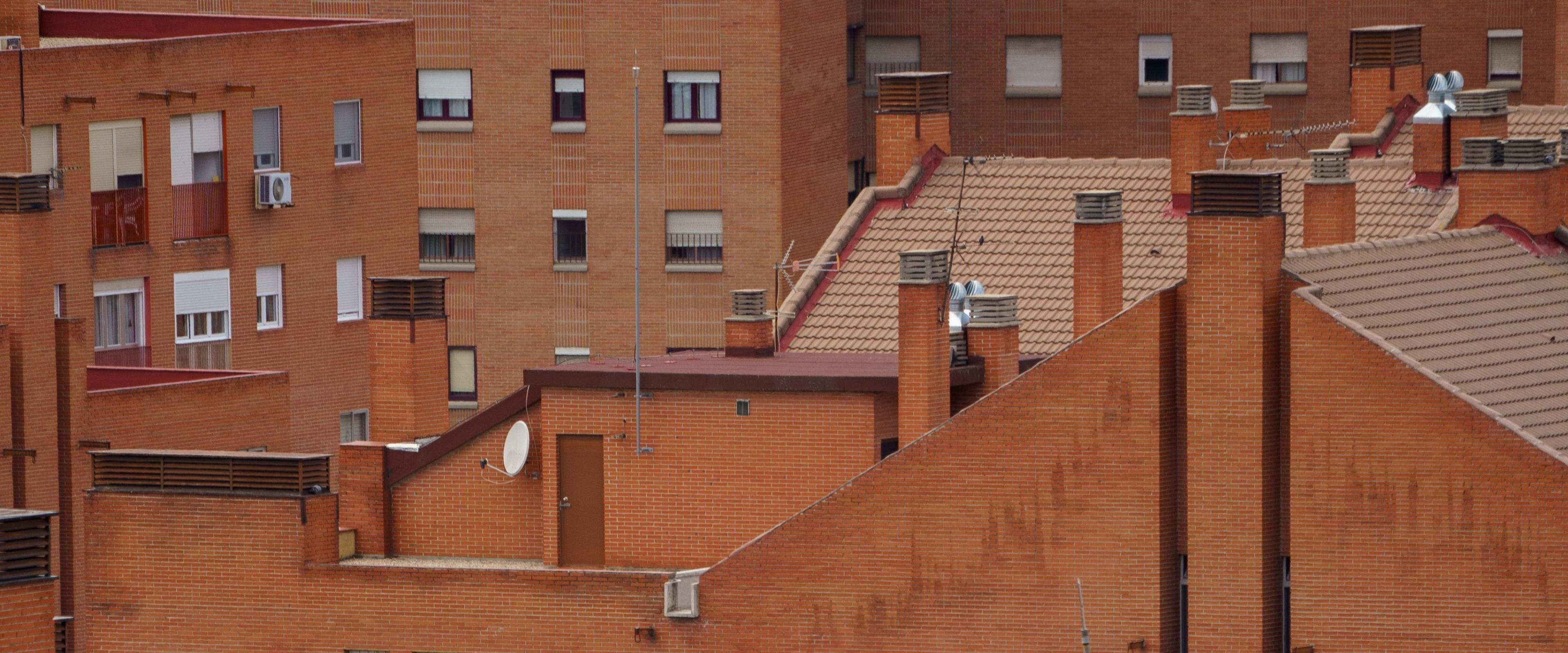
The neighborhood grew during Madrid’s northward expansion in the mid-20th century, evolving into a residential extension of the capital’s financial corridor. Buildings from the 1950s to 1970s dominate the streetscape: solid brick constructions, generous balconies, and spacious interiors designed for long-term living. Around Calle de Padre Damián and Avenida de Concha Espina, you see gradual modernization—renovated façades, upgraded lobbies, and contemporary residential developments integrated into the original grid. The architectural language communicates durability rather than trend. It feels stable, deliberate, and designed to endure.
Daily Life in Bernabéu-Hispanoamérica
Shopping and Local Services
Daily life functions with precision. Supermarkets, traditional bakeries, fruit shops, pharmacies, and neighborhood cafés are distributed evenly across the area, eliminating the need for long errands. Mercado de Chamartín, located nearby, provides fresh produce, quality fish, and international specialties. Small hardware stores, dry cleaners, and professional services operate within walking distance. The commercial offering is practical, not performative. You move through routines efficiently, supported by businesses that cater to residents rather than visitors.
Education and Family Life
Bernabéu-Hispanoamérica attracts families who prioritize structure and educational access. Public and private schools are embedded within Chamartín, alongside nurseries and extracurricular programs. International families find bilingual and private institutions in the surrounding northern districts. Parks and playgrounds are integrated into residential streets, allowing children to move within a contained and secure environment. The atmosphere favors long-term settlement: predictable, calm, and designed for stability rather than short-term stays.
Health and Medical Services
Healthcare infrastructure is robust. Local clinics and private medical centers operate within the district, while pharmacies are readily accessible and often open extended hours. For specialized treatment, major hospitals such as Hospital Universitario La Paz are reachable within minutes by car or public transport. Residents combine neighborhood-level healthcare for daily needs with large institutions for complex care. Access is direct, reliable, and well integrated into daily life.
Transportation and Connectivity
Connectivity is one of the neighborhood’s structural advantages. Metro Line 10 serves Santiago Bernabéu station, and Line 9 connects through Concha Espina. Two metro stations operate within the neighborhood itself, while additional connections are accessible nearby. Multiple bus lines run along Paseo de la Castellana and Padre Damián, linking you to central Madrid and business hubs in under 15 minutes. The area is walkable, and regulated on-street parking is available. Direct access to the M-30 ring road facilitates car travel beyond the city center.
Leisure, Culture, and Social Life
Parks and Green Spaces
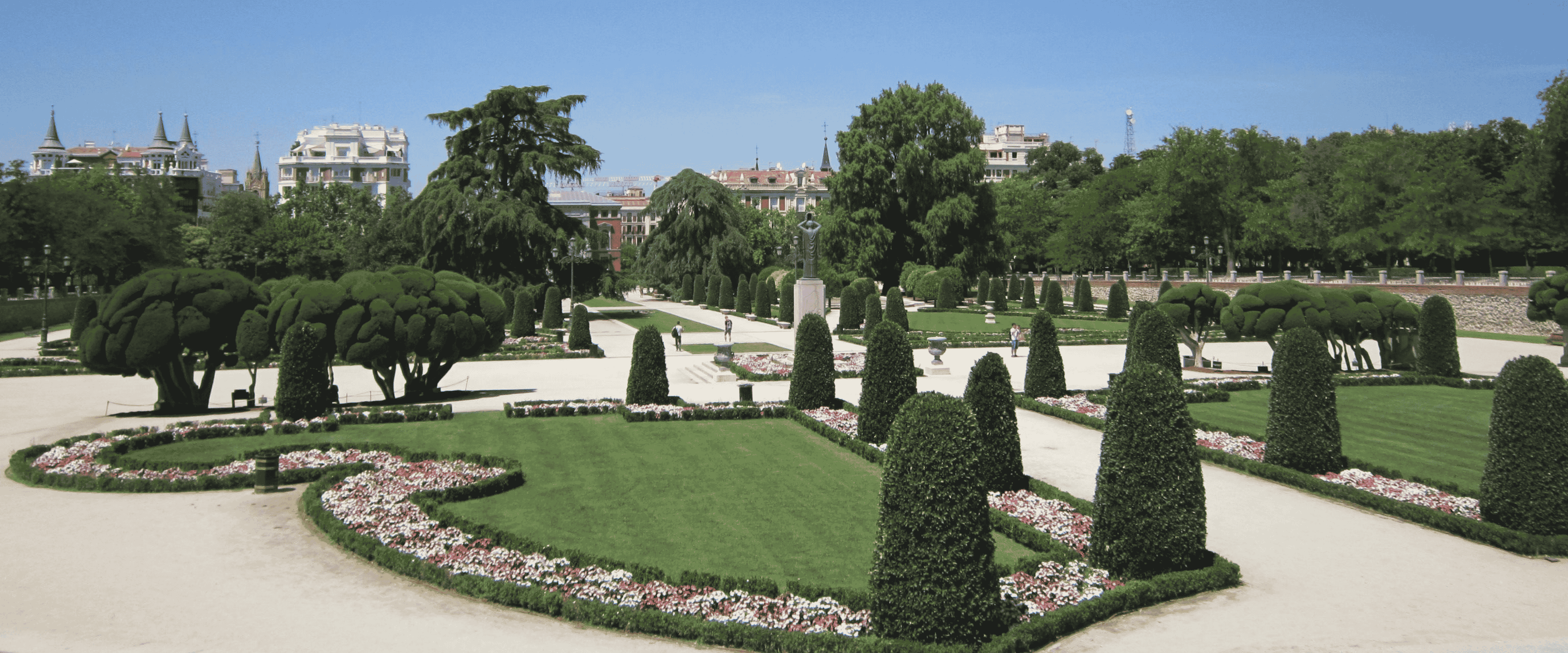
Parque de Berlín anchors the neighborhood’s outdoor life. Its tree-lined paths, open lawns, and playgrounds create space for exercise, informal gatherings, and family afternoons. Smaller landscaped squares punctuate residential streets, offering quiet benches and shaded corners. These are not monumental parks designed for spectacle; they are functional green spaces woven into daily routines. You step outside and immediately access calm.
Restaurants, Cafés, and Nightlife
The culinary landscape reflects the district’s character: refined, local, and confident without excess. Around the stadium and Concha Espina, restaurants such as Txistu, Puerta 57, Asador Donostiarra, and La MaMá Restaurante draw a loyal residential clientele. Evenings intensify on match days at the Santiago Bernabéu Stadium, when energy fills the streets, yet outside those moments the atmosphere remains controlled and safe. You dine well here, without navigating chaotic nightlife.
Culture and Local Events
Cultural life orbits around major sporting events and community-led initiatives within Chamartín. Match days transform the surroundings of the stadium into collective gatherings, while smaller neighborhood associations organize seasonal markets and local activities. Larger museums, theaters, and cultural institutions are accessible via Paseo de la Castellana toward central Madrid. The district itself remains residential in rhythm, connected to the city yet not defined by its intensity.
Ready to make this neighborhood home? Explore our fully furnished apartments, designed for living, not just staying, and move in with nothing but your suitcase.

Unique and varied interior designs to match your style
Our friendly team is here to help. And if you prefer write us to hello@ukio.com
MESSAGE US ON WHATSAPP
LET US KNOW YOUR PREFERENCES