Madrid
Understanding life in Ciudad Jardín
Why people choose to live here
Ciudad Jardín is the smallest barrio in Chamartín, and its scale is part of the appeal. You get quiet, tree-lined streets and low-rise colonias just minutes from Paseo de la Castellana. Compared with busier neighbours like Prosperidad or Salamanca, life here feels calmer and more residential. Professionals, established families and a steady expat community settle here for that balance: central location, real green space, and a strong local feel. Streets stay safe and walkable, and most daily needs sit within a short stroll of home.
History and architectural character of Ciudad Jardín
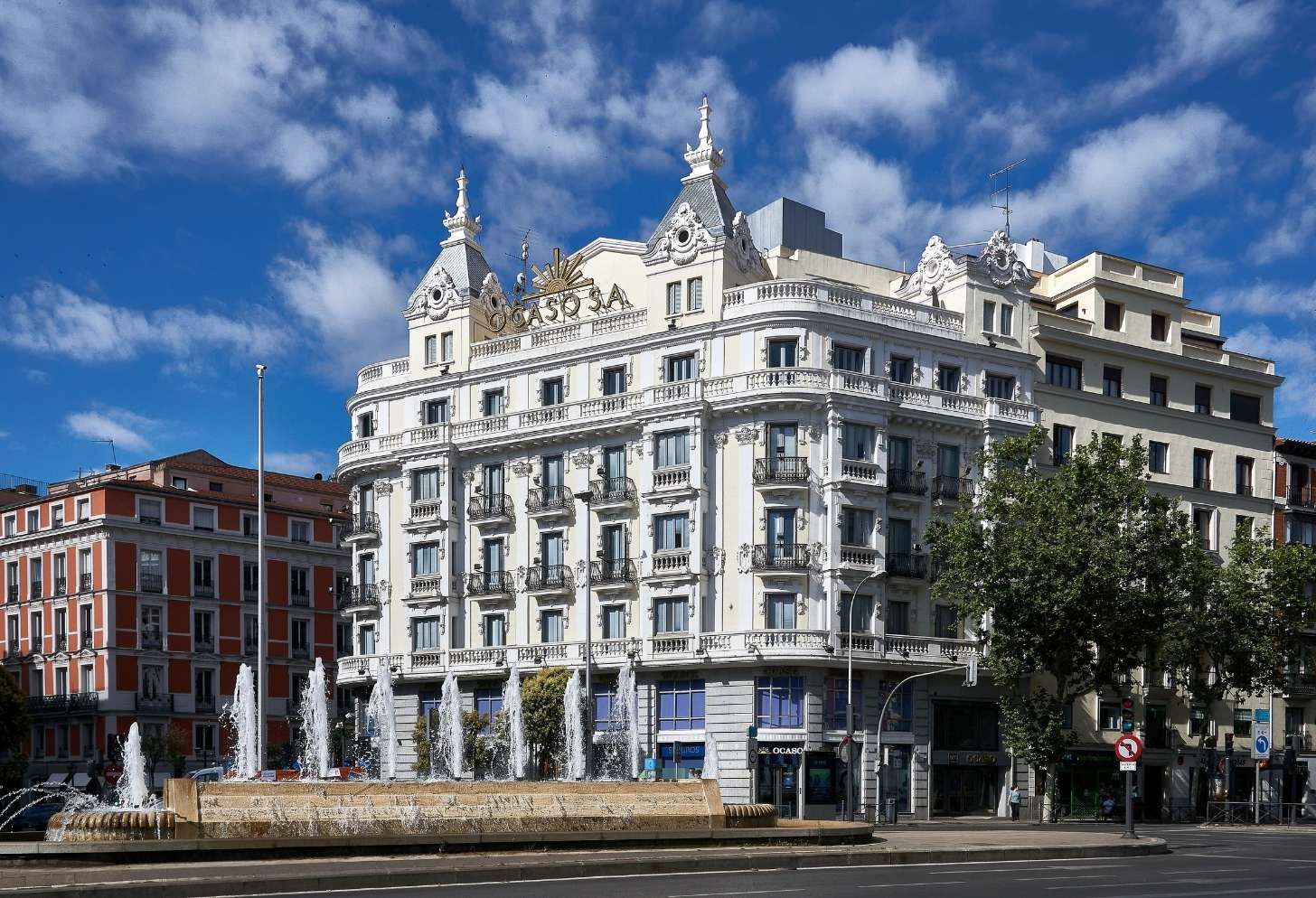
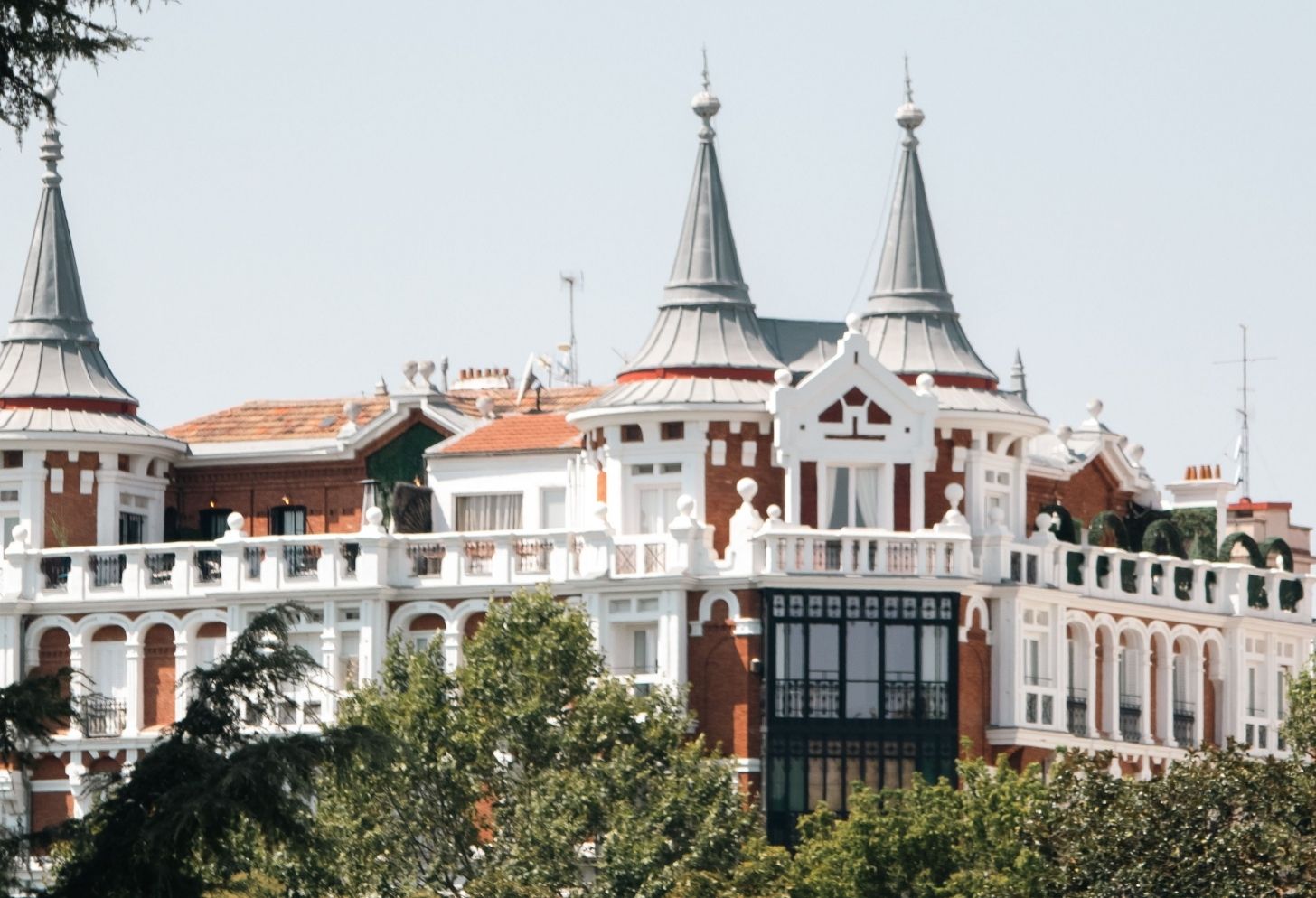
The neighbourhood grew out of Prosperidad, a working-class suburb dating to 1862, and only became a separate barrio in 1987, with Calle López de Hoyos drawn as the dividing line. Its identity comes from the early 20th-century garden-city movement inspired by Ebenezer Howard and Arturo Soria. Between roughly 1919 and 1936, developers built colonias of single-family homes, and several of these remain under heritage protection today. You still see them along Calle Alfonso XIII: low houses with gardens sitting beside later apartment blocks, giving the streets an unusual mixed texture.

Daily life in Ciudad Jardín
Shopping and local services
Calle López de Hoyos runs along the southern edge and works as the neighbourhood's commercial spine, lined with shops, banks and everyday services. For daily shopping, you will find small supermarkets, neighbourhood bakeries, butchers and greengrocers scattered through the quieter interior streets. Pharmacies are frequent and easy to reach on foot. Rather than large malls, the area runs on independent local businesses and family-run stores, so you can handle most errands within a few minutes of home. Cruz del Rayo and Alfonso XIII both put larger retail within a short walk.
Education and family life
Families are well served here. The Colegio Fundación Santamarca sits beside Parque de Berlín, and you will find nurseries, escuelas infantiles and both public and private schools within the barrio or its immediate surroundings. Playgrounds inside Parque de Berlín and smaller local squares give children space close to home. The residential streets stay quiet and traffic-calmed, which suits parents pushing prams or walking to school. For anyone considering a longer stay, the mix of green space, schools and a settled community makes Ciudad Jardín a practical base for family life.
Health and medical services
Everyday healthcare is straightforward. The area falls under the regional public health network (SERMAS), with local health centres, or centros de salud, handling routine appointments and family medicine. Private clinics and dental practices are common along López de Hoyos and Príncipe de Vergara. Pharmacies are plentiful, several with extended hours. For hospital care, Hospital Universitario de La Princesa lies a short distance south in the Salamanca district, and other major hospitals are reachable by metro or bus. Most residents rely on their assigned centro de salud for day-to-day needs and use pharmacies for minor issues.
Transportation and connectivity
Getting around is easy. Three metro stations sit on the neighbourhood's edges: Alfonso XIII on Line 4, Cruz del Rayo on Line 9, and the large Avenida de América interchange serving Lines 4, 6, 7 and 9. Prosperidad and Concha Espina are close by too. From Avenida de América you reach the centre, the business districts along the Castellana and the airport quickly. Numerous bus routes cross López de Hoyos and Príncipe de Vergara. The flat, walkable streets suit cycling and short trips on foot, and on-street parking is easier here than in more central barrios.
Leisure, culture, and social life
Parks and green spaces
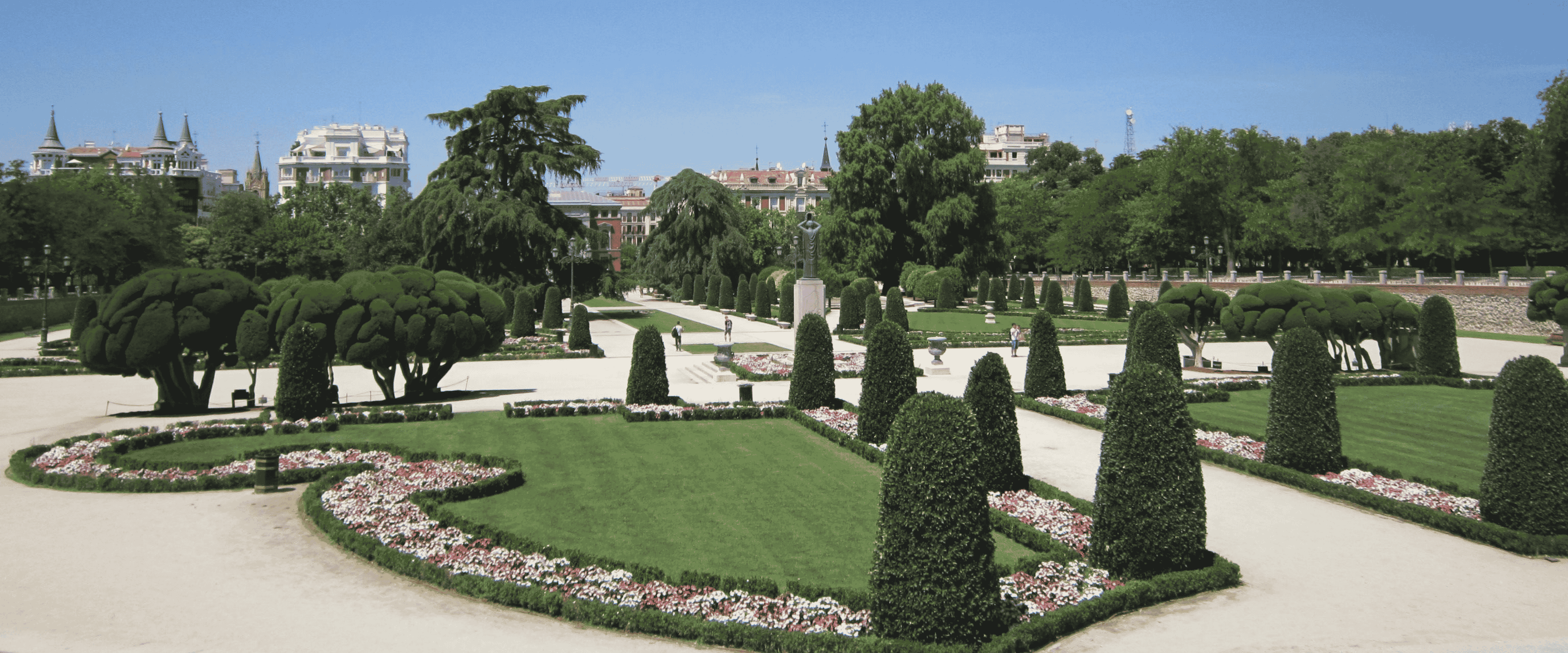
Parque de Berlín anchors the northwest corner and is the barrio's main green space. You will find shaded walking paths, ponds, ping-pong tables, sports courts and generous playgrounds, plus three original sections of the Berlin Wall that give the park its name. Families gather here at weekends, and it doubles as a running and dog-walking spot on weekday mornings. Smaller squares and planted median strips break up the residential streets, so greenery is rarely far away. For everyday outdoor time, close to home and unhurried, the park does most of the work.
Restaurants, cafés, and nightlife
Evenings here are relaxed rather than raucous, which is exactly why residents like it. The dining scene leans local: neighbourhood taverns, coffee spots and family kitchens rather than tourist crowds. For coffee and brunch, Café Maceta and Vivari Coffee & Bakery are dependable. Los Torreznos and Lataberna cover classic Spanish plates and casual tapas, La Birrería Taproom draws a craft-beer crowd, and Alfanus serves well-regarded Arabic dishes. Streets stay quiet and safe after dark, so a late walk home from dinner feels comfortable. Heavier nightlife sits a metro ride away.
Culture and local events
Culture here works at a neighbourhood scale. Teatro Pradillo, on Calle Pradillo, is a respected independent stage for contemporary theatre and dance. The Auditorio Nacional de Música sits at the western edge on Príncipe de Vergara and hosts symphonic and chamber concerts throughout the season. Beyond fixed venues, the Chamartín district runs local festivals, street markets and seasonal activities across the year. You can check current programming and neighbourhood events through the Ayuntamiento de Madrid agenda. Most of what happens here is small, local and easy to reach on foot.

Ready to make this neighborhood home? Explore our fully furnished apartments, designed for living, not just staying, and move in with nothing but your suitcase.

Unique and varied interior designs to match your style
Our friendly team is here to help. And if you prefer write us to hello@ukio.com
MESSAGE US ON WHATSAPP
LET US KNOW YOUR PREFERENCES