Madrid
Understanding life in Lavapiés-Embajadores
Why people choose to live here
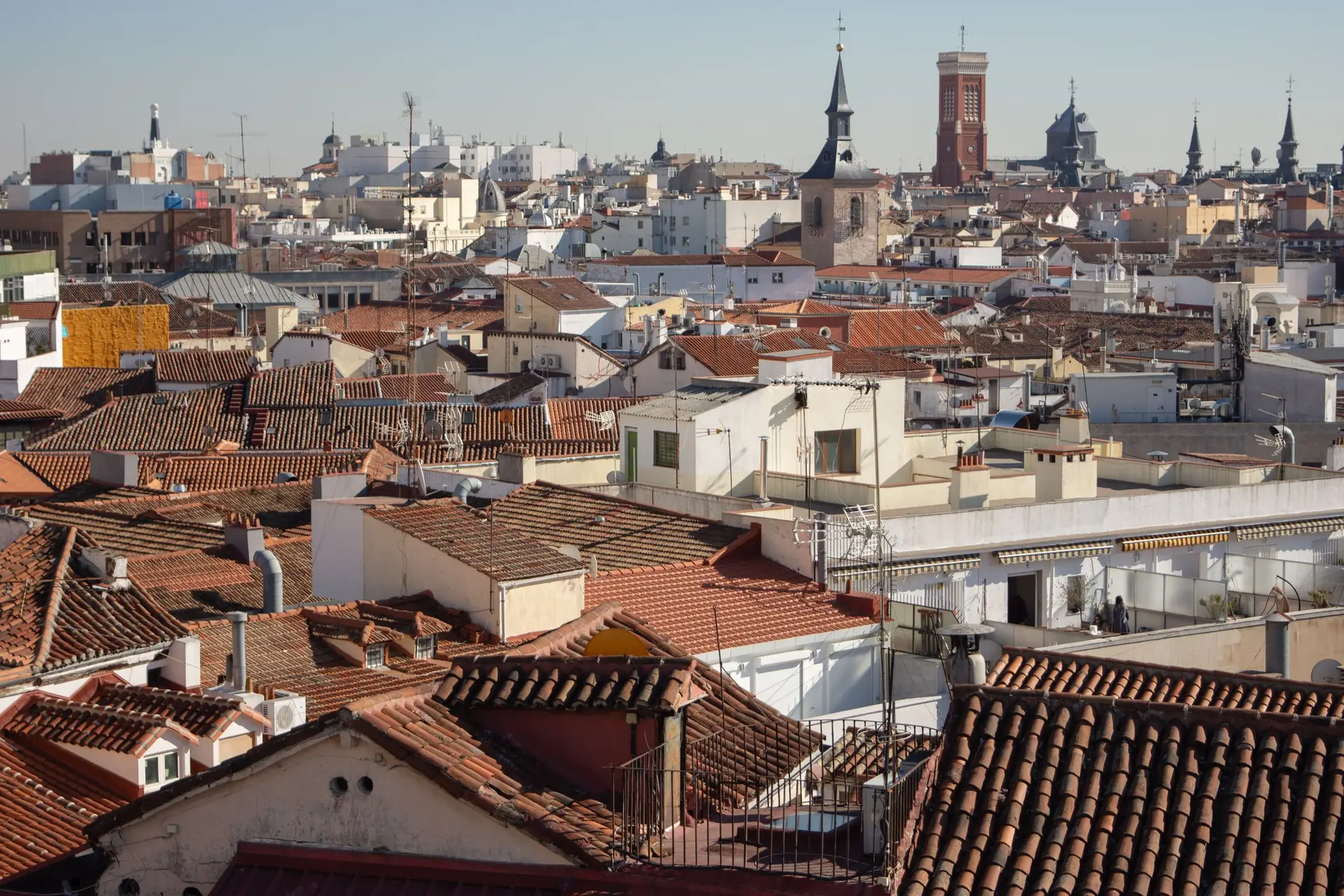
Lavapiés-Embajadores covers the official Embajadores barrio of the Centro district, south of the Plaza Mayor and Sol, between Atocha and La Latina. It is one of Madrid's oldest and most diverse neighbourhoods, where traditional taverns and 19th century tenement houses sit beside art centres, international grocers and busy terraces. People choose it for its central location, its strong sense of community and its cultural life, with the Museo Reina Sofía on its doorstep. It suits those who enjoy lively streets, independent shops and an authentic, creative atmosphere in the heart of the city.
History and architectural character of Lavapiés-Embajadores
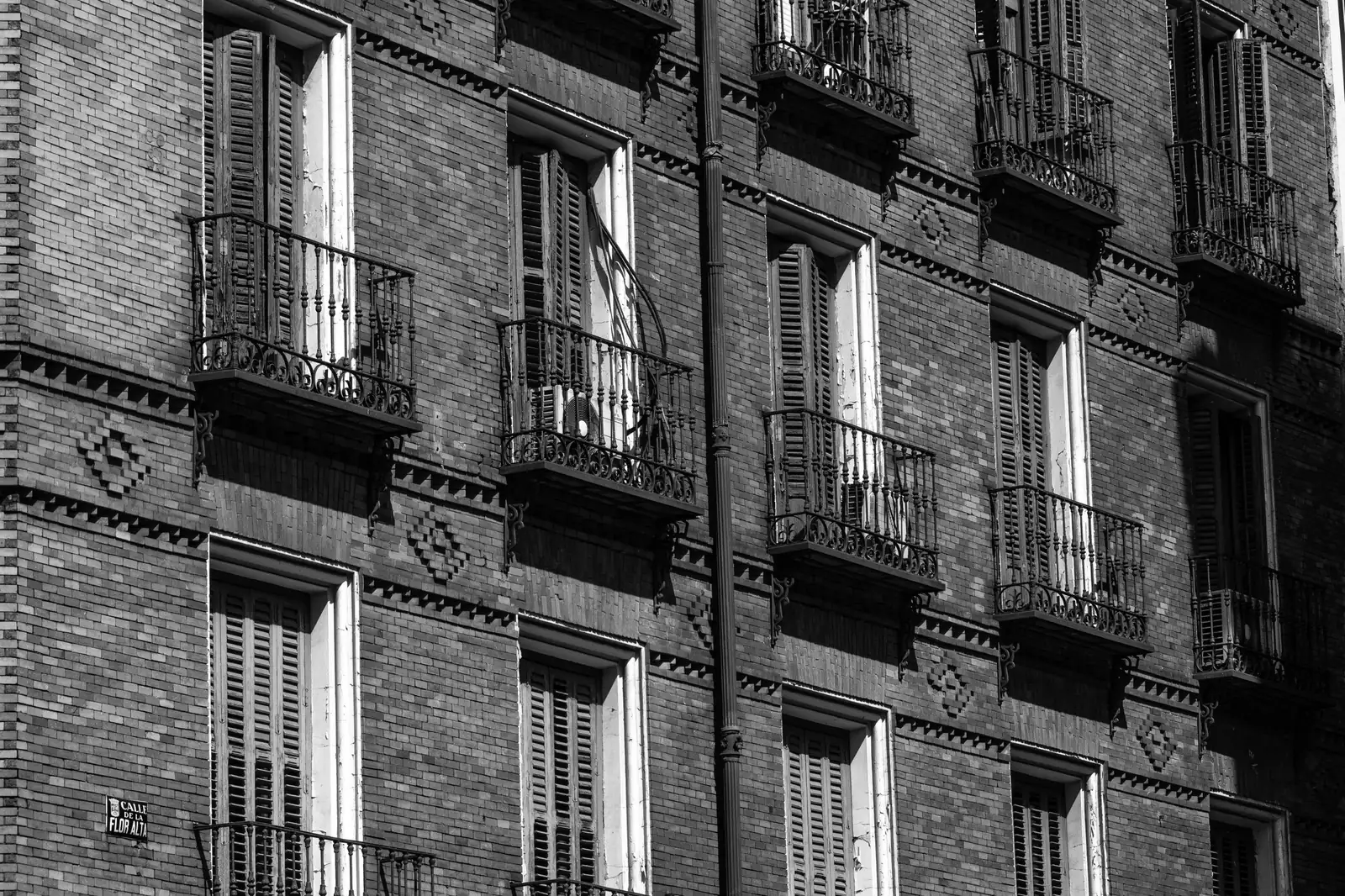
According to tradition, the Embajadores barrio takes its name from the foreign ambassadors who stayed here in the 15th century to escape an epidemic in the city. From the 18th century the area grew as a working class quarter of artisans and factory workers. Many families lived in corralas, tenement houses with wooden galleries around a central courtyard. The Corrala de Tribulete, on the corner of the Calle Mesón de Paredes, was declared a national monument in 1977. On the Calle Tribulete, the ruins of the 18th century church of the Escuelas Pías now house a university library.
Daily life in Lavapiés-Embajadores
Shopping and local services
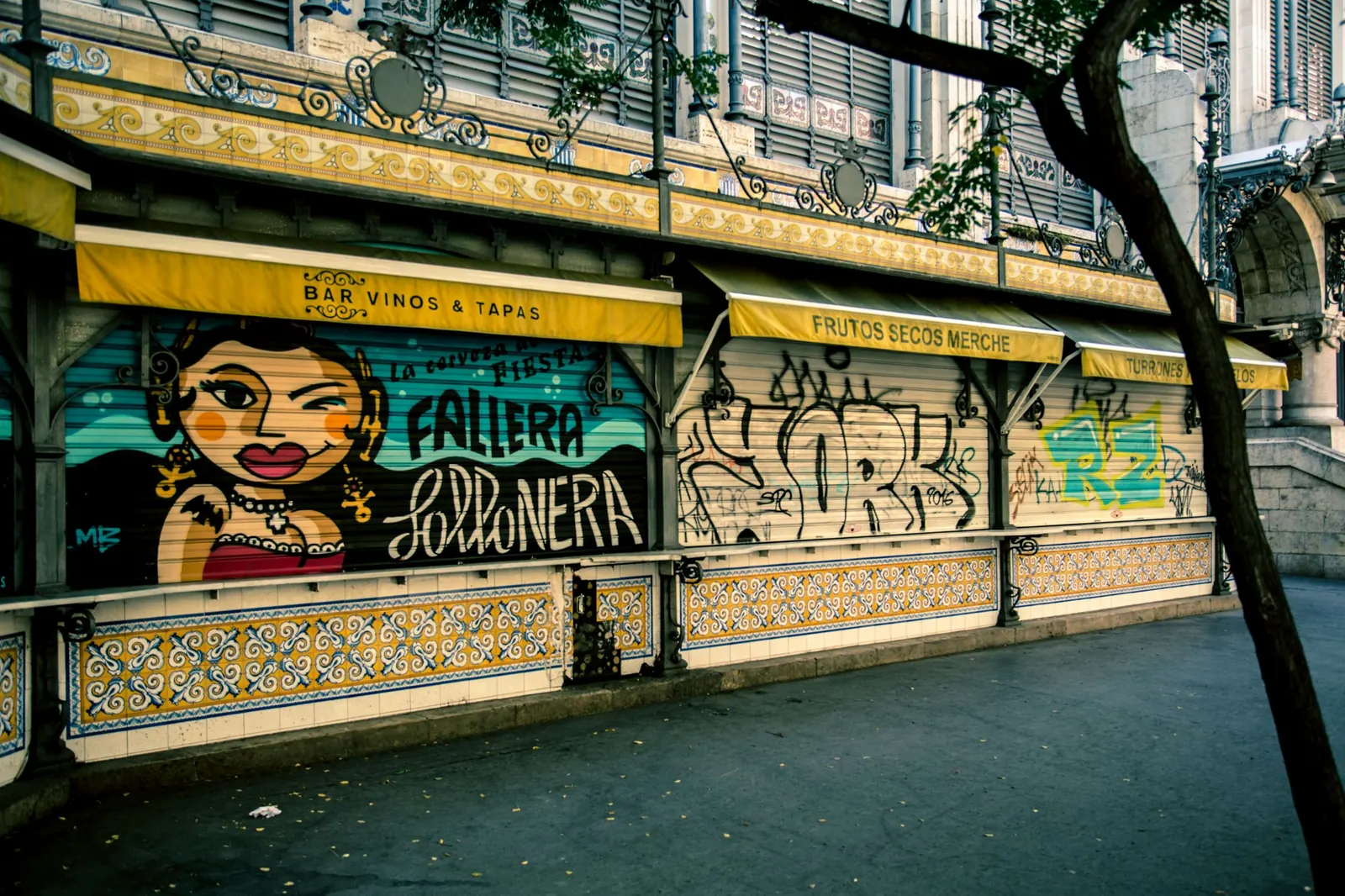
Fresh food is easy to find. The Mercado de San Fernando, on the Calle Embajadores, combines traditional stalls for meat, fish, fruit and vegetables with bars and food counters, and the Mercado de Antón Martín, on the Calle Santa Isabel, is just north. Every Sunday and public holiday, El Rastro, Madrid's famous open air flea market, spreads from the Plaza de Cascorro down the Ribera de Curtidores, where the Nuevas Galerías gather antique dealers. The Calle Mesón de Paredes and the Calle Lavapiés are lined with grocers, bakeries and shops selling produce from around the world.
Education and family life
Families can choose the public CEIP Emilia Pardo Bazán, a primary school on the Calle del Ventorrillo, near the Rastro. For secondary education, the IES Cervantes, on the Calle Embajadores, is one of the city's historic public high schools. Higher education is also present: the UNED, Spain's national distance learning university, runs a study centre and library in the former Escuelas Pías on the Calle Tribulete. Several other public and private schools are located in the Centro district, and international schools in other parts of Madrid are reachable by metro, bus or car from the neighbourhood.
Health and medical services
Primary care is provided by the public health system of the Comunidad de Madrid. The Centro de Salud Lavapiés, at number 41 Calle Embajadores, is the local health centre, where residents register with a family doctor once they have a health card. The Centro de Salud Embajadores is just south of the barrio on the Calle Cardenal Solís. For urgent care, the emergency number 112 works across Spain, and large public hospitals are a short metro or taxi ride away. Pharmacies are found on most main streets, and many foreign residents also take out private health insurance.
Transportation and connectivity
The neighbourhood is very well connected. Lavapiés and Embajadores stations are on metro line 3, which runs north to Sol and Plaza de España, while Tirso de Molina and Antón Martín are on line 1 and La Latina, on the western edge, is on line 5. Just south of the barrio, Embajadores has a Cercanías commuter train station, and Atocha, a short walk east, offers Cercanías trains, high speed rail and long distance services. EMT buses cross the area in every direction, and BiciMAD electric bikes are available at many stations around the neighbourhood.
Leisure, culture, and social life
Parks and green spaces
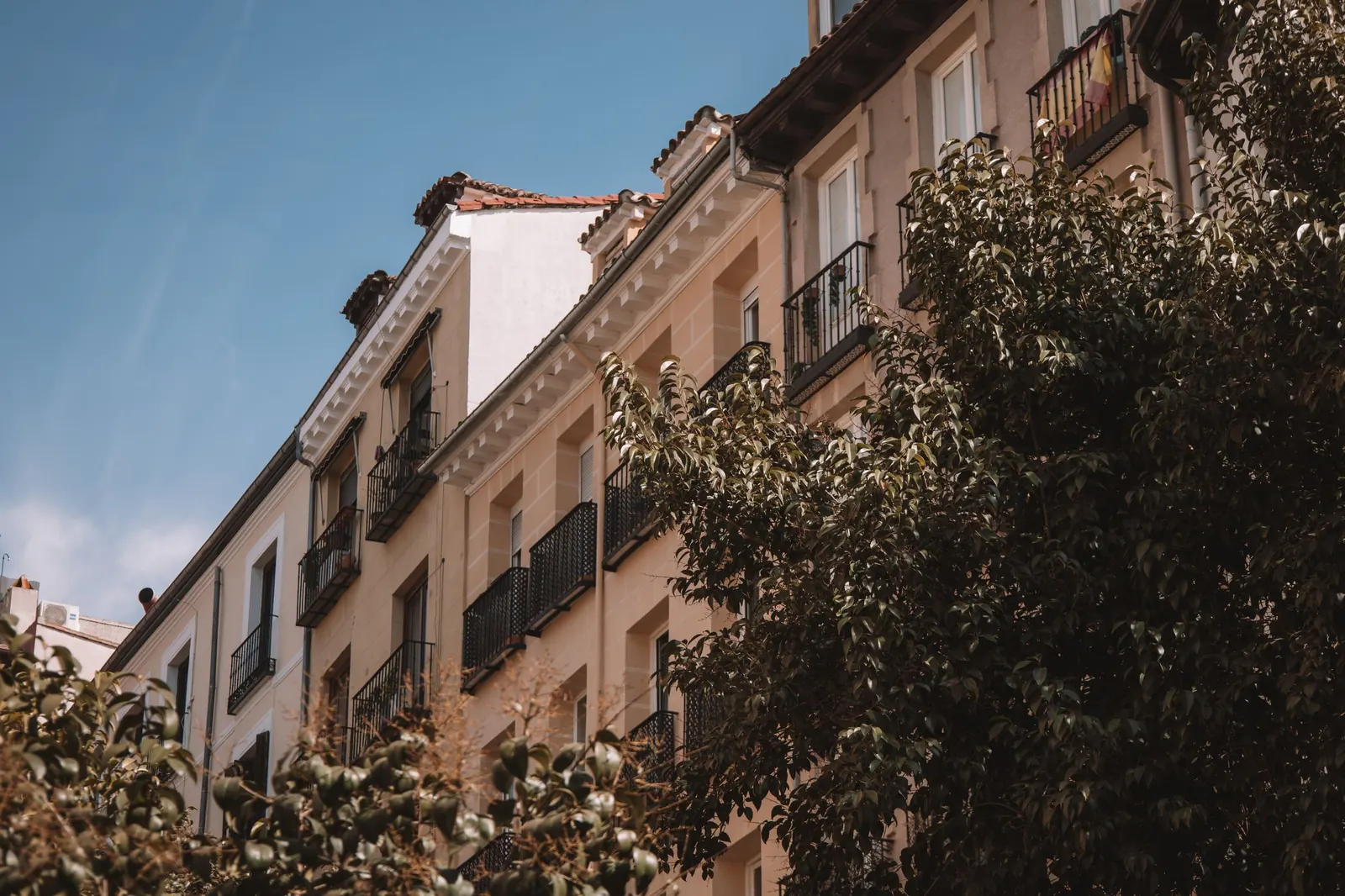
The Parque del Casino de la Reina, off the Calle Embajadores, occupies the former gardens of an estate that the city of Madrid gave to Queen Isabel of Braganza, wife of Fernando VII, in 1817. Today it is a public park with lawns, trees and play areas used by neighbours of all ages. The Plaza de Lavapiés and the Plaza de Nelson Mandela are lively meeting points shaded by trees. The Real Jardín Botánico and the Retiro park are a walk away beyond Atocha, and the Madrid Río riverside park can be reached in about twenty minutes on foot.
Restaurants, cafés, and nightlife
Lavapiés is one of Madrid's most exciting places to eat. The Taberna Antonio Sánchez, on the Calle Mesón de Paredes, is often described as the oldest tavern in Madrid, with records going back to 1787. The Calle de Argumosa is famous for its terraces, ideal for a vermouth or a caña in the sun. On the Calle Lavapiés, Indian, Bangladeshi and Senegalese restaurants reflect the neighbourhood's international community. The bars of the Mercado de San Fernando are popular at weekends, and the streets around the Plaza de Cascorro fill up after the Sunday Rastro.
Culture and local events
Few Madrid neighbourhoods have so much culture within walking distance. The Museo Nacional Centro de Arte Reina Sofía, on the Calle Santa Isabel, displays Picasso's Guernica. La Casa Encendida, on the Ronda de Valencia, programmes exhibitions, concerts and workshops, and the Teatro Valle-Inclán, on the Plaza de Lavapiés, is a venue of Spain's Centro Dramático Nacional. The Cine Doré houses the Filmoteca Española. Every August, the festivities of San Cayetano around the Rastro and San Lorenzo in Lavapiés fill the streets with music, processions, shawls and traditional chotis dancing until late at night.
Ready to make this neighborhood home? Explore our fully furnished apartments, designed for living, not just staying, and move in with nothing but your suitcase.

Unique and varied interior designs to match your style
Our friendly team is here to help. And if you prefer write us to hello@ukio.com
MESSAGE US ON WHATSAPP
LET US KNOW YOUR PREFERENCES