Madrid
Understanding life in Palacio
Why people choose to live here
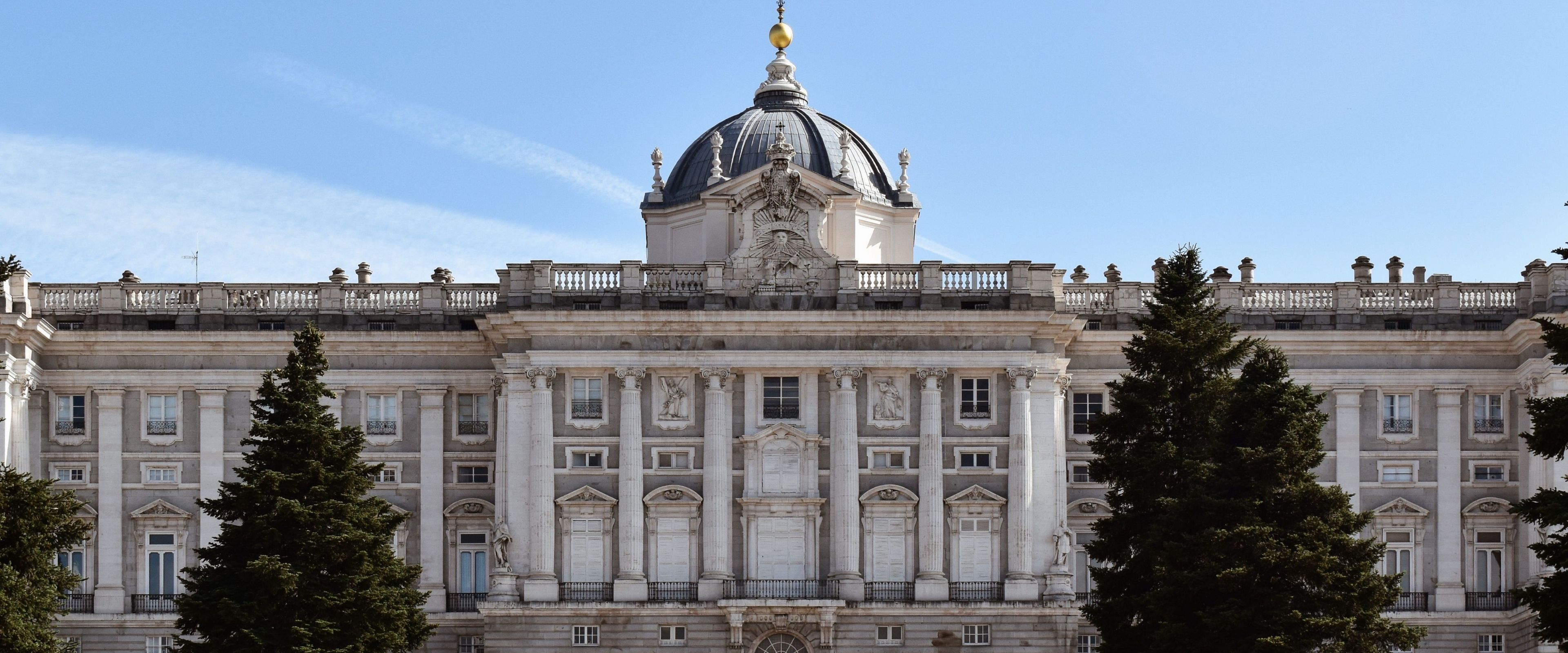
Palacio sits at the western edge of Madrid's Centro district, wrapped around the Royal Palace and the Teatro Real. You get the density of the historic core, yet quieter, more residential streets than neighbouring Sol. Days feel grand but grounded: opera crowds, locals walking dogs across Plaza de Oriente, cafés that have served the same regulars for generations. The barrio draws established professionals, older Madrileños with long family roots here, and internationals who want to live inside the city's monumental centre while keeping a calm, walkable everyday routine.
History and Architectural Character of Palacio
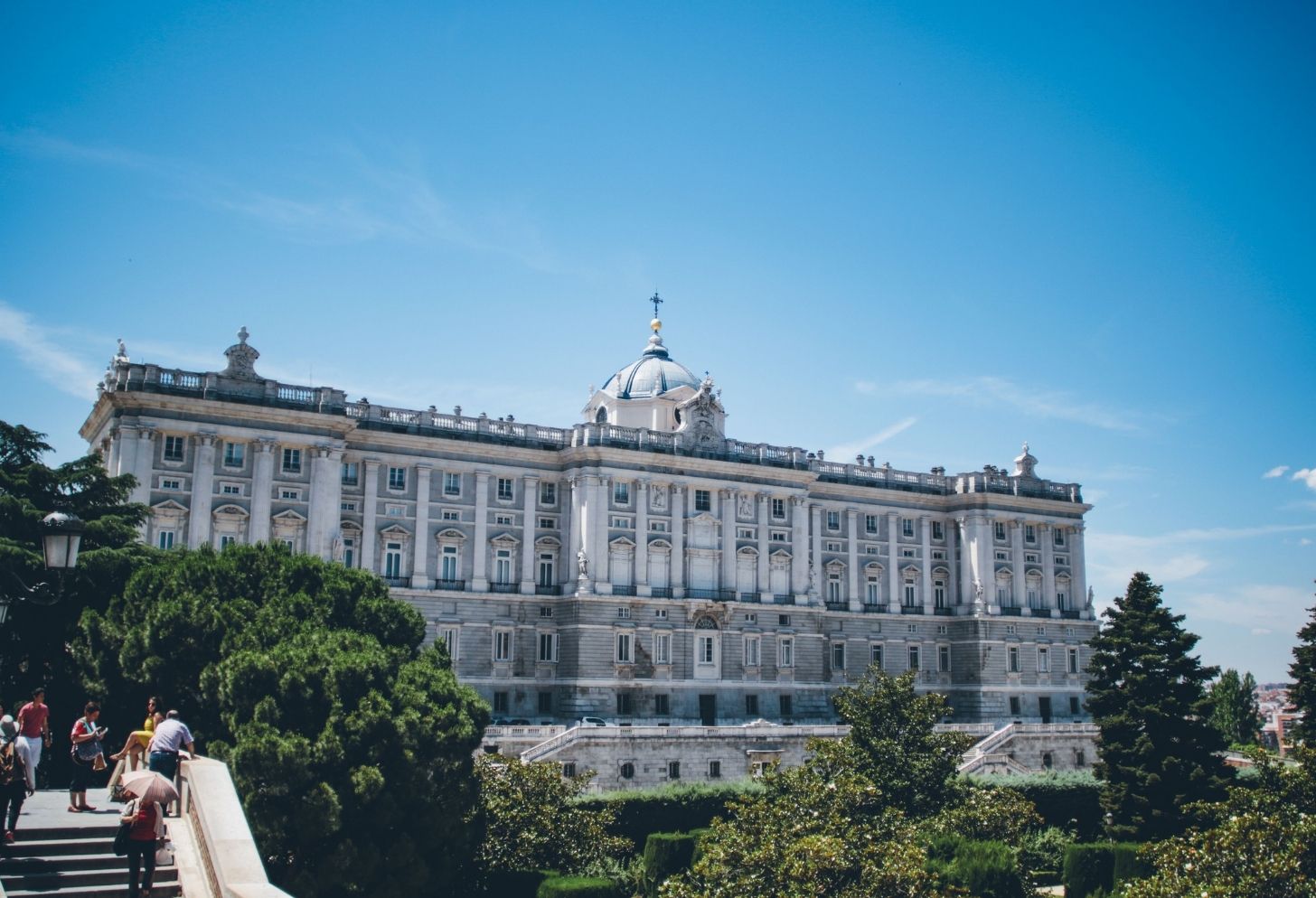
This is part of "Madrid de los Austrias," the oldest layer of the city, where the Habsburg court settled in the sixteenth century. The neighbourhood grew around the old Alcázar, replaced by the Bourbon Royal Palace after a 1734 fire. You notice that grandeur in the streets. Broad ceremonial spaces such as Plaza de Oriente sit beside narrow medieval lanes near Calle Mayor. Buildings mix stone-faced palatial facades, nineteenth-century apartment blocks, and the neoclassical lines of the Almudena Cathedral. Landmarks like the Monasterio de la Encarnación anchor the barrio's regal identity.
Daily Life in Palacio
Shopping and Local Services
For everyday needs, you rely on the small shops threaded through Calle del Arenal, Calle Mayor, and the streets around Ópera. The Mercado de los Mostenses, near Plaza de España, covers fresh produce, meat, fish, and a wide range of Latin American and Asian ingredients. Neighbourhood bakeries, family-run grocers, and pharmacies sit within a few minutes' walk of most homes. Larger supermarkets are tucked into side streets rather than sprawling retail parks, which keeps daily errands close and walkable rather than car-dependent.
Education and Family Life
Palacio is compact and central, so households here tend to be smaller or made up of people who value walking to everything. You find public primary schools within Centro, alongside nurseries and a handful of private and bilingual options a short ride away. Plaza de Oriente and the Sabatini Gardens give children open, traffic-free space, and the Campo del Moro offers room to run. The barrio suits parents who prioritise culture, museums, and green squares on their doorstep over large suburban schoolyards, and who plan medium to long stays.
Health and Medical Services
Public healthcare runs through Madrid's regional system, with local health centres (centros de salud) in Centro handling routine appointments and family medicine. Pharmacies are frequent across the barrio, and several open late or on rotating night shifts. For specialist and emergency care, the Hospital Clínico San Carlos in nearby Moncloa is the closest major public hospital, a short metro or taxi ride west. Most residents manage prescriptions and minor issues locally, reserving the larger hospitals for anything more serious. Private clinics are also available across the surrounding central districts.
Transportation and Connectivity
Palacio is one of the best-connected corners of Madrid. Around four metro stations serve the barrio: Ópera (lines 2 and 5, plus the Ramal branch to Príncipe Pío), Santo Domingo (line 2), Plaza de España (lines 3 and 10), and Príncipe Pío (lines 6 and 10, with Cercanías commuter trains). Frequent buses run along Bailén and Mayor. Most of the centre is walkable, and Sol or Gran Vía are minutes away on foot. Street parking is scarce and largely regulated, so many residents skip a car entirely.
Leisure, Culture, and Social Life
Parks and Green Spaces
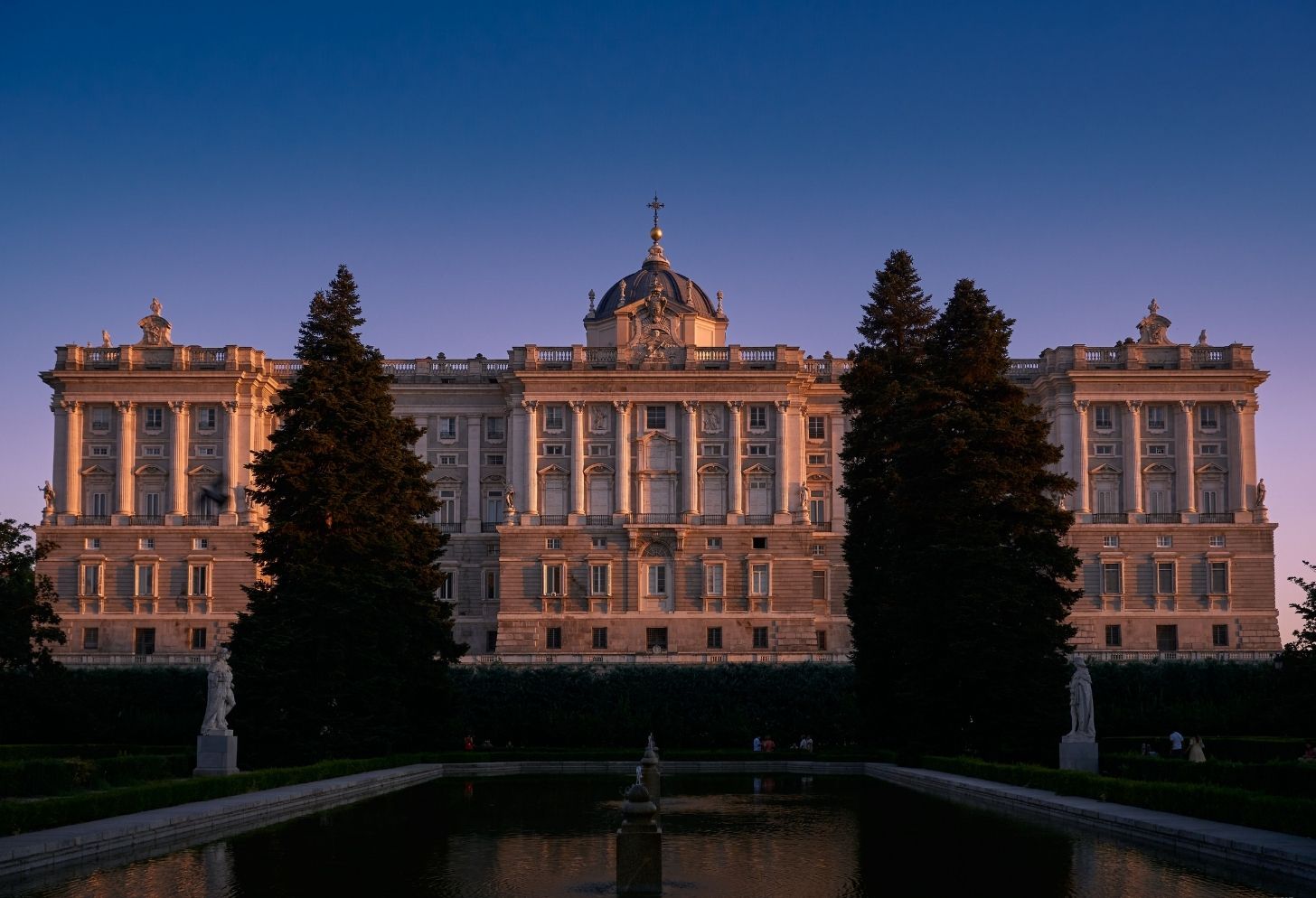
Green space here feels palatial. The Campo del Moro, the royal gardens sloping down toward the Manzanares, is the barrio's largest, with lawns and shaded paths for slow afternoons. The Sabatini Gardens, formal and symmetrical, sit on the palace's north side. Plaza de Oriente works as an everyday square where you can sit among hedged parterres and statues of Spanish monarchs. Just north, the Parque de la Montaña frames the Templo de Debod, a favourite spot for sunset walks. These are places for daily strolls rather than long hikes.
Restaurants, Cafés, and Nightlife
Evenings in Palacio are lively but rarely rowdy, with a tone that leans classic and relaxed. You find century-old taverns and grand cafés rather than club strips. Reliable stops include Café de Oriente on Plaza de Oriente, La Bola for traditional cocido madrileño, El Anciano Rey de los Vinos near the Almudena Cathedral, Taberna del Alabardero by the Teatro Real, and Casa Ciriaco on Calle Mayor. Streets stay well lit and busy around the opera house, and the area feels safe to walk after dark.
Culture and Local Events
Culture in Palacio centres on the Teatro Real, Madrid's principal opera house, which programs opera, ballet, and concerts throughout the season. The Royal Palace itself hosts exhibitions, guided visits, and occasional open-air events in its courtyards and gardens. Cinemas and theatres cluster nearby around Plaza de España and Gran Vía. Each May, the city's San Isidro festivities bring processions, music, and street celebrations to the historic centre, with the palace and Plaza de Oriente often at the heart of them. You can check the Ayuntamiento de Madrid agenda for current listings.
Ready to make this neighborhood home? Explore our fully furnished apartments, designed for living, not just staying, and move in with nothing but your suitcase.

Unique and varied interior designs to match your style
Our friendly team is here to help. And if you prefer write us to hello@ukio.com
MESSAGE US ON WHATSAPP
LET US KNOW YOUR PREFERENCES